Tinder Partners With World for Iris-Scanning Verification
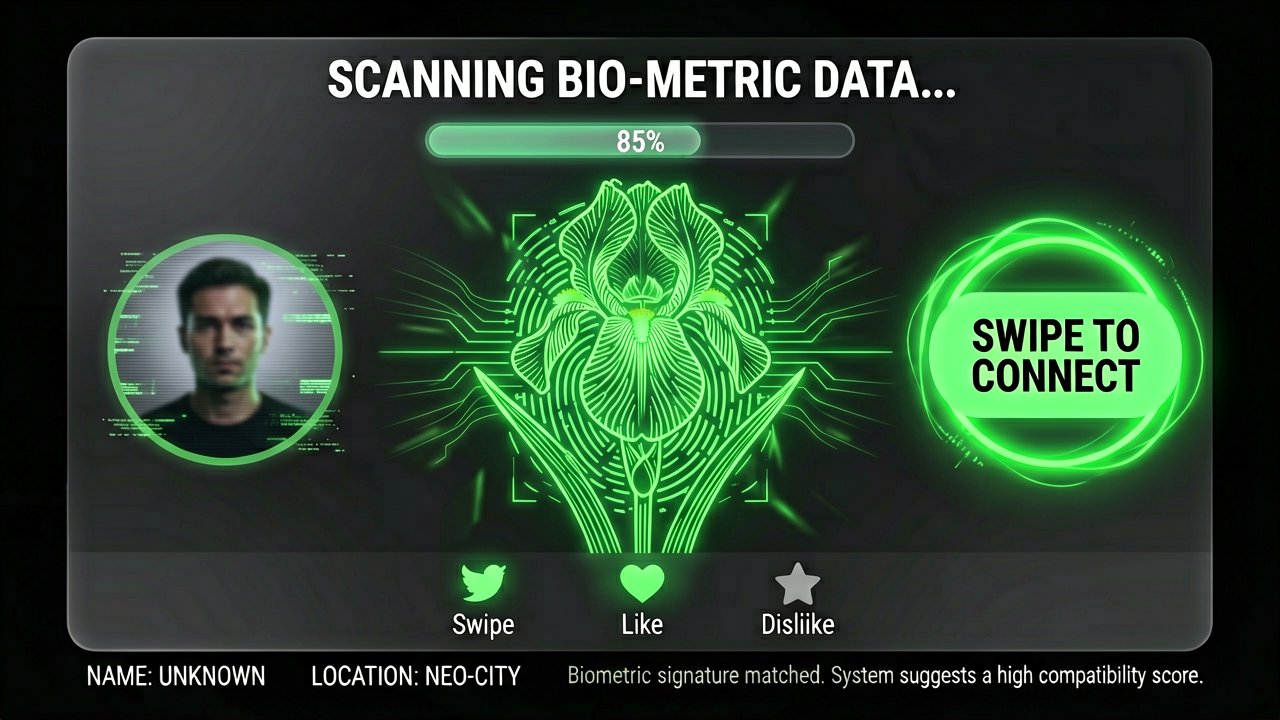
Romance scams have metastasized into a billion-dollar industry, and Tinder is deploying biometric countermeasures that feel more like science fiction than dating app features. The platform now partners with World—the biometric verification company co-founded by Sam Altman—to offer optional iris scans that grant users authentication badges. This creates a digital shield against AI imposters, essentially functioning as a blue checkmark for your actual humanity.
The verification process requires users to scan their irises through World's app or specialized scanning devices called Orbs. Your name, address, and other identifying details never enter the system—just cryptographic proof that you're flesh and blood, not silicon and algorithms. Verified users display their authentication badges prominently on their profiles, signaling to potential matches that they've cleared the authenticity hurdle. (It's worth noting you're literally scanning your eyeball to prove you're not a bot.)
According to reporting from BBC News, the integration was revealed during a live event in San Francisco where Altman presented a deepfake montage of famous journalists and former President Ronald Reagan discussing the need to identify humans online. The technology generates an anonymous World ID stored locally on your smartphone, creating a unique identification code that confirms you're human without collecting personal data.
The AI dating apocalypse is already here. Deepfake photos and sophisticated chatbots have turned swiping into a minefield of manufactured romance. Advanced deepfake technology now creates convincing fake photos, while chatbots mimic human conversation patterns to extract money or personal information from unsuspecting users. Dating platforms are scrambling to implement countermeasures as these AI-powered scams become increasingly sophisticated and harder to detect.
One user, Victoria Brooks, documented her experience on a personal blog last year, estimating that 30% of Tinder profiles she encountered were "AI-enhanced, emotionally manipulative, algorithmically-optimised romance scammers." Such bot accounts use not only fake profile photos but AI-generated scripts to chat with real users. The Federal Trade Commission reported that romance scams saw people in the US lose more than $1bn last year alone.
World, formerly known as Worldcoin and then World Network, represents a broader "proof of humanity" trend gaining traction across digital platforms. The company has partnerships with major companies including Match Group, which operates Tinder, to combat AI-generated content and fraud. The irony isn't lost—OpenAI's CEO helps create the AI that necessitates proving you're not AI.
Yoel Roth, who leads trust and safety at Match Group, said that "partnering with World ID is a natural next step" for the platform to help users "know the person on the other end is real." Late last year, Tinder began requiring all users to submit a video selfie to confirm they were real people. The integration with World ID will be an additional way people can be verified on the app if they choose to do so.
Zoom has also partnered with World for similar verification, though the video conferencing platform faces different threats. In 2024, a worker in Hong Kong was convinced by video deepfakes of his company's chief financial officer and several other co-workers to hand over $25m. Research from Deloitte said financial fraud conducted through such deepfake scams could reach $40bn by 2027 in the US alone.
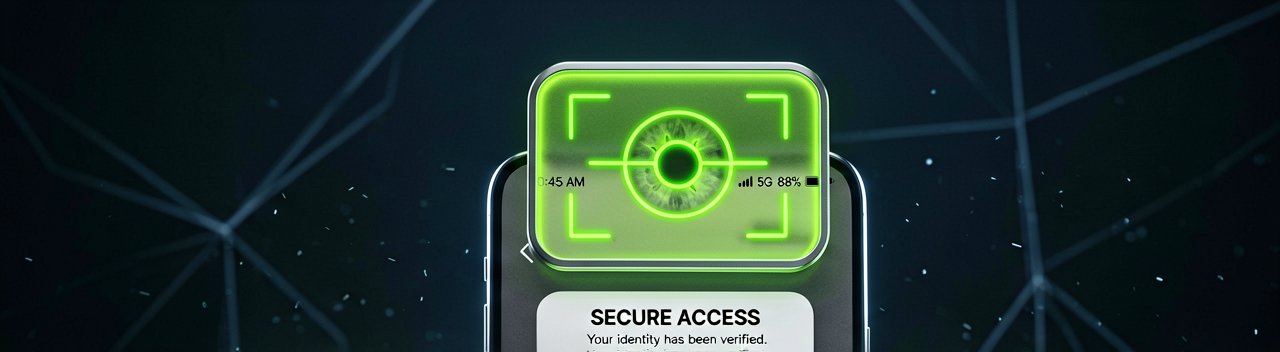
The physical experience of verification involves holding your smartphone close to your eye or visiting a scanning location with an Orb device. The scan captures the colored portion of your eye—the iris—which World uses because it's the most unique part of a person, even more distinctive than fingerprints. The process is designed to be quick, but it requires users to physically interact with biometric hardware in ways that feel invasive to privacy-conscious individuals.
World uses the iris for ID confirmation because it's the most unique part of a person, even more distinctive than fingerprints. The company has changed its name three times since launching to the public in 2022, when it was called Worldcoin and launched a cryptocurrency under the same name. In 2024, it became World Network, then last year it was shortened to World.
Privacy concerns remain significant. While World claims the anonymous approach makes verification palatable, the concept of collecting iris scans from millions of users raises questions about data security and potential misuse. The system creates encrypted identity verification without collecting personal data, but the biometric information itself is inherently sensitive. (Collecting iris scans from millions of people is a massive data security challenge, regardless of encryption claims.)
Altman said there will soon be "more stuff made by AI than is made by humans" online. "I'm not afraid for the future as long as we can tell between the two," he added during the San Francisco event. This statement underscores the broader motivation behind the technology—establishing digital identity standards as AI-generated content floods the internet.
According to Gadget Review, the technology represents a shift in how dating platforms approach authenticity. The app now partners with World to offer optional eye scans that grant users verification badges, designed to separate real people from sophisticated bots. This creates a tiered system where verified users stand out in a sea of potentially fraudulent profiles.
The verification system addresses the surge in AI-generated profiles that plague modern dating. Dating platforms are scrambling to implement countermeasures as these AI-powered scams become increasingly sophisticated and harder to detect. The question becomes whether users will actually adopt this technology or view it as another barrier to entry.
Whether users actually pay for it remains the real question. The technology works, but adoption depends on whether people trust a company co-founded by the CEO of the world's leading AI developer to protect their biometric data. Privacy-conscious users may hesitate at biometric data collection, even with anonymous approaches. The anonymous approach could make verification palatable enough to become the new standard for authentic online connections, but only if users believe the promises.
Your dating app experience might soon depend on whether you're willing to scan your iris for love. The technology creates a new friction point in the dating process—another step between swiping and connecting. Whether this friction reduces scams or just reduces user engagement remains to be seen. The biometric verification creates a digital shield, but shields can also feel like walls.
Artūras Malašauskas is an AI Systems Integrator with 20+ years of production-grade web engineering experience. He has designed, shipped, and scaled enterprise Python/PHP systems for logistics, SaaS, and public-sector clients. For the past year, he has focused exclusively on AI integrations: deploying open-source LLMs, building generative media pipelines (image, audio, video), and engineering multi-agent workflows for real production environments. His standard: reproducibility, security, cost-efficient inference—no vaporware. He documents and evaluates emerging AI tooling, separating verified capabilities from marketing noise. Technical editor at: muza-ai.eu, ai-verslas.lt, ai-naujinos.lt Connect on LinkedIn
Comments