Smart Fitness Gadgets Are Replacing Gyms for Busy Professionals
The fitness landscape is undergoing a quiet transformation. The Eastleigh Voice recently documented how smart gadgets are replacing the gym for people with busy lifestyles, capturing a shift that's been building for years but accelerating in 2026. For individuals juggling work, school, and personal commitments, these devices offer a practical way to stay accountable without dedicating hours to the gym.
Time is increasingly scarce. Convenience is king. A new wave of smart fitness gadgets is transforming how people stay active, without ever setting foot in a traditional gym.
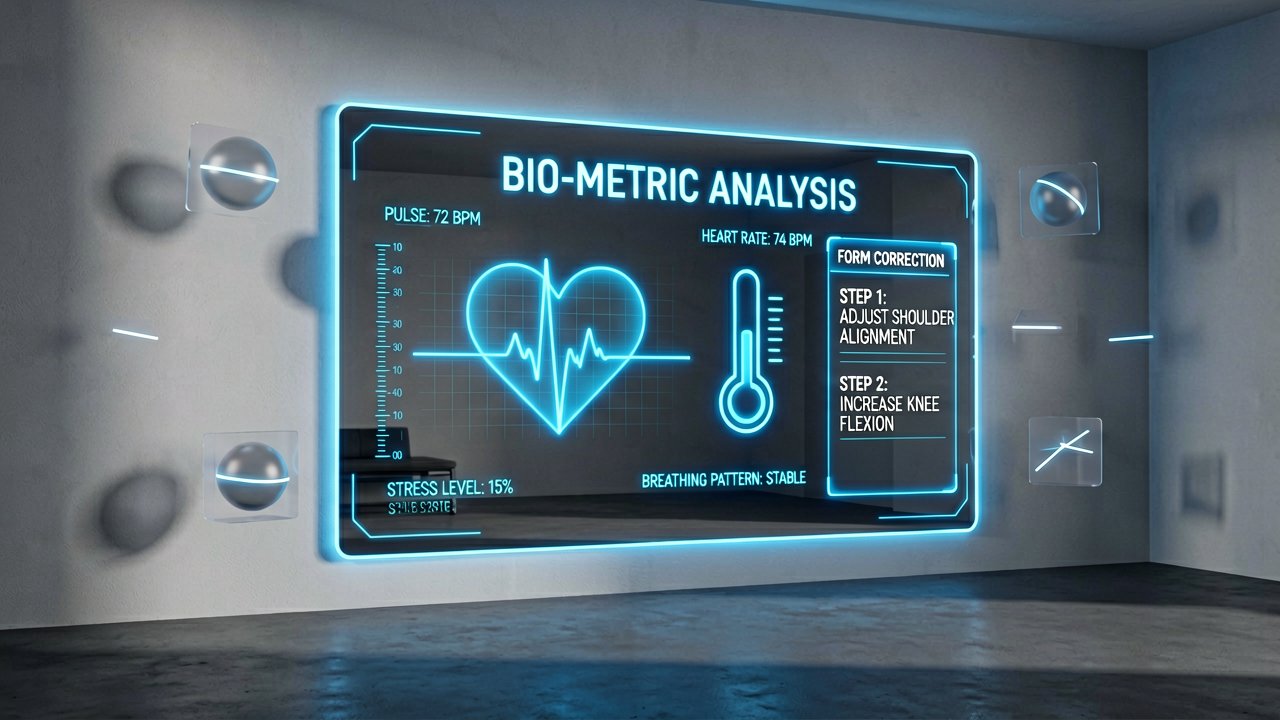
The core appeal is straightforward: compact, efficient alternatives to bulky gym equipment. Devices such as smart resistance systems and connected workout mirrors combine hardware with real-time digital coaching. These gadgets use sensors, cameras, and artificial intelligence to track movements, correct form, and personalise workouts—functions once limited to in-person trainers.
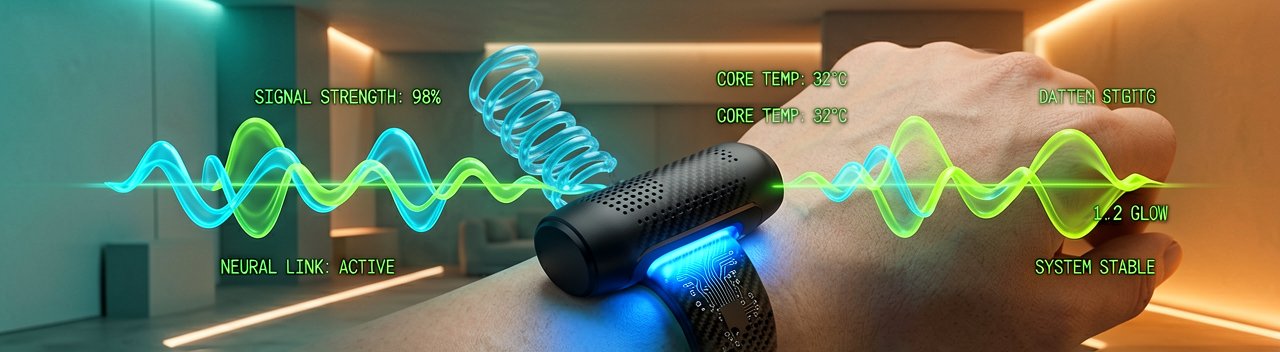
Wearable technology continues to play a central role in this shift. Smartwatches and fitness trackers now go beyond counting steps; they monitor heart rate, sleep quality, oxygen levels, and even stress. Many models provide guided workouts and adaptive fitness plans based on user data. The physical experience matters here: you're not staring at a blank wall while lifting. You're getting haptic feedback when your form drifts, voice prompts when your heart rate spikes too high, and visual cues that adjust in real time.
Artificial intelligence is arguably the most transformative element in modern fitness tech. Smart systems can analyse user performance over time and adjust workout intensity automatically. This personalisation ensures efficiency; users get maximum results in minimal time, which is particularly appealing for those with tight schedules. (Let's be honest: nobody wants to spend forty-five minutes on a treadmill when twenty minutes of targeted work does the job.)
Voice-guided workouts and app-based coaching further reduce the need for physical trainers, making expert guidance more accessible and affordable. The friction of booking sessions, commuting, and waiting for equipment disappears. You put on your shoes, tap a screen, and start.
Another emerging trend is the gamification of exercise. Virtual reality (VR) and interactive fitness platforms turn workouts into engaging experiences, from cycling through digital landscapes to competing in virtual sports. These immersive options are especially popular among younger users who seek motivation beyond traditional routines. By making exercise enjoyable, they help users stay consistent—often the biggest challenge in fitness.
Space-saving and multi-functional design rounds out the package. Modern smart fitness gadgets are designed with urban living in mind. Foldable treadmills, walking pads, all-in-one strength systems, and wall-mounted workout stations minimize space usage while maximising functionality. This makes them ideal for apartment dwellers or anyone without access to a dedicated workout area.

Independent testing from Garage Gym Reviews corroborates the market shift. The publication has tested nearly three dozen models of smart exercise equipment, from treadmills and bikes to rowing machines. Their methodology evaluates footprint, durability, smart features, and dynamic programming. Top-rated systems include the Tonal 2 Smart Home Gym, Speediance Gym Monster, and Tempo Move—all designed to fit in average single-family homes or apartments.
The wearable market shows similar consolidation around premium features. Wareable notes that the wearable tech landscape has changed dramatically since the first fitness trackers arrived over a decade ago. In 2026, sensors that monitor heart rate, recovery, and activity are baked into everything from smartwatches to smart rings. The Whoop 5.0, Oura Ring Gen 4, and Fitbit Charge 6 lead their categories, with subscription models locking advanced insights behind monthly fees.
Despite their advantages, smart fitness gadgets are not without drawbacks. High upfront costs can be a barrier. Some users may miss the social aspect of gym environments. Additionally, reliance on technology raises concerns about data privacy and screen fatigue. Experts also caution that while smart systems are helpful, they may not fully replace the benefits of professional supervision, especially for beginners or individuals with medical conditions.
The business model has shifted too. Premium trackers now operate on subscription services. Whoop and Oura both lock their best insights—like readiness scores and deep sleep analysis—behind monthly fees. Brands like Withings and Amazfit do not, unless you want premium features. If you just want to buy a device and always have access to your data, stick with the non-subscription brands.
Accuracy remains a concern during intense exercise. Heart rate accuracy during intervals or weightlifting can be mixed. These devices are great for motivating you to move more, but they're not necessarily high-performance training tools. The numbers provide an overall picture of your health, but they're not clinical-grade diagnostics.
The Eastleigh Voice article highlights a broader cultural shift. Urban congestion, changing work patterns, and a growing emphasis on flexibility have driven demand for home fitness solutions. Smart fitness gadgets now offer compact, efficient alternatives to bulky gym equipment, allowing users to exercise anytime, anywhere. The commute to the gym is eliminated. The locker room wait is gone. The only friction is your own motivation.
Whether users actually pay for it remains the real question. Subscription fatigue is real. Hardware costs are steep. And the novelty of gamified workouts wears off for many people within months. The technology works. The question is whether it works for long enough to justify the investment.
Time will tell if this works is too optimistic. The better question is whether the average person can maintain consistency without the social pressure of a gym environment. The gadgets are here. They're getting better. But human behaviour is stubborn.
Artūras Malašauskas is an AI Systems Integrator with 20+ years of production-grade web engineering experience. He has designed, shipped, and scaled enterprise Python/PHP systems for logistics, SaaS, and public-sector clients. For the past year, he has focused exclusively on AI integrations: deploying open-source LLMs, building generative media pipelines (image, audio, video), and engineering multi-agent workflows for real production environments. His standard: reproducibility, security, cost-efficient inference—no vaporware. He documents and evaluates emerging AI tooling, separating verified capabilities from marketing noise. Technical editor at: muza-ai.eu, ai-verslas.lt, ai-naujinos.lt Connect on LinkedIn
Comments