Samsung Spinoff: Tech Giant Pivots to Humanoids with CEO-Led RX Division
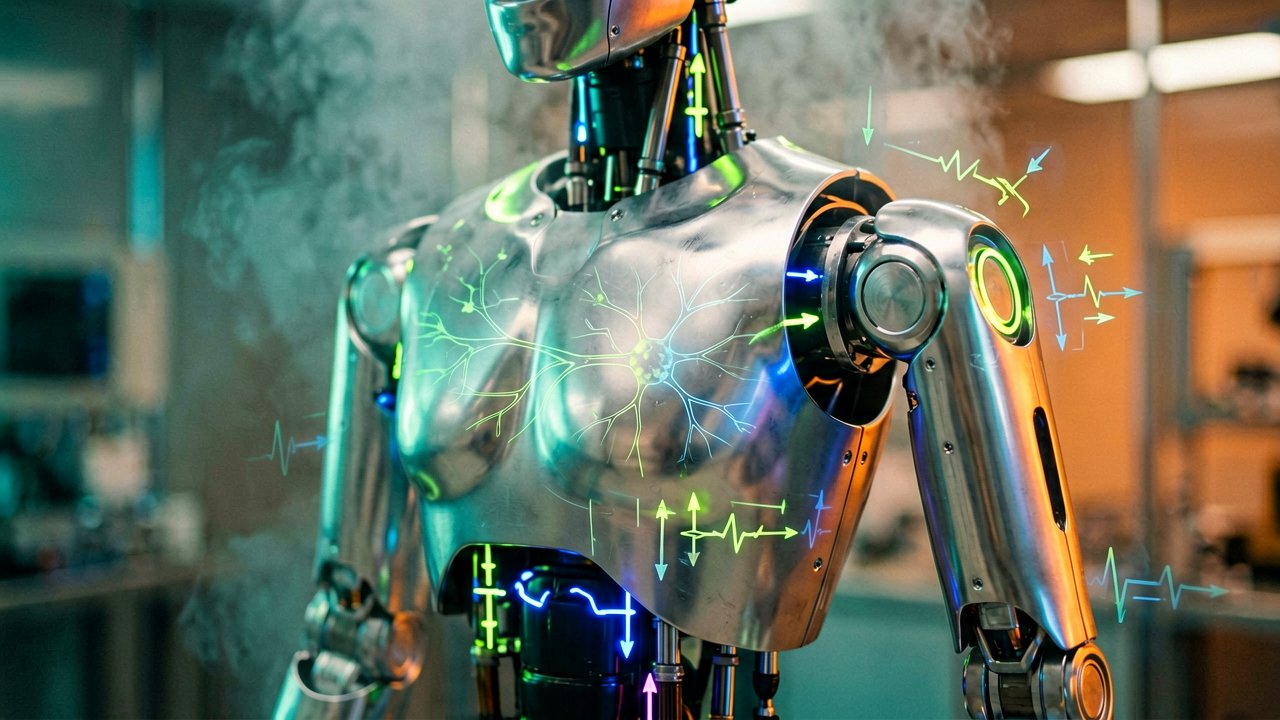
Samsung Electronics isn’t just looking to build smarter phones and sharper televisions anymore; it’s building things that can stand up and walk around the factory floor. On July 21, 2026, the South Korean tech giant executed an aggressive organizational shakeup, bypassing its usual end-of-year reshuffle to announce the immediate launch of the Robotics eXperience (RX) Business Promotion Office. By consolidating its previously scattered research initiatives into a single, high-stakes division, the company is signaling that physical AI is no longer a peripheral science experiment but a core pillar of its future survival.
This isn't a quiet corporate restructuring. The new RX Division reports directly to CEO TM Roh, the chief executive who already helms Samsung’s Device eXperience wing. To make sure this play has teeth, the company went shopping for top-tier industry veterans. They’ve poached Lee Dong-gun, a former executive from Hyundai Motor Group who spent years guiding the strategic trajectory of Boston Dynamics. To handle the notoriously complex mechanics of robotic hands and autonomous coordination, Samsung also recruited prominent engineering professors Kim Hyoun-jin from Seoul National University and Kim Ui-kyum from Ajou University.
A Factory-First Gambit to Fuel Future Growth
While competitors like Tesla and various Silicon Valley startups are rushing to put humanoid helpers straight into suburban living rooms, Samsung's roadmap takes a markedly practical detour. According to reporting from CNBC, the company plans to introduce these humanoid workers to its own semiconductor, mobile, and home appliance production lines by the second half of this year. The immediate goal is simple: use Samsung's vast industrial footprint as a controlled proving ground to gather real-world behavioral data and refine basic dexterity before attempting a broader commercial rollout.
The financial infrastructure backing this blueprint is staggering. Earlier this month, management disclosed a 60 trillion won ($40.7 billion) investment strategy for the Yeongnam region, with 19 trillion won explicitly carved out for a "data factory" and humanoid manufacturing hub in Gumi. This buildout follows an aggressive multi-year stake expansion in Rainbow Robotics, which effectively turned the domestic humanoid pioneer into a consolidated subsidiary. Samsung expects these domestic facilities, paired with upcoming international research hubs across the United States, China, and Japan, to yield "tangible results" in humanoid capability by the end of 2026.
The Pressure Behind the Physical AI Pivot
Industry analysts point out that this sudden urgency stems from intense pressure mounting on Samsung's traditional consumer electronic segments. As detailed by The Korea Herald , while the chip-making business enjoys record earnings, the mobile and home appliance divisions have faced squeezed margins due to rising component costs and aggressive competition from Chinese electronics rivals. Turning toward high-margin industrial automation and physical AI offers the consumer goods department a badly needed breakthrough product category and a fresh jolt of market momentum.
By striving to convert its global manufacturing network into entirely AI-autonomous factories by 2030, Samsung is betting that it can solve its own labor efficiency issues while simultaneously perfecting a commercial product line. The tech ecosystem has reached a consensus that hardware giants already possess the microchips, sensors, and battery ecosystems required to scale robot production. Whether Samsung's hyper-calculated, factory-first methodology will outpace agile competitors who are deploying directly to the public remains the ultimate multibillion-dollar question for the decade.
The Hidden Architecture: How Samsung Plans to Outmaneuver Tesla and Figure
Beyond the Corporate Press Releases: The real battle for humanoid supremacy isn't happening on a stage under theatrical lighting; it is happening inside the gritty, highly controlled environments of semiconductor cleanrooms. While Western rivals like Tesla’s Optimus and Figure AI grab headlines with promises of household butler droids, Samsung’s newly formed RX Division is chasing a far more immediate and lucrative target. By designating its own world-class manufacturing lines as the primary deployment zone, the South Korean conglomerate is bypassing the unpredictable chaos of the consumer market to tackle the most demanding precision-engineering environments on earth.
Moving from a laboratory prototype to a functional industrial worker requires an ocean of telemetry data, which has long been the primary bottleneck for physical artificial intelligence. Industry insiders note that Samsung’s massive internal infrastructure gives it an unfair advantage. Every hour a humanoid spends moving silicon wafers or testing mobile device hinges provides a stream of operational feedback that software engineers can feed back into their foundational models. This closed-loop ecosystem allows the RX Division to stress-test their hardware at scale without risking the public relations nightmare of an unvetted consumer product malfunctioning in a private home.
The aggressive timeline—aiming for tangible assembly-line integration by the end of this year—reflects deep-seated anxieties within the Suwon headquarters regarding demographic collapse. South Korea faces some of the steepest population decline metrics among industrialized nations, creating a ticking clock for industrial workforce availability. Samsung’s stated long-term ambition to convert its global manufacturing hubs into entirely autonomous operations by 2030 is less of a futuristic luxury and more of a hard-nosed defensive strategy to maintain its global supply chain dominance in the face of inevitable domestic labor shortages.
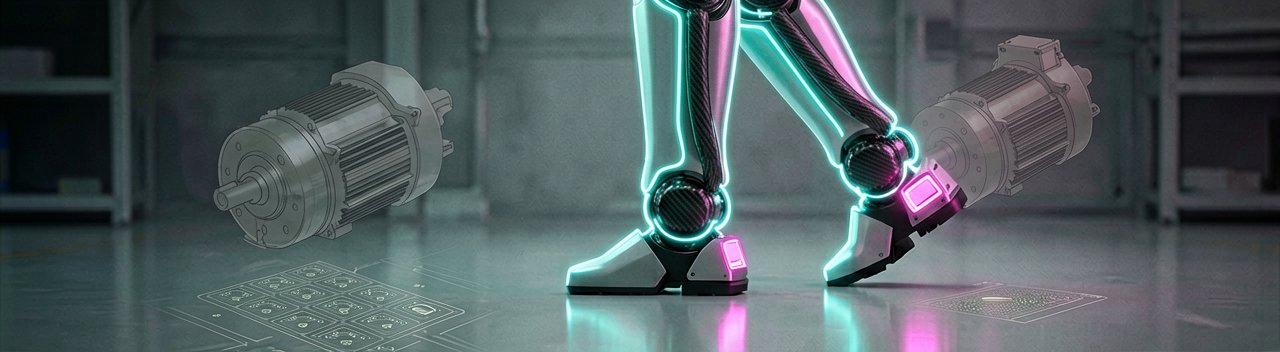
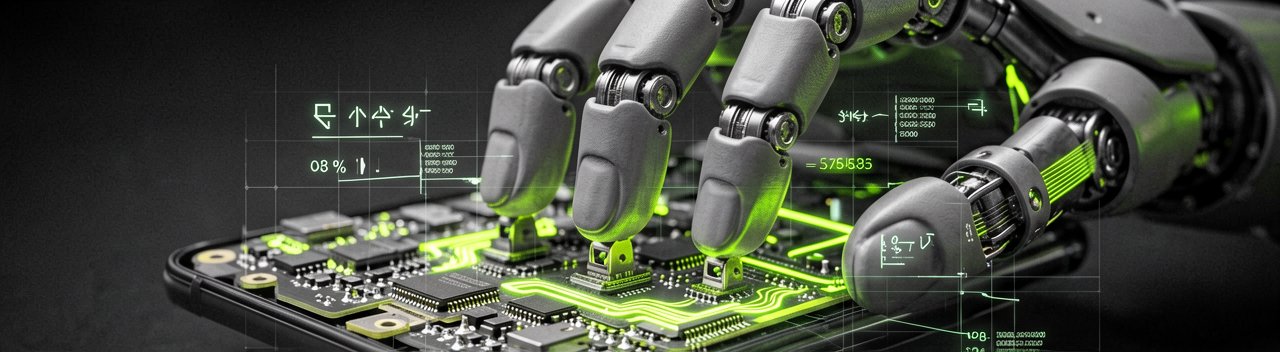
From an architectural standpoint, the heavy reliance on Rainbow Robotics' proprietary bipedal platforms gives the RX Division a mature hardware baseline that saves years of developmental trial and error. Instead of reinventing the wheel, or in this case the ankle joint, Samsung's engineering teams can focus almost exclusively on high-level cognitive orchestration. This involves perfecting the computer vision models that allow a robot to identify misplaced components in real time and refining the multi-finger dexterity required to handle fragile electronics without cracking the glass.
Financially, the pivot to physical AI serves as an elegant hedge against the cyclical volatility of the global memory chip market. While Samsung's semiconductor business routinely prints staggering profits during tech upcycles, the company has historically struggled to find a stable, high-margin consumer product category to offset the inevitable downturns. Building an enterprise-grade robotics division allows Samsung to cross-pollinate its existing portfolio, essentially turning its proprietary Exynos processors, image sensors, and solid-state batteries into the literal brains, eyes, and muscles of a brand-new trillion-dollar industry.
The Execution Gap: Silicon Valley Hype vs. Suwon Reality
Reading Between the Lines: The corporate narrative surrounding the RX Division portrays a frictionless leap from consumer electronics to autonomous androids, but the technical reality is fraught with severe engineering contradictions. Samsung is banking heavily on its manufacturing pedigree to outpace software-first tech companies, yet hardware reliability has never been the actual bottleneck for the robotics industry. The industry already knows how to build precise, durable metallic joints; the missing link is a generalized intelligence capable of navigating unforeseen physical anomalies—an area where Samsung’s traditionally rigid, top-down software culture has historically struggled to out-innovate agile Silicon Valley research labs.
Furthermore, deploying humanoids into highly specialized semiconductor cleanrooms presents a profound architectural paradox. The modern semiconductor fabrication plant is already a marvel of peak automation, completely optimized for hyper-efficient overhead transport systems and specialized robotic arms that move on fixed tracks. Forcing a bipedal, human-shaped robot into these perfectly streamlined environments is arguably a step backward in pure thermodynamic efficiency. It raises the uncomfortable possibility that this sudden humanoid push is partially a high-stakes marketing maneuver designed to assure Wall Street and retail investors that Samsung is not falling behind in the global artificial intelligence arms race.
The financial math behind the immediate rollout also deserves a dose of healthy skepticism. Consolidating Rainbow Robotics and pledging a multi-trillion won investment for a "data factory" sounds impressive on an earnings call, but humanoids remain incredibly expensive to manufacture, maintain, and insure. While a software update can fix a glitch in a smartphone app instantly, a mechanical failure in a forty-kilogram humanoid worker requires physical repair teams, spare parts logistics, and costly factory downtime. If the RX Division cannot bring the per-unit cost down to parity with traditional automated machinery within the next twenty-four months, the financial burden of maintaining these internal test fleets will begin to heavily drag down the profit margins of the broader Device eXperience wing.
There is also the unresolved challenge of international regulatory compliance and labor friction. While Samsung can freely experiment inside its domestic South Korean facilities, exporting these AI-driven workforces to factories in Europe or the United States will trigger intense pushback from local labor unions and strict workplace safety regulators. A five-foot-tall mobile machine operating in close proximity to human workers introduces an entirely new matrix of legal liabilities. If the RX Division spends the next three years trapped in bureaucratic red tape and safety certification bottlenecks overseas, their first-mover advantage in the global market will evaporate before they can ship a single commercial unit.
"Building a robot that can flawlessly assemble a premium smartphone is an extraordinary feat of human engineering; convincing a room full of skeptical factory floor managers that it won't accidentally drop a twenty-thousand-dollar wafer of microchips is the part that will actually require a miracle."
Artūras Malašauskas is an AI Systems Integrator with 20+ years of production-grade web engineering experience. He has designed, shipped, and scaled enterprise Python/PHP systems for logistics, SaaS, and public-sector clients. For the past year, he has focused exclusively on AI integrations: deploying open-source LLMs, building generative media pipelines (image, audio, video), and engineering multi-agent workflows for real production environments. His standard: reproducibility, security, cost-efficient inference—no vaporware. He documents and evaluates emerging AI tooling, separating verified capabilities from marketing noise. Technical editor at: muza-ai.eu, ai-verslas.lt, ai-naujinos.lt Connect on LinkedIn
Comments