Bridging the Machine Gap: Mosta’s MainUSD and the Era of Autonomous AI Settlement
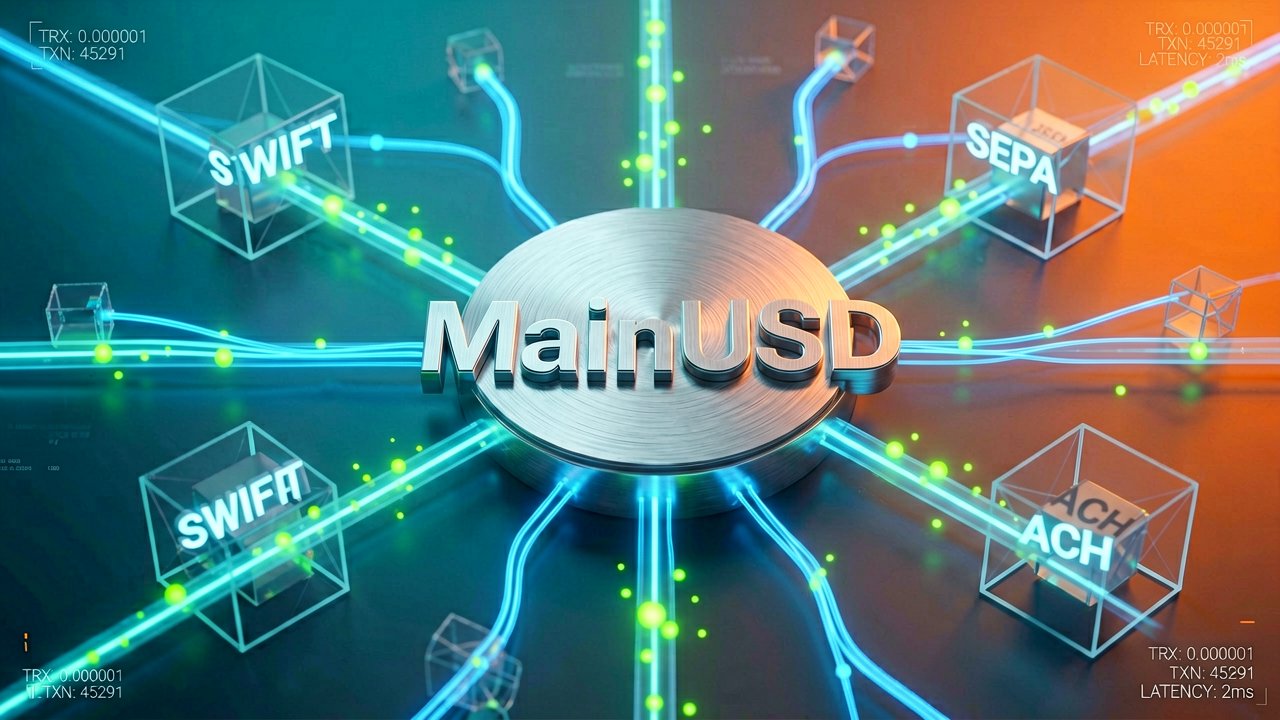
The traditional plumbing of global commerce is facing a structural crisis of speed. While advanced artificial intelligence systems operate in milliseconds, the financial infrastructure supporting international enterprise commerce remains bound to human pacing, trapped within multi-day correspondent banking cycles and rigid settlement windows. To resolve this fundamental friction, the AI-native business banking platform Mosta has officially introduced MainUSD, a native, fiat-backed U.S. dollar stablecoin engineered explicitly as a settlement layer to link autonomous AI agent workflows directly to global cross-border payment rails.
Issued in partnership with the stablecoin orchestration provider Brale, MainUSD acts as the programmatic connective tissue within Mosta’s broader financial operating layer. This structural development shifts the focus of the fintech landscape from human-optimized user interfaces to machine-optimized transactional execution. By enabling software agents to independently manage corporate liabilities, initiate mass payouts, and move capital across traditional and digital networks, the integration signals a critical transition toward a borderless, dual-managed enterprise economy.
The Architecture of Machine-to-Machine Commerce
Legacy payment networks inherently carry structural assumptions that fail when interacting with non-human agents. Traditional cards, wire systems, and compliance frameworks rely heavily on human verification thresholds, business hours, and fixed transaction fees that render micro-transactions economically unviable. MainUSD addresses this by functioning as a unified liquidity pool. Autonomous AI systems can consolidate fragmented digital asset balances into MainUSD, executing near-instant internal swaps down to 0% and routing payouts automatically via SWIFT, SEPA, ACH, or local payment rails depending on systemic constraints. This hybrid approach removes the necessity for expensive prefunding requirements in regional payment corridors, optimizing treasury operations at true machine velocity.
Compliance and Strategic Shifts in Digital Settlement
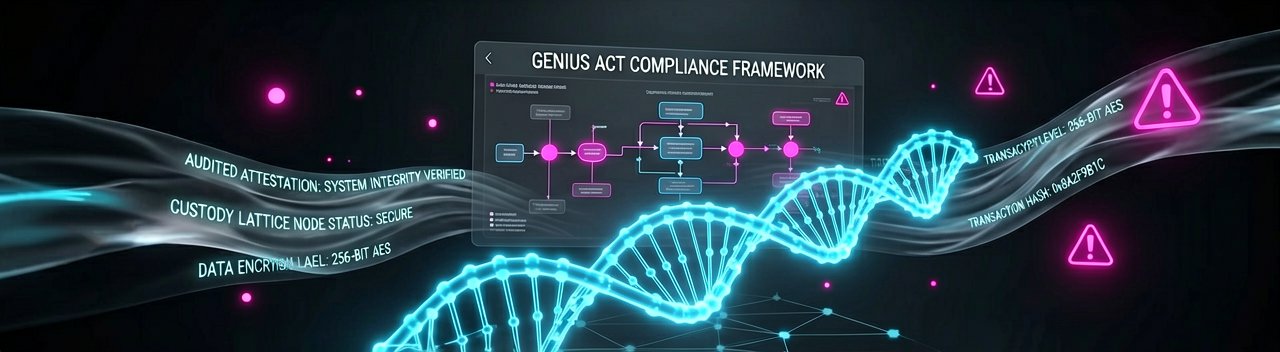
A primary bottleneck in autonomous commerce has historically been real-time regulatory compliance. Traditional Anti-Money Laundering (AML) and Know Your Customer (KYC) mechanisms assume a human operator logging into a dashboard, a process that immediately breaks the fluid automation of an AI agent. Mosta has architected MainUSD to align with the regulatory parameters of the GENIUS Act payment stablecoin framework as it takes effect. By utilizing audited monthly attestations, 1:1 asset backing, and Multi-Party Computation (MPC) institutional custody, the stablecoin provides a predictable legal environment for corporate compliance teams. This operational framework allows security systems to monitor and screen machine transactions programmatically, protecting the broader network without compromising the speed of autonomous capital flows.
Behind the Scenes: Inside the Protocol-Level Integration
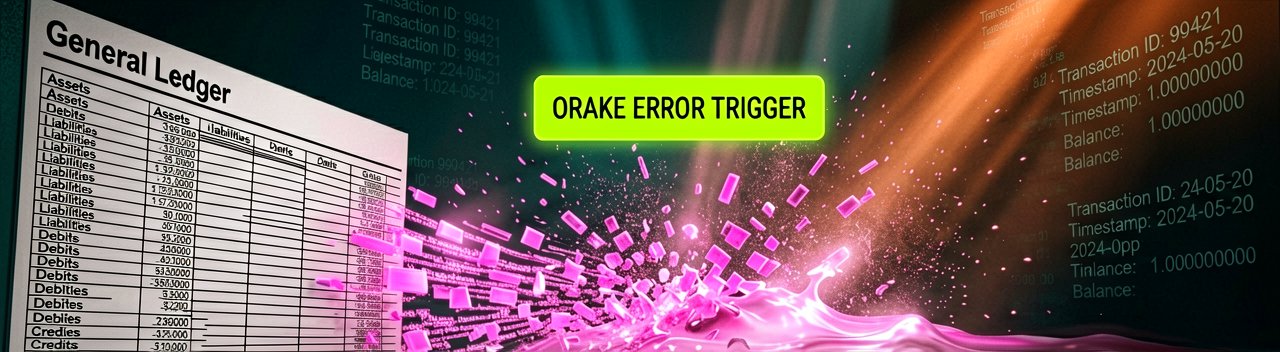
The operational reality of embedding MainUSD into real-world corporate workflows requires a complete re-engineering of the financial backend. While initial industry coverage focused entirely on the novelty of AI agents handling capital, the true technical challenge lies in how Brale's stablecoin issuing infrastructure interacts with legacy ledger networks. Traditional enterprise resource planning systems and standard business banking setups are historically built on double-entry accounting models that rely heavily on batch processing and end-of-day reconciliations. Mosta’s architecture bypasses this legacy bottleneck by replacing static ledger entries with a continuous, event-driven ledger system. This setup allows autonomous AI workflows to continuously track real-time liquidity states across both off-chain traditional banking networks and on-chain digital asset rails simultaneously.
This structural change drastically shifts how enterprise risk managers evaluate counterparty exposure and settlement delays. Under traditional cross-border settlement protocols, multinational corporations frequently face localized currency fluctuations and systemic liquidity lockups when moving funds through intermediary correspondent banks. MainUSD functions instead as a predictable liquidity routing vehicle, allowing corporate AI agents to dynamically switch between on-chain asset movement and traditional localized payment networks based on current transactional costs and settlement times. Corporate treasury operations shift from a reactive paradigm managed by accounting teams into a predictive, automated process driven entirely by systemic algorithmic efficiency.
From the perspective of institutional risk and compliance, the rise of autonomous machine-to-machine financial execution fundamentally breaks standard risk models. Historically, transaction monitoring and anti-fraud filters have been calibrated to detect human anomalies, such as irregular geographical access or unexpected changes in typical transaction sizes. When an AI agent initiates thousands of micromovements or executes programmatic asset swaps across multiple global borders within seconds, traditional compliance triggers risk generating massive amounts of false positives that could freeze critical corporate operations. The programmatic nature of the GENIUS Act compliance framework built into MainUSD addresses this structural risk by letting institutional compliance teams embed risk parameters directly into the agent’s execution policy, effectively shifting compliance from a post-transaction check to an active, pre-execution constraint.
This integration also changes the strategic relationship between traditional fintech ecosystems and the emerging decentralized finance market. For years, digital asset platforms and enterprise banking sectors operated as distinct ecosystems separated by deep regulatory differences and fragmented infrastructure. By utilizing an asset-backed digital settlement layer that natively settles directly into traditional payment systems like ACH and SEPA, Mosta establishes a clear blueprint for how legacy financial institutions can support autonomous software entities without overhauling their underlying core systems. As more corporations deploy autonomous agents to handle complex cross-border logistics and vendor payments, the demand for natively integrated financial tools like MainUSD will drive a deeper convergence between digital asset custody and daily corporate banking workflows.
Reading Between the Lines: The Friction in Seamless Automation
The tech industry's rush toward autonomous financial settlement routinely skates over a glaring logical contradiction: software agents can only be as predictable as the markets they operate within. While Mosta’s MainUSD promises to remove human latency from cross-border commerce, it simultaneously uncouples capital movement from human oversight. This shift replaces manual processing delays with a new category of systemic risk, where algorithmic feedback loops can trigger massive, automated capital reallocations in milliseconds. In a highly volatile macroeconomic environment, a minor programming anomaly or an unexpected oracle pricing error could cause autonomous corporate treasuries to panic-sell digital asset reserves or trigger chain-reaction liquidity drains across international borders before a human risk officer even registers the alert.
Furthermore, the reliance on emerging regulatory guardrails like the GENIUS Act introduces a precarious compliance paradox. FinTech innovators frequently champion programmable compliance as the ultimate shield against regulatory friction, yet regulatory bodies globally have historically struggled to maintain a consistent stance on decentralized structures and non-human economic actors. Even with 1:1 fiat backing and audited monthly attestations, a stablecoin layer remains entirely at the mercy of the traditional banking partners holding those cash reserves. If a major clearing bank decides to suddenly de-risk or tighten its compliance filters for AI-driven transactions, the underlying liquidity of the entire settlement network can instantly freeze, proving that true machine autonomy remains a structural impossibility while anchored to legacy fiat custody.
This reality forces an unvarnished re-evaluation of the true economic efficiencies gained by machine-to-machine commerce. While reducing transaction fees down toward zero percent and eliminating multi-day correspondent banking cycles looks highly attractive on a corporate balance sheet, the hidden costs are simply shifted elsewhere. Enterprises will inevitably trade legacy banking fees for skyrocketing engineering overhead, continuous protocol auditing expenses, and the steep premium of specialized institutional insurance policies designed to cover algorithmic financial failures. The promise of seamless automation ultimately delivers a highly sophisticated layer of complexity that transforms standard back-office banking into a high-stakes exercises in software reliability engineering.
"We have spent decades building a global financial infrastructure designed to protect humans from making expensive mistakes at the speed of paper, only to replace it with a system designed to let machines make catastrophic mistakes at the speed of light."
Artūras Malašauskas is an AI Systems Integrator with 20+ years of production-grade web engineering experience. He has designed, shipped, and scaled enterprise Python/PHP systems for logistics, SaaS, and public-sector clients. For the past year, he has focused exclusively on AI integrations: deploying open-source LLMs, building generative media pipelines (image, audio, video), and engineering multi-agent workflows for real production environments. His standard: reproducibility, security, cost-efficient inference—no vaporware. He documents and evaluates emerging AI tooling, separating verified capabilities from marketing noise. Technical editor at: muza-ai.eu, ai-verslas.lt, ai-naujinos.lt Connect on LinkedIn
Comments