The 2026 AI Curtains Market Report Reveals How Smart Window Treatments Are Reshaping Global Real Estate Valuations
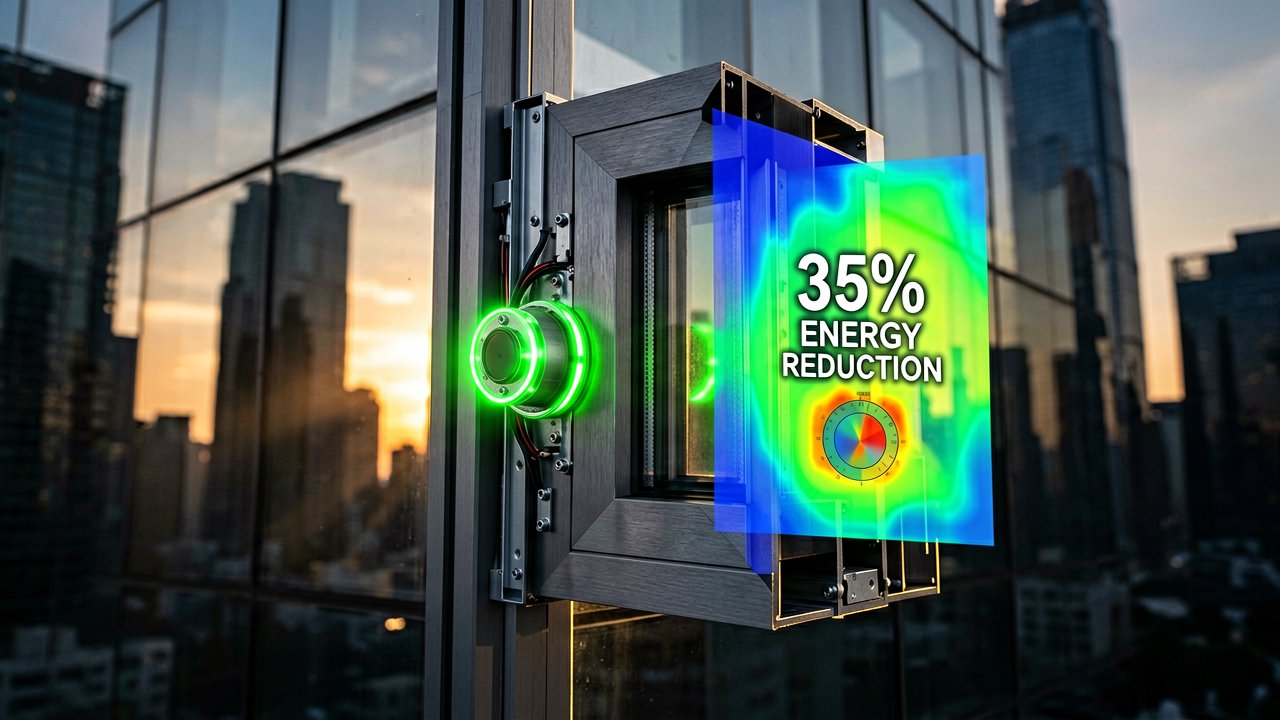
The global automated window shading sector has undergone a significant architectural paradigm shift, transitioning from a luxury consumer novelty into a core driver of commercial and residential property appraisals. According to the ScienceDirect confirms that automated control strategies for interior insulating shades can reduce overall building energy consumption by up to 35% compared to baseline structural properties. By dynamically reacting to solar heat gain and real-time outdoor temperatures, AI-enabled drapery works in tandem with centralized HVAC systems to reduce the strain on heavy climate control machinery. This measurable drop in localized utility consumption transforms window coverings into predictable operational investments that improve a facility's Net Operating Income (NOI) and command higher capitalization rates.
The Real Estate Valuation Impact of Smart Shading Systems
Institutional buyers and real estate appraisers increasingly factor automated infrastructure into total property evaluations. Data indicates that integrated smart window coverings are becoming mandatory compliance tools rather than optional aesthetic additions, driven heavily by strict sustainability updates found in the International Energy Conservation Code (IECC) and California's Title 24 guidelines. By ensuring automated daylight harvesting, these systems optimize indoor ambient lighting conditions without human intervention, effectively lowering internal heat signatures and building operational costs. As premium real estate markets place a heavier premium on sustainable certifications, properties outfitted with integrated AI drapery see accelerated transaction velocities and higher baseline asset appraisals.
Integration and Strategic Commercial Shifts
The commercial real estate sector is driving a significant portion of this technological transition, experiencing a steady double-digit compound annual growth rate in direct procurement channels. Industry metrics provided by GlobeNewswire point to expanding investment opportunities focused on full smart home ecosystems and building management system (BMS) integrations. Hotel chains, corporate offices, and luxury multi-family developments are adopting these technologies to provide contactless environment management, which aligns with modern occupant expectations while securing long-term operational resilience. The ongoing maturation of IoT protocols like Matter ensures that these automated systems remain functional across legacy architectures, cementing smart window treatments as a critical asset for modern property preservation.
Behind the Scenes of the Smart Envelope Revolution
What standard market reports routinely overlook is that the financial appreciation of these assets is not driven by the motorization itself, but by the transition from reactive to predictive building envelopes. Historically, window treatments were viewed by real estate developers as purely cosmetic interior finishes, often value-engineered out of final budgets to preserve margins. Today, institutional investors treat windows as dynamic thermal valves. As global temperatures fluctuate more violently, a building's perimeter becomes its weakest financial link, making automated shading the first line of defense against volatile spot-market electricity pricing.

This shift has fundamentally altered the relationship between mechanical engineers and interior architects during the pre-construction phase. Previously, HVAC systems were intentionally oversized to handle worst-case solar peak loads, a practice that inflated initial capital expenditure and permanently lowered operational efficiency. By embedding AI-driven curtains directly into the early design phase, engineers can downsize chillers and air handling units, capturing immediate cost savings before the foundation is even poured. Asset managers are leveraging this synergy to secure favorable green financing terms and lower insurance premiums, as predictive shading mitigates the risk of localized thermal stress on structural glass panels.
From the perspective of commercial appraisers, the traditional method of valuing a property based solely on historical comparable sales is giving way to sophisticated algorithmic modeling of automated systems. Underwriters now evaluate how effectively a building's smart infrastructure can insulate its net operating income from future municipal carbon penalties and strict energy caps. Properties utilizing legacy manual blinds are increasingly penalized in valuation models due to the unpredictability of human behavior, as tenants rarely adjust shades optimally for thermal retention. Automated systems eliminate this human variable, ensuring that the property operates at peak thermodynamic efficiency regardless of tenant negligence.
The supply chain powering this real estate evolution is also experiencing a quiet consolidation, moving away from fragmented, proprietary hardware toward unified communication protocols. Major window treatment manufacturers are forming strategic alliances with software conglomerates to ensure that motorized tracks talk directly to localized weather radar and grid-demand response programs. This allows commercial towers to autonomously pre-cool interior spaces by drawing curtains minutes before a localized heatwave spikes regional grid prices. Consequently, smart window treatments have evolved from an isolated home-automation luxury into a critical piece of macroeconomic infrastructure that safeguards institutional real estate portfolios against climate-induced asset depreciation.
Reading Between the Lines of the Automated Window Boom
The prevailing narrative surrounding smart window treatments assumes a frictionless transition toward energy-efficient utopia, yet this enthusiasm glosses over severe lifecycle and hardware contradictions. While proponents point to significant thermodynamic savings on paper, these calculations frequently ignore the embedded carbon footprint and e-waste potential of replacing passive fabric with motorized, silicon-dependent infrastructure. Upgrading a commercial tower with thousands of individualized lithium-ion batteries or low-voltage wiring grids introduces a complex layer of maintenance that legacy facilities are ill-equipped to handle. Property managers accustomed to curtains that last twenty years without a single software update are now confronting the reality of firmware patches, sensor degradation, and planned obsolescence at the window frame.
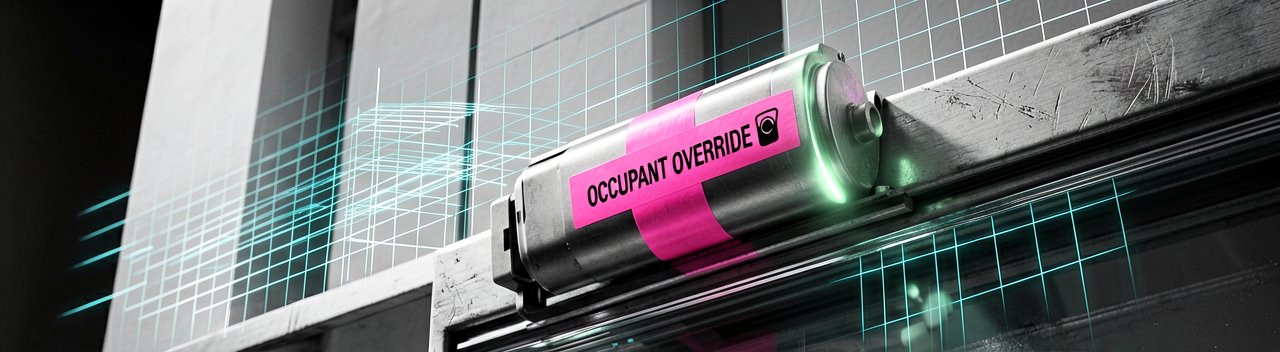
Furthermore, the promise of algorithmic optimization directly collides with the chaotic reality of occupant psychology. Asset managers purchase these automated systems to eliminate human error, yet corporate tenants routinely override automated schedules to prioritize personal comfort, glare reduction, or simple privacy. When a tenant manually forces a motorized track or tapes over an ambient light sensor to prevent an unexpected midday adjustment, the predictive efficiency model instantly collapses. This behavioral disconnect creates a widening gap between a building's theoretical, laboratory-tested energy rating and its actual, chaotic utility bills, threatening to turn smart shades into expensive compliance ornaments that look impressive to underwriters but fail on the balance sheet.
The financial justification for these systems is also highly uneven, exposing a stark divide between premium urban centers and secondary real estate markets. In high-density financial districts where municipal carbon taxes are actively enforced, the return on investment can be clearly demonstrated through reduced regulatory penalties. However, in regions with lower electricity rates and relaxed building codes, the steep upfront capital expenditure of AI-driven drapery remains difficult to rationalize. This disparity risks creating a bifurcated real estate market, where class-A trophy assets use automated envelopes to artificially inflate their valuation metrics, while mid-tier properties are priced out of compliance, widening the asset value gap based purely on software capabilities.
Ultimately, the long-term integration of window treatments into broader building management networks introduces a non-trivial cybersecurity vulnerability that the real estate industry remains hesitant to address. Every internet-connected actuator and light-harvesting sensor represents a potential entry point into an enterprise network, turning a building's physical perimeter into a digital soft spot. A localized breach that manipulates the building envelope could easily be used to spike peak-load energy expenses or compromise physical privacy. Until manufacturers standardize robust, localized edge-computing architectures that operate entirely independent of the public cloud, the real estate market is trading straightforward thermal inefficiencies for complex, systemic digital risks.
The supreme irony of the modern smart building is that after spending millions of dollars on machine-learning algorithms and automated architecture to completely outsmart the sun, the ultimate success of the entire system still hinges on whether a tenant decides to wedge a coffee mug into the tracks to keep their view of the parking lot.
Artūras Malašauskas is an AI Systems Integrator with 20+ years of production-grade web engineering experience. He has designed, shipped, and scaled enterprise Python/PHP systems for logistics, SaaS, and public-sector clients. For the past year, he has focused exclusively on AI integrations: deploying open-source LLMs, building generative media pipelines (image, audio, video), and engineering multi-agent workflows for real production environments. His standard: reproducibility, security, cost-efficient inference—no vaporware. He documents and evaluates emerging AI tooling, separating verified capabilities from marketing noise. Technical editor at: muza-ai.eu, ai-verslas.lt, ai-naujinos.lt Connect on LinkedIn
Comments