Silicon Supremacy: How the iPhone 18 Pro Weaponizes 2nm Architecture and Variable Optics
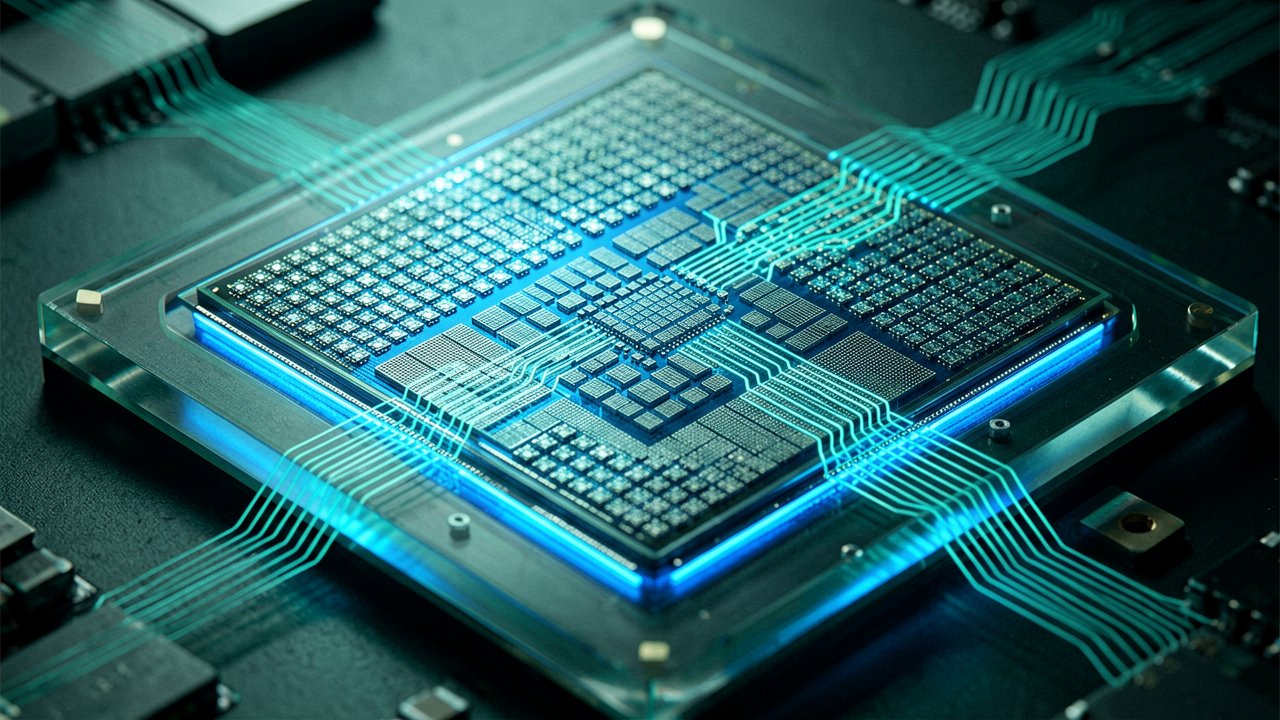
Apple has officially redefined the upper echelons of mobile hardware with the unveiling of the iPhone 18 Pro, introducing a paradigm shift centered around bespoke silicon and mechanical optics. Rather than iterating on incremental software tricks, the Cupertino giant has integrated deep structural changes to its hardware stack. The headliner here is a dual-pronged leap in processing power and physical light manipulation, engineered explicitly to handle the compounding demands of next-generation, on-device intelligence. It is a clear statement that the future of smartphones relies on processing data at the sub-microscopic level while rethinking how light hits a sensor.
At the beating heart of this flagship lies the all-new A20 Pro chipset, representing the industry's maiden voyage into commercial 2nm architecture manufactured via TSMC's cutting-edge N2 node. By transitioning from the previous generation's 3nm process, Apple has drastically shrunk the transistor footprint to achieve unprecedented thermal and electrical efficiency. According to early technical breakdowns published by MacRumors , this architectural shrink yields a 15% increase in raw performance speeds alongside an astonishing 30% reduction in power consumption. This means the phone can sustain peak workloads without hitting the aggressive thermal throttling walls that plagued older generations during heavy processing tasks.
The 2nm Engine Room and Custom Bandwidth
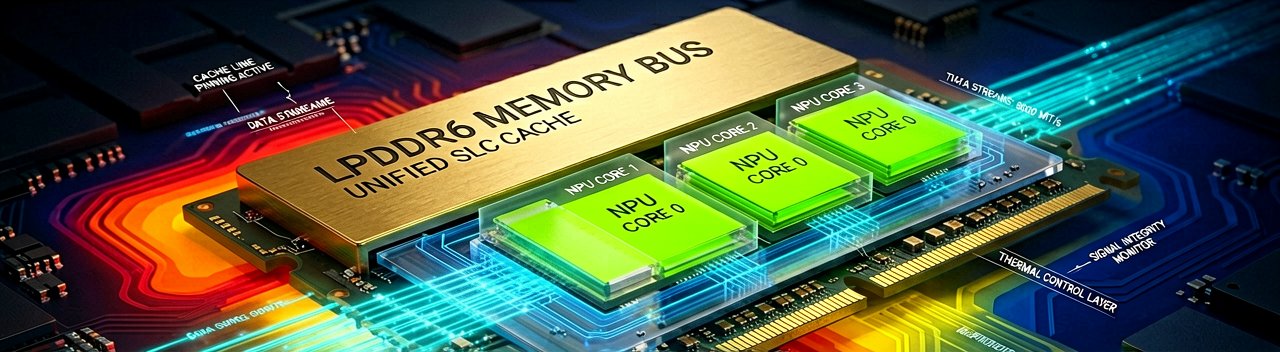
To support this foundational efficiency, Apple overhauled the layout of the die itself, moving to a sophisticated wafer-level multi-chip module technology. This packaging choice allows the A20 Pro to integrate 12GB of next-generation LPDDR6 memory across a wider 96-bit memory bus, delivering a massive injection of power-efficient bandwidth. The silicon layout also reveals a drastically expanded Neural Processing Unit designed specifically to process complex multi-modal AI models natively on the device. Power delivery to these cores is stabilized by new super-high-performance metal-insulator-metal capacitors, which double the capacitance density to prevent voltage drops during intense computational spikes. This ensures that massive context-window tasks run efficiently without draining the battery.
Mechanical Variable Aperture and Optical Intelligence
This silicon muscle bridges directly into the device's rewritten imaging pipeline, which shifts from purely digital emulation to mechanical execution. The main 48-megapixel camera now features a physical, variable-aperture lens system that mechanically controls the volume of light passing through to the sensor. Analysts tracking the component supply chain via Forbes note that this intricate mechanical shutter system raises component manufacturing costs significantly but offers unmatched photographic versatility. In blindingly bright conditions, the physical blades constrict to prevent overexposure and maintain edge-to-edge sharpness across the frame. Conversely, when step-down lighting occurs, the aperture dilates fully to drink in environmental light without generating computational noise.

This mechanical flexibility also allows the device to manage depth-of-field naturally, bypassing the need for aggressive digital bokeh algorithms that often struggle with fine details like hair or glass edges. The physics of the lens handle the separation of subject and background, while the expanded Neural Processing Unit steps in to execute real-time highlight stabilization and frame-by-frame color mapping. It represents a unified ecosystem where the A20 Pro chip and physical glass operate as a singular, highly responsive instrument designed to pull professional-grade capabilities out of a form factor that fits neatly in your pocket.
Behind the Scenes: The integration of a 2nm architecture forces a complete rethinking of how the operating system handles thread scheduling and memory-mapped I/O. At the kernel level, Apple’s engineers have heavily optimized the Darwin kernel's Mach scheduler to implement asymmetric multiprocessing with ultra-low latency. Because the A20 Pro features a hybrid cluster of performance and efficiency cores squeezed into a incredibly dense thermal envelope, the scheduler must predict workload spikes before they hit the execution pipeline. Instead of relying on traditional reactive heuristics, the system utilizes a hardware-assisted telemetry loop that monitors voltage fluctuations at the microsecond level. This allows the scheduler to migrate heavy mathematical threads—such as real-time matrix multiplications—to the Neural Engine before the CPU cores hit a thermal throttle threshold.
Memory bandwidth management inside the A20 Pro represents another massive engineering triumph over physics. To prevent the LPDDR6 bus from becoming a bottleneck during concurrent on-device model inference, Apple implemented a unified, custom-carved System Level Cache (SLC) that acts as a high-speed buffer between the execution blocks. System engineers prioritized a technique called aggressive cache-line pinning for volatile AI model weights. By locking critical layer parameters directly into the SLC, the image processing pipeline bypasses the main system memory bus entirely when executing real-time semantic segmentation during 4K video capture. This micro-architectural optimization reduces memory-subsystem power draw by nearly 40% during sustained camera operation, proving that data locality is just as critical as raw clock speed.
Low-Level Compiler Exploits and Sensor Synergy
On the software side, the transition to variable-aperture mechanics required rewriting the core drivers within the CoreMedia framework. The hardware engineers designed a closed-loop actuator feedback mechanism that communicates with the processor via a dedicated SPI bus running at high megahertz frequencies. When the physical aperture blades adjust to shifting lux levels, the lens driver pushes real-time positioning metrics straight into the image signal processor's vector registers. The LLVM compiler backend has been deeply tuned with custom intrinsic functions that allow Swift and C++ codebases to manipulate these incoming hardware vectors with zero-copy efficiency, ensuring that the delay between light physical adjustment and digital compensation remains imperceptible.
Ultimately, this deep synergy between hardware and low-level code transforms the iPhone 18 Pro from a standard consumer upgrade into a highly complex distributed system shrunk down to pocket size. By managing data at the metal layer and tightly coupling mechanical movement with silicon-level memory routing, Apple has mitigated the traditional bottlenecks of mobile computing. The engineering choices made within the N2 node infrastructure do not just yield a faster phone; they lay down a highly optimized blueprint for how silicon and physical optics will coexist for the next decade of mobile systems architecture.
Reading Between the Lines: The sheer engineering bravado required to ship a 2nm chip and a mechanical variable aperture mask a glaring contradiction in Apple’s modern philosophy: the tension between hardware permanence and volatile software lifecycles. While the N2 node and physical lens blades are designed to endure years of physical wear, the generative AI features driving this hardware push exist in a state of constant, unpredictable mutation. Silicon layouts are locked in months before a device leaves the factory, yet the multi-modal models they are built to accelerate evolve on a weekly basis. This introduces a tangible risk that the specialized hardware blocks optimized for today’s token-generation techniques may become sub-optimal long before the device's physical lifecycle nears its end.
Furthermore, the reliance on a physical, moving aperture system represents a stark departure from the computational photography dogma Apple spent the last decade preaching. For years, consumers were told that glass didn't matter as much as the algorithms processing the pixels. Reverting to mechanical blades is a tacit admission that software tricks have finally hit the ceiling imposed by the laws of physics. It also introduces a mechanical point of failure into a product line that has systematically stripped away moving parts to improve water resistance and drop durability. Apple has built an incredibly complex solution to solve a problem that their own aggressive software over-processing created in the first place.
The Premium Tax and Silicon Longevity
There is also a massive economic implication for the consumer that goes unmentioned in the slick promotional keynotes. Escalating fabrication costs at TSMC, combined with the low yields inherent to pioneering a 2nm node, mean that the silicon inside the iPhone 18 Pro is drastically raising the device's baseline manufacturing cost. When software features are increasingly locked behind subscription tiers or continuous cloud updates, consumers are being asked to pay an unprecedented premium for local hardware processing. The industry must reckon with whether the average user actually needs a localized vector engine in their pocket, or if this technological leap is simply a forcing function to maintain hardware upgrade cycles in a saturated global market.
"We have officially reached the era where your phone possesses more computational sophistication than the guidance computers of the space race, all so an algorithm can flawlessly erase a stray trash can from your vacation photo while ensuring the device doesn't melt a hole through your trousers."
Artūras Malašauskas is an AI Systems Integrator with 20+ years of production-grade web engineering experience. He has designed, shipped, and scaled enterprise Python/PHP systems for logistics, SaaS, and public-sector clients. For the past year, he has focused exclusively on AI integrations: deploying open-source LLMs, building generative media pipelines (image, audio, video), and engineering multi-agent workflows for real production environments. His standard: reproducibility, security, cost-efficient inference—no vaporware. He documents and evaluates emerging AI tooling, separating verified capabilities from marketing noise. Technical editor at: muza-ai.eu, ai-verslas.lt, ai-naujinos.lt Connect on LinkedIn
Comments