Meta and EssilorLuxottica Launch $299 Smart Glasses to Beat Competitors to the Punch
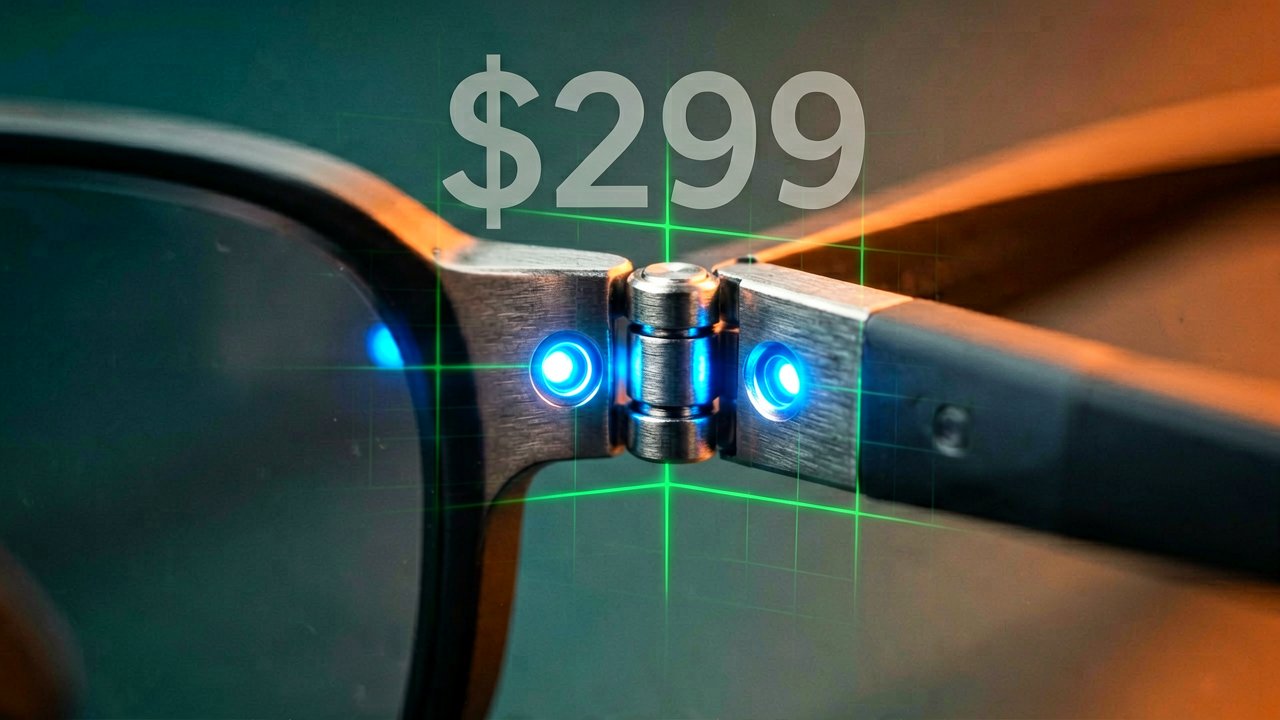
In a bold move that firmly secures its position as a frontrunner in wearable AI, Meta and eyewear titan EssilorLuxottica have formally launched a brand-new range of affordable, AI-powered smart glasses. Debuting at a budget-friendly starting price of $299, this new hardware collection abandons the premium Ray-Ban badge of previous iterations, opting instead for a streamlined, direct brand presence. The strategic rollout targets mass-market adoption by undercutting the premium pricing tiers traditionally expected from competitors like Apple, signaling a massive push toward making everyday consumer AI accessible to the public.
The freshly unveiled collection boasts 26 distinct, customizable styles featuring varied shapes and rich colorways, proving that the tech giants understand aesthetics matter just as much as artificial intelligence. By omitting high-end designer branding, the hardware achieves an $80 price cut compared to older premium frames, yet it still retains top-tier multi-modal AI capabilities. Users can expect the built-in assistant to translate foreign languages in real-time, interpret physical surroundings through the onboard camera, and respond to seamless voice commands without relying on bulky headsets.
A Massive Play for the Future of Smart Eyewear
According to an official product announcement on the Meta Blog, the partnership focuses on building comfortable, everyday frames packed with eight hours of battery life, advanced multi-mic arrays for wind reduction, and open-ear audio. To elevate the fashion appeal, the collection even features an exclusive frame silhouette co-designed by media personality Kylie Jenner. By delivering sleek, functional eyewear that feels entirely normal to wear in public, Meta is laying down a heavy gauntlet for any silicon valley rivals trying to claim the future of consumer augmented reality.
Behind the Playbook: A Calculated Gamble on Pure Brand Equity
What most reports miss about this latest product launch is the calculated risk Meta is taking by intentionally shedding its luxury security blanket. For years, critics argued that the success of Meta's wearable division relied heavily on the timeless appeal of the Ray-Ban logo, masking consumer hesitation toward facial hardware. By stepping out from behind the curtain and branding these directly as Meta Glasses, the tech giant is gambling that its proprietary software ecosystem is finally mature enough to drive adoption on its own merit. According to an industry analysis by TechCrunch , Meta and EssilorLuxottica already command an estimated 80% of the early AI glasses market, giving them the confidence to establish Meta as a standalone consumer hardware brand.

This aggressive pricing strategy is less about immediate profit margins and more about an active containment strategy against Cupertino. With Apple widely rumored to be plotting its own entry into the smart eyewear arena, Meta is actively closing the window of opportunity by capturing the mid-tier consumer base before a competing iOS-tethered alternative can materialize. Reports highlighted by Forbes indicate that Meta explicitly timed this hardware ramp-up to solidify its ecosystem hegemony well ahead of Apple's projected market timelines. Delivering a fully un-tethered, multi-modal AI experience at a sub-$300 entry point sets an incredibly difficult baseline for any competitor attempting to justify a premium hardware tax.
Driving Mainstream Appeal Through Cultural Capital
To offset the loss of heritage fashion branding like Ray-Ban or Oakley, Meta is pivoting hard toward contemporary cultural relevance to bridge the mainstream gap. The inclusion of the Starfire silhouette, a slim oval frame co-designed with celebrity entrepreneur Kylie Jenner, showcases a pivot toward a younger, influencer-driven demographic. As detailed by Quartz, this specific $399 special edition variant even offers buyers the option to use Jenner's own synthesized voice as their interactive AI assistant. It is a highly deliberate attempt to transform what could be perceived as an isolated tech gadget into an indispensable lifestyle accessory.
Beneath the stylish frames lies the true engine of Meta's long-term hardware ambitions: the debut of the Muse Spark model, engineered by the company's newly minted Superintelligence Labs. According to early coverage from Reuters , this marks the first time Meta's wearable lineup ships with dedicated, next-generation personal intelligence architecture out of the box. While the hardware foregoes integrated displays to prioritize a sleek form factor and an impressive eight-hour battery life, the underlying software is designed to turn the glasses into an omnipresent, contextual assistant. By gathering continuous real-world data from millions of users' perspectives, Meta is quietly building the massive behavioral dataset required to master the next true frontier of spatial computing.
Reading Between the Lines: The Hidden Costs of Cheap Compute
Reading between the lines reveals that Meta’s aggressive $299 price point is less of a philanthropic gift to consumer tech accessibility and more of a heavily subsidized land grab for user data. While traditional hardware manufacturers rely on healthy product margins to sustain operations, Meta’s underlying business model remains intrinsically tied to advertising and data collection. By placing cameras and microphones directly onto the faces of millions at a sub-premium cost, the company circumvents the traditional app store gatekeepers that previously crippled its ad tracking revenues. The immediate financial loss on the bill of materials is easily offset by the unprecedented, continuous stream of real-world behavioral data fed straight back into Meta’s monetization machine.

This reality exposes a glaring contradiction in the tech industry’s current narrative surrounding wearable privacy. The lack of an integrated display is framed as a design triumph that prioritizes weight reduction and battery longevity, yet it simultaneously serves as a convenient screen for the device's true purpose. Users are encouraged to view these frames as a harmless fashion statement, completely glossing over the fact that they are essentially walking data nodes mapping private spaces and recording ambient conversations. As these devices achieve mainstream ubiquity, the friction between casual consumer convenience and the absolute erosion of public anonymity will inevitably reach a breaking point that current regulatory frameworks are wholly unprepared to handle.
The Realist's Roadmap for Spatial Supremacy
Looking ahead, the long-term viability of this hardware ecosystem hinges on whether consumers actually want an artificial intelligence constantly whispering in their ears. Silicon Valley assumes that ambient computing is the natural evolution of the smartphone, but early adoption trends indicate that voice-only interactions still suffer from a distinct social stigma. Outside of controlled tech demonstrations and niche influencer use cases, the practical utility of translating a restaurant menu or describing a landmarks in real-time remains a secondary luxury rather than a daily necessity. Meta is betting billions that cultural momentum, fueled by celebrity partnerships, can overcome this behavioral inertia before investor patience wears thin.
Ultimately, this launch positions Meta as the definitive incumbent of a market that Apple has yet to officially enter, turning the anticipated wearable wars into a battle of philosophical design. Apple will almost certainly counter with an incredibly polished, hyper-premium alternative that locks users further into its walled garden at triple the price. By establishing an affordable, platform-agnostic baseline today, Meta forces its rivals to justify why an everyday consumer should pay a premium tax just for a luxury logo and a closed ecosystem. It is a brilliant tactical chess move, but one that relies entirely on the assumption that the public is ready to trade the last vestiges of their visual privacy for a sleek pair of glasses and a synthetic celebrity voice.
"We’ve officially entered the era where tech giants will gladly subsidize your high-fashion eyewear, provided you don't mind letting their algorithms look through your eyes to figure out exactly what kind of shoes you're wearing."
Artūras Malašauskas is an AI Systems Integrator with 20+ years of production-grade web engineering experience. He has designed, shipped, and scaled enterprise Python/PHP systems for logistics, SaaS, and public-sector clients. For the past year, he has focused exclusively on AI integrations: deploying open-source LLMs, building generative media pipelines (image, audio, video), and engineering multi-agent workflows for real production environments. His standard: reproducibility, security, cost-efficient inference—no vaporware. He documents and evaluates emerging AI tooling, separating verified capabilities from marketing noise. Technical editor at: muza-ai.eu, ai-verslas.lt, ai-naujinos.lt Connect on LinkedIn
Comments