Silicon on Campus: Chico's AI Surveillance Deal Exposes the Fragile Intersection of EdTech Growth and Public Trust
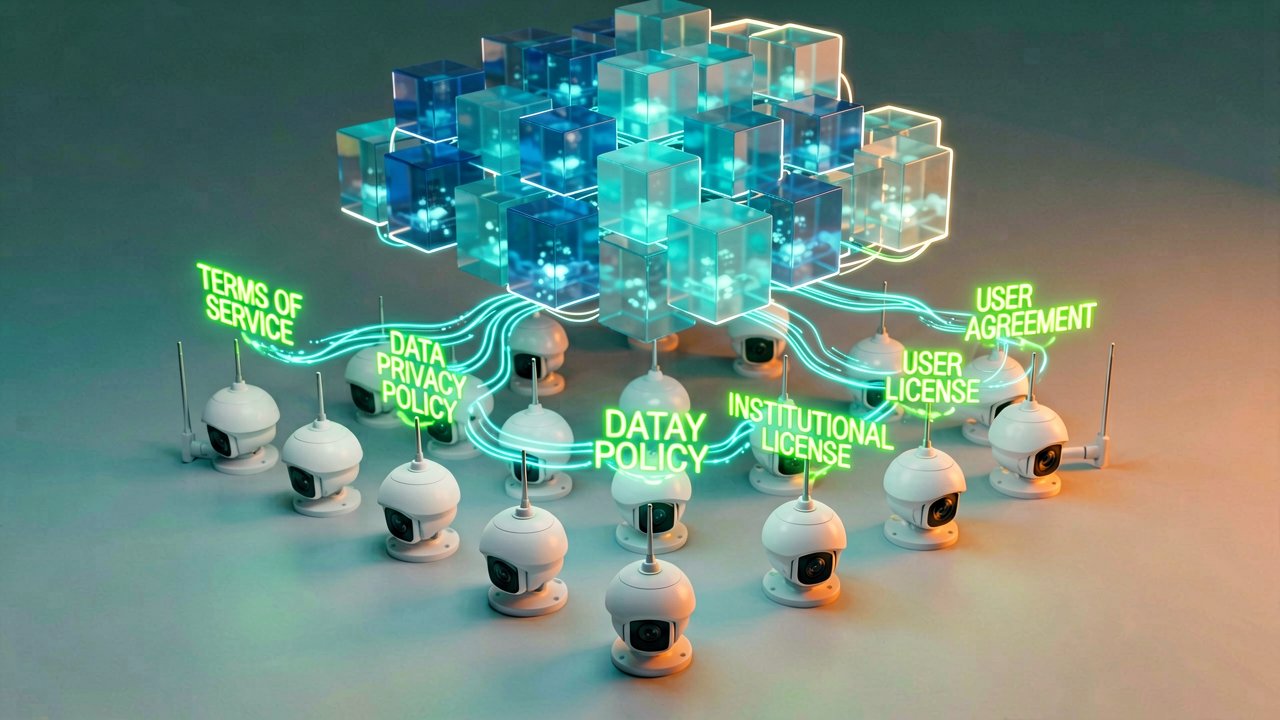
The multi-million dollar intersection of campus security and machine learning has reached a critical inflection point in Northern California. The Chico Unified School District recently moved forward with a controversial 10-year, $1.9 million contract to deploy 691 AI-powered cameras manufactured by enterprise security firm Verkada, according to local reporting by the Chico Enterprise-Record. This deployment, orchestrated through integrator Riverside Technologies, has metastasized from a routine localized hardware upgrade into a high-stakes national case study. It highlights the growing structural tensions between aggressive public sector EdTech procurement and the hardening baseline of student data privacy advocates.
From an industry standpoint, the Chico deployment underscores a major strategic shift in K-12 campus operations. School boards are increasingly abandoning fragmented, legacy analog closed-circuit systems in favor of centralized, cloud-managed computer vision ecosystems. Verkada’s platform exemplifies this shift, offering granular text-based searching, vehicular pattern filtering, and native "People Analytics" architectures capable of parsing complex physical attributes across campuses. However, as documented by , these advanced deployments introduce structural platform lock-ins, wherein dynamic cloud licensing requirements effectively give vendors the power to revoke system utility if recurring subscription fees lapse. This model transforms standard hardware investments into long-term operational liabilities.
The Disconnect Between Vendor Promises and Regulatory Reality
The friction in Chico reached a peak due to the historical baggage of the underlying technology stack. The hardware provider previously faced severe regulatory penalties, including a multi-million dollar settlement with the Federal Trade Commission following a massive 2021 system breach that exposed live feeds across sensitive civic infrastructures, as noted by Government Technology. To secure local approval amidst aggressive parent and educator pushback, school board trustees unilaterally mandated that the platform's advanced facial recognition modules be disabled, choosing instead to restrict initial tracking strictly to peripheral vehicle history tools. Yet, enterprise risk analysts remain skeptical of these algorithmic concessions, as the core software architecture retains the fundamental capability to toggle facial indexing on via simple cloud-side software updates.
Market Implications and the Risk of Algorithmic Feature Creep
This localized policy retreat reflects a broader macroeconomic challenge for the physical security market. Silicon Valley vendors are pricing advanced machine learning layers directly into their subscription models, creating an incentive mismatch when public school districts restrict those high-margin features due to local civil liberties concerns. While peer networks like the Clovis Unified School District have deployed thousands of similar smart sensors to optimize bus routes and mitigate transit liabilities, the baseline friction in Chico demonstrates that communities are no longer willing to accept "feature creep" without intense public vetting. As federal oversight of biometrics tightens, districts moving forward with these contracts will face mounting litigation risks and sustained community pushback, unless they establish ironclad, auditable firewalls against unauthorized data aggregation.
Anatomy of a Cloud-Bound Panopticon: The Multi-Year Cost of Algorithmic Governance
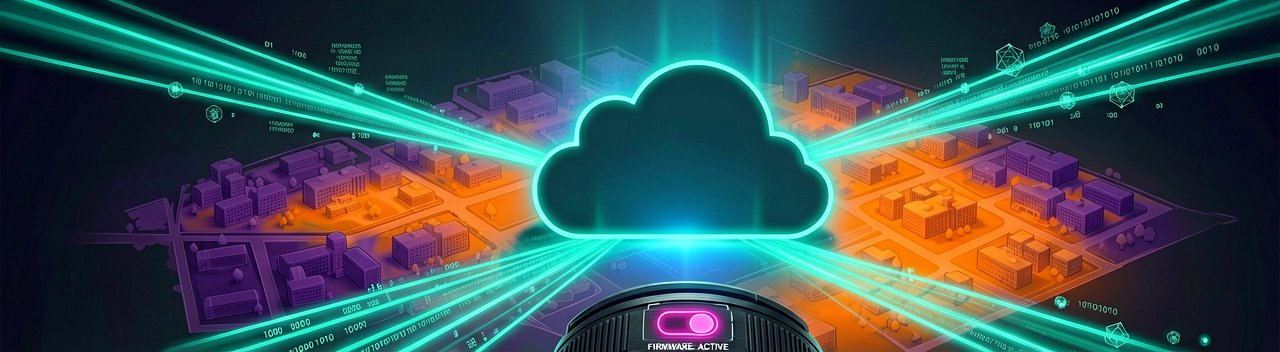
Behind the Tech Infrastructure: The rush to integrate computer vision into public schools masks an architectural trap that seasoned enterprise architects have warned against for years. When the Chico Unified School District committed to its ten-year contract, it did not merely purchase optical lenses and mounting brackets; it fully integrated its campus infrastructure into a proprietary, centralized cloud network. In traditional analog deployments, a school district retained total, localized ownership of its video loops. In the modern cloud-managed paradigm, hardware utility is inextricably bound to recurring software-as-a-service licensing fees. If a cash-strapped district decides to let its premium software subscriptions lapse five years down the line, the physical infrastructure ceases to function, effectively bricking hundreds of thousands of dollars in taxpayer-funded hardware.
This structural dependency creates an intense pressure toward "feature creep" as districts scramble to justify the ongoing operational costs. While local administrators currently maintain that advanced facial recognition and demographic profiling modules are turned off, the physical capability remains embedded within the firmware. This creates a persistent vulnerability. Security engineers point out that a single remote patch or a shift in school board leadership can instantly re-enable mass biometric indexing without requiring new hardware procurement. The policy firewall protecting student privacy is not built into the silicon; it is merely a temporary administrative checkbox that can be flipped at any moment by a system administrator or an executive order.
The human cost of this continuous monitoring falls squarely on the student body, altering the psychological baseline of the educational environment. Civil rights advocates and student groups note that constant surveillance shifts the educational paradigm from an open space of intellectual exploration to an environment of presumed suspicion. When every minor infraction—from a student lingering too long by a locker to an unauthorized hallway transition—is logged, flagged, and sorted by a behavioral algorithm, the trust dynamic between educators and pupils erodes. Rather than fostering genuine safety, these systems risk creating a culture of hyper-conformity, where students modify their natural movements and social interactions out of fear of triggering an automated behavioral alert.
Furthermore, the market dominance of centralized security vendors presents an attractive, high-value target for sophisticated threat actors. History proves that aggregating the live video feeds of thousands of schools, hospitals, and corporate offices into a single, cloud-based dashboard creates a catastrophic single point of failure. When vast quantities of student biometric records and behavioral patterns are stored on remote servers, the risk of data leaks, insider threats, and malicious network intrusions increases exponentially. For school districts, the long-term liability shifts from managing localized physical threats to mitigating massive, systemic cybersecurity breaches that could compromise the private data of minors for decades to years to come.

The Surveillance Paradox: Deconstructing the Myth of Absolute Safety
Reading Between the Lines: The primary justification for deploying sophisticated computer vision platforms in public schools rests on a fundamental fallacy: the assumption that a higher volume of data inherently produces a higher degree of safety. School boards frequently conflate technological activity with operational efficacy, buying into marketing narratives that position predictive algorithms as a definitive shield against campus violence. Yet, extensive empirical research into school safety infrastructure reveals a glaring contradiction. There is no conclusive evidence that multiplying the number of cameras on a campus deters mass violence or reduces the frequency of critical incidents. Instead, these systems excel primarily at documenting minor, administrative infractions after they occur, turning an expensive, high-tech tool meant for crisis prevention into a glorified tool for retroactive discipline.
This misalignment of utility highlights a deeper systemic hypocrisy within public education procurement. While districts claim these multi-million dollar contracts are vital investments in student wellness, the capital allocated to software licensing frequently cannibalizes the budgets needed for proven, human-centric interventions. Funds that could be used to hire additional guidance counselors, mental health professionals, or campus social workers are instead funneled into the recurring revenue streams of software vendors. By opting for automated, algorithmic oversight over human resource investment, administrators are opting for the illusion of control, choosing a flashy, tech-driven line item that looks proactive on a press release but fails to address the root systemic causes of student distress and campus volatility.
Looking forward, the long-term regulatory and legal implications of these deployments will likely catch school districts off guard. As state legislatures increasingly introduce strict biometric privacy laws modeled after stringent data protection frameworks, the unchecked collection of student movement data will become a massive legal liability. Districts may soon find themselves defending class-action lawsuits brought by privacy advocates over unauthorized algorithmic tracking or data mishandling by third-party integrators. By integrating these systems today without rigorous, independent privacy impact assessments, public schools are effectively gambling with taxpayer money, locking themselves into legally precarious ecosystems that may be ruled unconstitutional before the ten-year hardware depreciation cycle is even complete.
The modern education tech stack seems determined to prove that while we may not be able to guarantee our children a world-class education or adequate mental health support, we can absolutely ensure their walk to detention is captured in crisp, high-definition, cloud-rendered 4K resolution.
Artūras Malašauskas is an AI Systems Integrator with 20+ years of production-grade web engineering experience. He has designed, shipped, and scaled enterprise Python/PHP systems for logistics, SaaS, and public-sector clients. For the past year, he has focused exclusively on AI integrations: deploying open-source LLMs, building generative media pipelines (image, audio, video), and engineering multi-agent workflows for real production environments. His standard: reproducibility, security, cost-efficient inference—no vaporware. He documents and evaluates emerging AI tooling, separating verified capabilities from marketing noise. Technical editor at: muza-ai.eu, ai-verslas.lt, ai-naujinos.lt Connect on LinkedIn
Comments