The AI SOC Mirage: Why Most Security Teams Are Still Waiting for the Promised Land
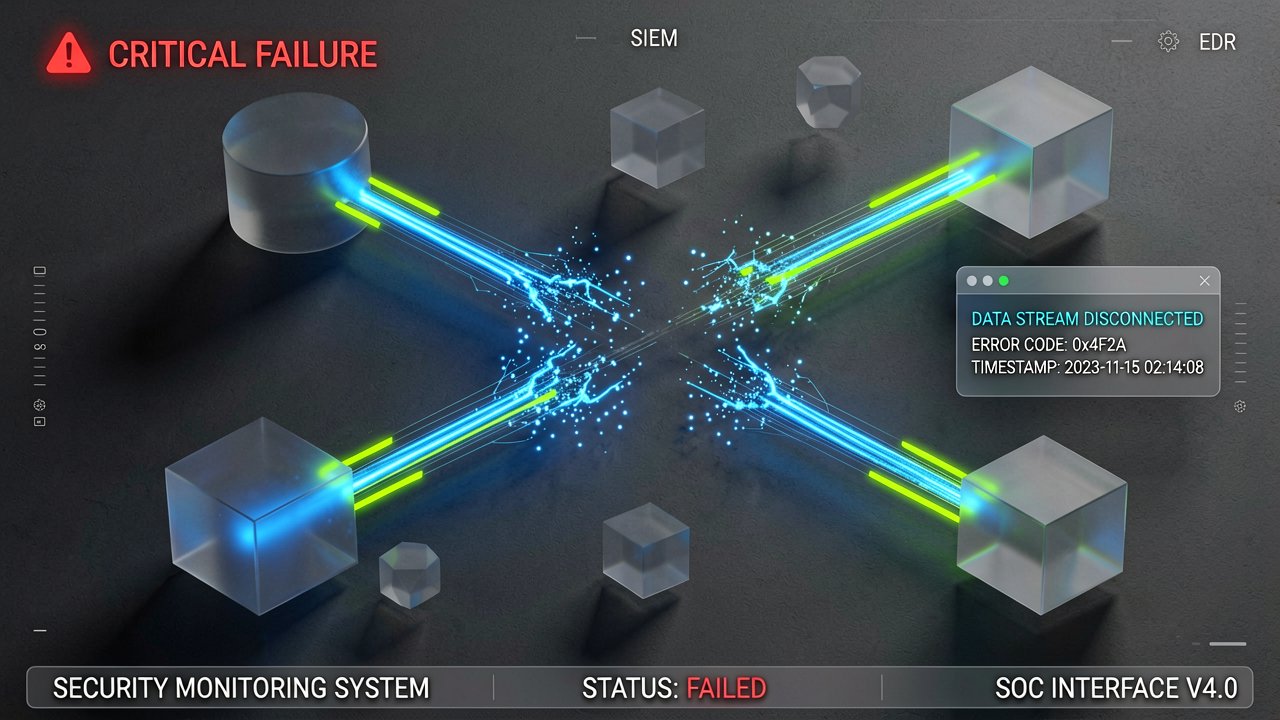
For eighteen months, the tech industry has treated the artificial intelligence Security Operations Center (SOC) as an absolute inevitability. Billions of dollars flooded into security platforms, agentic tools, and co-pilots, cementing AI as a mandatory budget item rather than an experimental luxury. Corporate boardrooms expected magic, envisioning autonomous defensive fabrics that would neutralize threats at machine speed. Instead, frontline defenders got a reality check that feels less like a breakthrough and more like a beautifully formatted distraction.
The numbers paint a stark picture of a widening expectation gap. According to data published in the , the SOC-CMM 2026 Maturity Report revealed that a meager 10% of security operations centers report achieving excellent value from their AI investments. Meanwhile, a staggering 71% of respondents reported receiving nominal or zero value from their shiny new deployments. We aren't looking at an adoption bottleneck here; security teams are buying and standing up these features faster than ever, yet the needle isn't moving on actual security outcomes.
The root cause isn't that the large language models are stupid, but rather that the underlying architecture is broken. Tech vendors rushed to market by bolting AI features onto existing, fragmented point products like SIEMs, EDRs, and ticketing setups. This design flaw essentially creates isolated hyper-accelerators for individual silos without fixing the messy, context-deficient handoffs between threat intelligence, triage, and eventual remediation. It turns out that making an analyst write an incident summary twice as fast does nothing to help them determine whether an obscure cloud API call is a legitimate business process or an unfolding corporate disaster.
Accelerating the Silos
This architectural fragmentation has yielded what industry insiders call first-wave AI—glorified triage engines that handle the low-hanging fruit but collapse under ambiguous, high-stakes decisions. Security teams are still drowning in noise, and adding a chatbot to an alert queue doesn't alleviate the bone-deep analyst burnout that has plagued the sector for a decade. When every security vendor claims their platform is an autonomous talent rescue mission, but professionals find their workloads increasing anyway, the corporate skepticism is entirely earned.
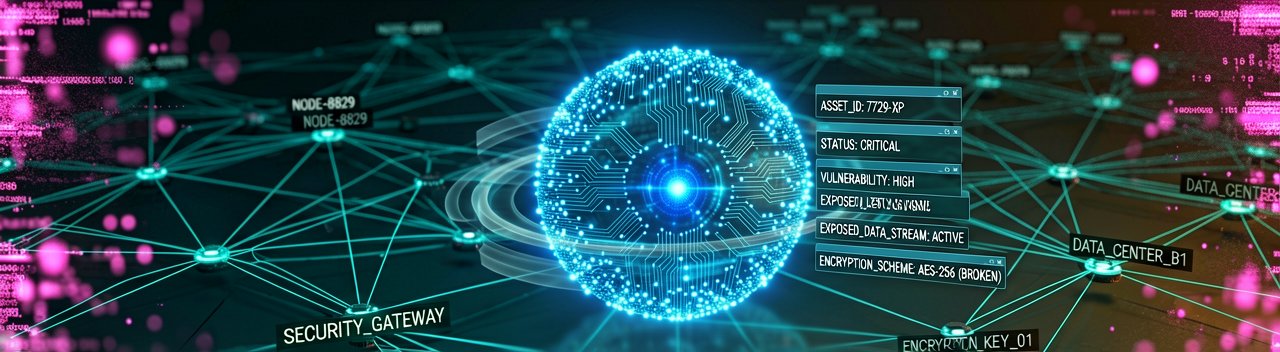
The defenders currently surviving this landscape are the slim 10% who refuse to look at AI as a collection of disjointed plugins. Real value happens when the entire security lifecycle operates as a unified, agentic fabric grounded heavily in institutional knowledge and transparent reasoning. If the next wave of cybersecurity automation cannot share deep environmental context across every single workflow phase, enterprises will simply continue spending millions to watch their fragmented tools fail at a slightly faster pace.
Buying software is easy, but engineering trust is brutally hard. The frantic gold rush toward cybersecurity automation has ignored a fundamental human truth: an analyst will not hand over the keys to a black box when their job, reputation, and company survival are on the line. The current tools demand immediate autonomy, asking defenders to blindly trust their algorithmic judgements. High-performing security teams understand that true machine utility is earned in explicit, bite-sized increments rather than granted upfront through a vendor’s marketing slides.
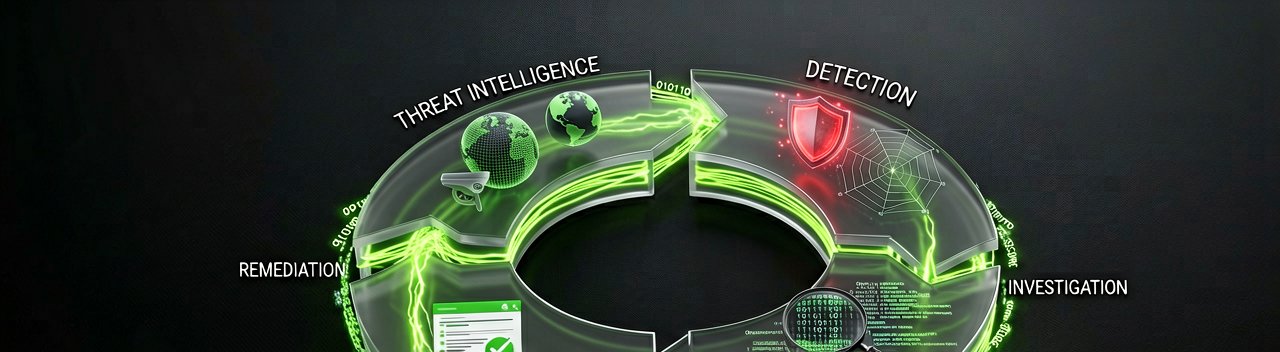
The few organizations reaping genuine rewards from artificial intelligence are treating the technology as a continuous lifecycle rather than a silver bullet. According to deep insights tracked by , the core differentiator for this elite ten percent is an architectural system where threat intel, hunting, detection, investigation, and remediation feed context back and forth in an unbroken loop. When an automated agent closes a legitimate incident, that data must instantly recalibrate the next detection rule and update the active threat hunting cycles. Without this systemic cohesion, security tools operate like a group of brilliant analysts locked in separate rooms, entirely forbidden from speaking to one another.
The Local Context Crisis
This lack of communication directly fuels a localized data crisis. Generic algorithms, trained on the vast averages of the public internet, completely fumble the hyper-specific realities of corporate networks. What looks like a malicious lateral movement pattern inside a sprawling financial institution might actually be a perfectly benign, custom-built data backup process inside a specialized healthcare environment. The latest security baselines require deep institutional knowledge, meaning tools must actively preserve data regarding critical assets, historical team judgements, and custom escalation criteria to prevent a catastrophic deluge of false alarms.
Operational complexity is further compounded by massive organizational bottlenecks. The latest data reveals that effective governance remains the single most challenging hurdle for modern defense teams, with a notable 39% of operations flagging governance and auditability as their primary operational roadblock. Organizations are aggressively adopting tools—with deployment of specialized security agents surging by 118% year-over-year—yet they are dropping these advanced engines directly into legacy infrastructures without updating their broader defensive frameworks. Merely supercharging an outdated, rigid workflow ensures nothing more than a faster path to failure.
Designing the Next Defensive Wave
To shatter this persistent mirage, the next generation of security platforms must pivot entirely away from conversational novelties and toward immutable logic traces. Frontline responders do not need an artificial companion to write friendlier status updates; they need transparent, auditable decision logs that explain exactly why a specific cloud identity was restricted or why a particular network segment was isolated. The goal is to shift human analysts out of the exhausting weeds of basic data collection and elevate them into administrative supervisors of a highly complex machine system.
The path forward demands a complete rejection of superficial product add-ons. Security leaders must demand unified open architectures that force distinct vendor platforms to natively share environmental context and localized telemetry. Until enterprise buyers prioritize comprehensive system integration and strict operational governance over impulsive budget consumption, the autonomous security operations center will remain an expensive illusion, leaving the vast majority of defenders stranded in the tech industry’s favorite promised land.
The bill for our collective impatience has finally come due. For years, the tech sector operated under the comfortable delusion that pouring capital into advanced algorithms would naturally wash away decades of technical debt. We assumed that if we gave an automated system enough processing power, it could miraculously decipher our disorganized data lakes and untangle our poorly configured corporate networks. Instead, this hasty experiment has proven that an intelligent engine dropped into a broken, uncoordinated system simply creates a much faster, far more unpredictable mess.
The industry's current stasis is the predictable result of treating a structural architectural crisis as a mere software features problem. The staggering reality that the vast majority of operations centers see negligible returns on these massive investments is a direct rebuke to vendors who prioritized rapid market capitalization over rigorous engineering. This profound disconnect underscores the fact that security operations cannot be solved by simply wrapping a legacy, siloed architecture in a modern conversational interface.
Bridging the Execution Chasm
Surviving the next phase of enterprise defense requires a brutal, unsentimental reassessment of our entire procurement strategy. Organizations must stop chasing the elusive dream of a fully autonomous turnkey solution and refocus their energies on building robust, highly integrated data pipelines. True operational maturity will not be found in flashy product demonstrations, but in the painstaking, unglamorous work of enforcing open data standards and establishing strict API interoperability across every single tool in the security stack.
Furthermore, enterprise leaders must completely realign their internal governance frameworks to match the breakneck speed of modern automated workflows. Deploying autonomous agents without establishing clear boundaries, transparent auditing logs, and robust human-in-the-loop fail-safes is an open invitation to operational chaos. The operations centers that successfully bridge this massive execution chasm will be those that treat automation as an optimization tool for their human talent, rather than a cheap, hands-off replacement for it.
Ultimately, the industry-wide disillusionment we are witnessing today is a painful but necessary step toward actual maturity. The grand illusion of the self-healing enterprise has shattered, forcing us to confront the reality that software cannot substitute for a coherent, foundational security strategy. As the market naturally filters out the superficial noise and the empty marketing promises, we can finally begin the real work of engineering a deeply integrated, highly context-aware defensive fabric that actually delivers on its potential.
Investing millions in cutting-edge automation before cleaning up your enterprise data architecture is the corporate equivalent of putting a jet engine on a horse-drawn carriage; you will certainly move faster, but you probably will not survive the corner.
Artūras Malašauskas is an AI Systems Integrator with 20+ years of production-grade web engineering experience. He has designed, shipped, and scaled enterprise Python/PHP systems for logistics, SaaS, and public-sector clients. For the past year, he has focused exclusively on AI integrations: deploying open-source LLMs, building generative media pipelines (image, audio, video), and engineering multi-agent workflows for real production environments. His standard: reproducibility, security, cost-efficient inference—no vaporware. He documents and evaluates emerging AI tooling, separating verified capabilities from marketing noise. Technical editor at: muza-ai.eu, ai-verslas.lt, ai-naujinos.lt Connect on LinkedIn
Comments