HP and Ferrari Trade the Track for the Desk with a $5,599 AI PC Built for Collector Cruising
When technology behemoths and automotive elite clash, we usually get a flashy sticker on a standard chassis. However, HP Inc. and Ferrari have thrown out the old branding playbook. Ahead of the glamorous Monaco Grand Prix, the duo officially unveiled the HP Limited Edition Scuderia Ferrari AI PC, a luxury mobile workstation that proves their ongoing multi-year F1 title sponsorship is steering toward actual hardware innovation. It isn't just an off-the-shelf laptop painted red; it is an completely co-designed machine that borrows as much from Maranello's hypercar architecture as it does from Palo Alto's engineering vaults.
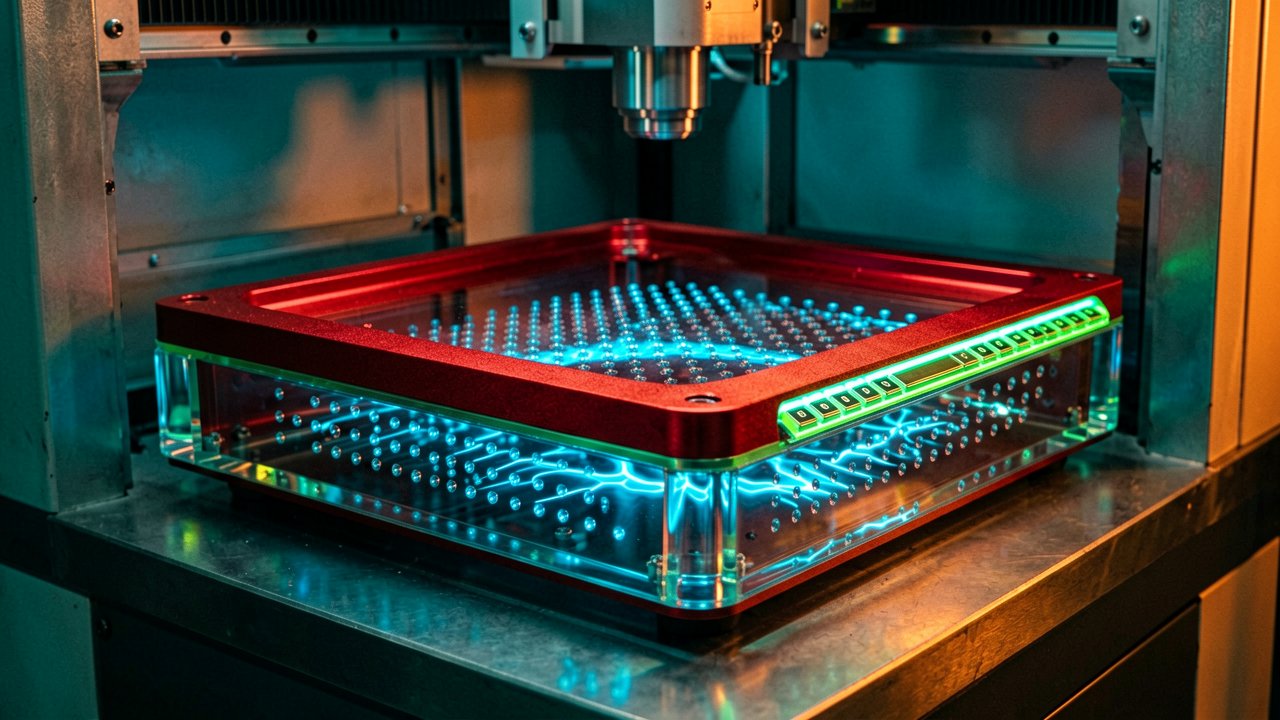
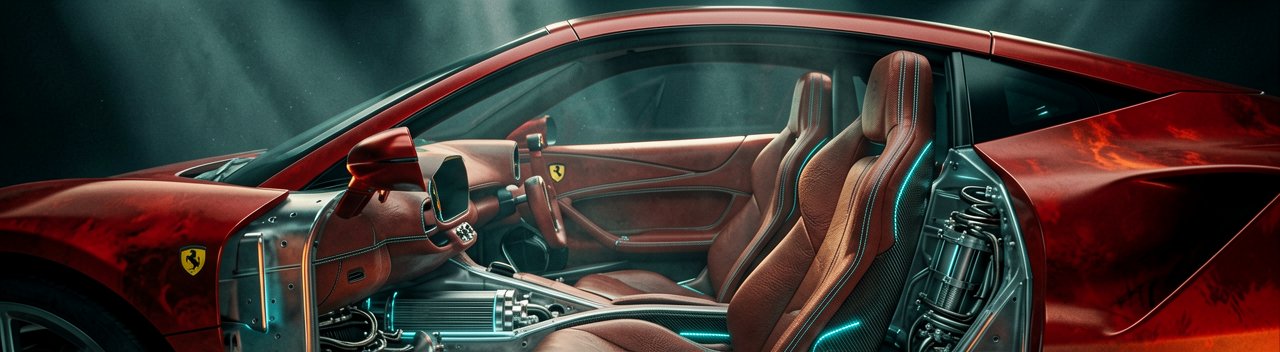
The device stands out with a striking CNC-milled aluminum chassis coated in authentic Rosso Magma paint—the exact shade popularized by the exotic Ferrari Daytona SP3. True to the automotive philosophy of showing off what is under the hood, the laptop features a transparent Corning Gorilla Glass base panel. This "engine bay" window exposes the internal cooling system, accented by over 2,000 laser-perforated fluid-dynamic micro-perforations designed to optimize airflow. To push the elite presentation further, each of the 4,999 units produced worldwide comes numbered, serialized, and tucked inside a bespoke Poltrona Frau leather sleeve made from the very same hide found inside modern Ferrari cockpits.
Formula One Specs Meet Serious Compute Power
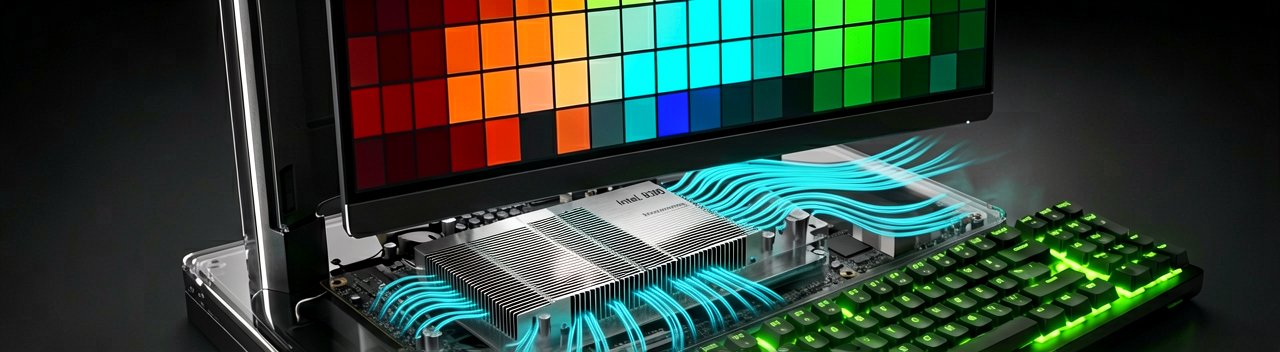
Beneath the gorgeous Italian exterior, the hardware packs a punch capable of managing intensive creative workloads and gaming alike. HP equipped the machine with an Intel Core Ultra X7 processor 358H and Intel Arc B390 graphics, delivering a combined 180 TOPS of AI compute performance. Visual duties are handled by a gorgeous 3K Tandem OLED+ touch display that shines with deep contrast, while an individual-key RGB backlit keyboard provides customizable animations to round out the premium look.
Data security hasn't been overlooked either, as the machine integrates hardware-enforced enterprise defenses through HP Wolf Security for Business. If you want to put this computing supercar on your own desk, it won't come cheap. HP will officially open orders on its storefront on June 12, 2026, carrying a steep $5,599 MSRP for buyers in the United States, United Kingdom, Italy, and a handful of other select global markets.
The Engineering Philosophy of a Digital Supercar
Behind the Silicon and Carbon Fiber: The collaboration between HP and Ferrari represents a tactical shift in tech partnerships, moving away from simple badge engineering toward deep industrial design integration. Historically, automotive-themed laptops merely slapped a famous logo on an existing plastic chassis and charged a premium. With this release, engineers from both companies collaborated for months to replicate the physical sensation of a sports car. The transparent Gorilla Glass base panel, revealing the intricate internal cooling architecture, mirrors the rear glass engine covers of iconic Maranello hypercars like the F40 and the Daytona SP3. It is a deliberate aesthetic choice meant to celebrate engineering complexity rather than hide it behind opaque metal.
This design direction highlights a growing trend among luxury brands seeking to capture the attention of high-net-worth creators, engineers, and motorsport enthusiasts. By limiting production to 4,999 units, HP is treating silicon like fine art or limited-run vehicles, introducing artificial scarcity to a product category traditionally defined by rapid obsolescence. The inclusion of a Poltrona Frau leather sleeve—sourced from the same Italian furniture house that upholsters Ferrari’s road cars—serves as a tactile bridge between digital productivity and high-end automotive heritage, justifying the steep entry price to collectors who value brand synergy over pure cost-to-performance metrics.
From a hardware perspective, the inclusion of the Intel Core Ultra platform and dedicated Arc graphics signifies a bet on the longevity of localized AI processing. While regular consumers might question the necessity of a 180 TOPS compute pool, the target demographic of data scientists, telemetry engineers, and creative directors requires massive on-device processing power to run local simulations without relying constantly on cloud latency. HP is leveraging its enterprise-grade Wolf Security suite to ensure that the proprietary intellectual property generated on these machines—whether it is a new automotive part design or a complex financial algorithm—remains locked down at the hardware level.
Industry analysts view this partnership as a crucial brand-positioning move for HP as it fights for dominance in the premium AI PC market. By tying its technological capabilities to Ferrari's legendary reputation for speed and precision, HP elevates its entire consumer and workstation lineup by association. The success of this launch will likely dictate whether we see further deep-tier hardware collaborations between silicon valley giants and legacy luxury institutions, proving that there is a viable market for computers that look just as good sitting in a garage as they do in a corporate boardroom.
The Premium Price of Artificial Prestige
Reading Between the Lines: The sheer audacity of a $5,599 price tag invites immediate scrutiny, exposing the friction between luxury branding and the relentless march of technological obsolescence. Unlike a Ferrari Daytona SP3, which appreciates in value as an investment-grade mechanical artifact, a laptop begins its march toward the electronic waste bin the moment it leaves the factory. By wrapping rapidly depreciating silicon in investment-grade Italian leather, HP and Ferrari have created a fascinating paradox. They are asking consumers to pay a massive luxury premium on an asset that will inevitably be outperformed by a standard $1,000 mid-range laptop in just a few short years.
Furthermore, the heavy emphasis on the machine's 180 TOPS of AI compute capability feels like a marketing safety net woven to catch affluent buyers caught up in the current tech industry hype. While the hardware under the hood is undeniably capable, the actual software ecosystem capable of leveraging local AI on this scale remains largely fragmented and unproven for the average user. Telemetry engineers and data scientists might appreciate the localized processing power, but those professionals typically deploy standardized, IT-managed corporate workstations rather than limited-edition, serialized luxury collectibles. This leaves the device in an awkward demographic no-man's-land: too expensive for real enterprise deployment, yet overly specialized for the wealthy enthusiasts who just want a shiny red machine to check their emails.
There is also a palpable irony in showcasing the internal cooling system through a transparent glass floor. In the automotive world, mid-engine glass bays expose a roaring, mechanical heart that defines the soul of the vehicle. In a mobile workstation, it exposes a pair of miniature fans, copper heat pipes, and a green circuit board. It is an impressive feat of industrial miniaturization, but it highlights the fundamental truth that computers are inherently utilitarian appliances. No amount of Rosso Magma paint can truly transform silicon chips into high-octane mechanical art, making this collaboration a fascinating study in whether pure marketing bravado can successfully bridge the gap between luxury lifestyle and desktop productivity.
Paying five grand for a laptop because it shares a paint code with a hypercar is the ultimate tech-enthusiast flex, proving that while money can't buy you a spot on the F1 grid, it can absolutely buy you the most expensive way to look at a spreadsheet while pretending you're entering the pit lane.
Artūras Malašauskas is an AI Systems Integrator with 20+ years of production-grade web engineering experience. He has designed, shipped, and scaled enterprise Python/PHP systems for logistics, SaaS, and public-sector clients. For the past year, he has focused exclusively on AI integrations: deploying open-source LLMs, building generative media pipelines (image, audio, video), and engineering multi-agent workflows for real production environments. His standard: reproducibility, security, cost-efficient inference—no vaporware. He documents and evaluates emerging AI tooling, separating verified capabilities from marketing noise. Technical editor at: muza-ai.eu, ai-verslas.lt, ai-naujinos.lt Connect on LinkedIn
Comments