Trump's AI Directive: A Landmark Shift in Cybersecurity Policy
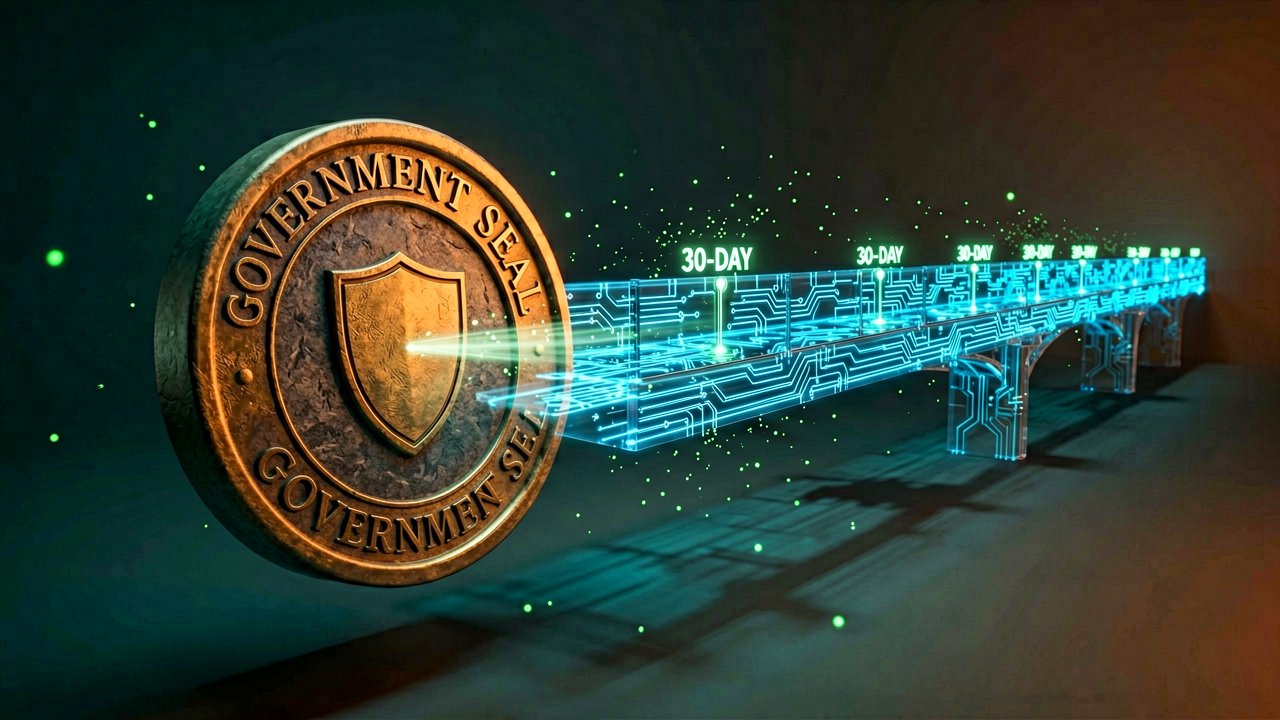
President Donald J. Trump signed the "Promoting Advanced Artificial Intelligence Innovation and Security" executive order on June 2, 2026, marking an analytical turning point in federal technology oversight. This directive pivots from rigid, mandatory frameworks toward a market-driven, voluntary model aimed at securing "covered frontier models" without imposing heavy compliance burdens on developers. Legal and strategic advisors at A&O Shearman highlight that the policy seeks to balance serious national security considerations against a fierce global race for technological dominance, primarily against adversaries like China.
The core mechanism of the directive invites artificial intelligence developers to participate in a benchmarking process and grant the federal government early access to advanced systems for up to 30 days prior to broad public deployment. This framework explicitly stops short of mandatory government pre-clearance, licensing, or permitting regimes. Industry metrics from The White House indicate that the administration intends to leverage these voluntary windows to harden critical infrastructure and establish a standardized approach to tracking software vulnerabilities across executive departments.
Market reactions reflect a mix of relief regarding the avoidance of heavy-handed regulation and scrutiny over how the voluntary measures will shape procurement rules. The directive gained momentum following intense policy debates sparked by breakthroughs in offensive capabilities, such as automated software vulnerability discovery. To streamline defense efforts, the order instructs the Treasury Department to cooperate with tech firms to launch a cybersecurity clearinghouse that unifies national efforts around discovery, validation, and patching.
The Voluntary Framework and Frontier Model Vetting
The 30-day early-access review model addresses deep-seated fears within the intelligence community that cutting-edge AI could exponentially accelerate cyber warfare capabilities. By anchoring the framework in voluntary compliance, the administration avoids immediate legal gridlock with Silicon Valley while still building a collaborative sandbox with major lab operators. Legal analysts note that while developers are not statutory captives to this process, future government procurement eligibility and public-sector trust will likely depend on participation.
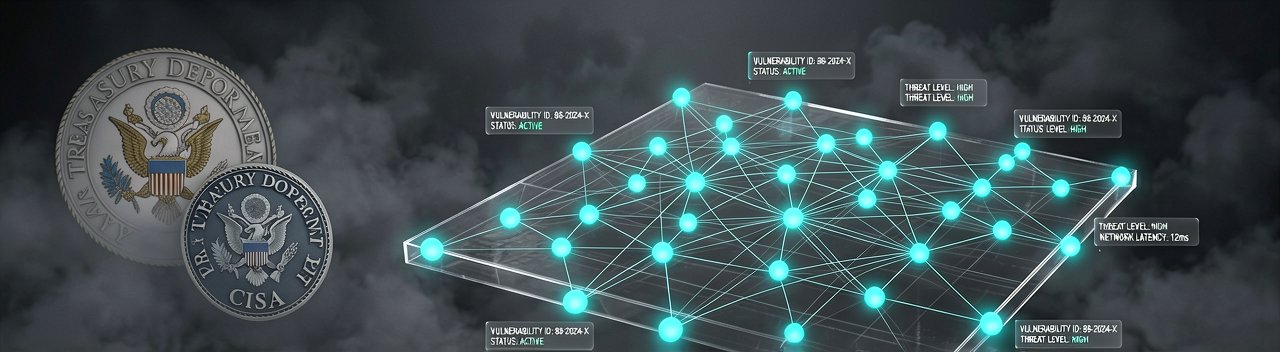
Operationalizing the Cybersecurity Clearinghouse
Tasking the Treasury Department and the Cybersecurity and Infrastructure Security Agency to build a vulnerability clearinghouse moves the focus from model theory to operational cybersecurity. This collaborative hub is designed to receive and act upon data gathered during early model assessments to proactively secure vital private and public networks. By creating a unified portal for reporting, the administration attempts to prevent a chaotic, fragmented approach to threat remediation across disparate economic sectors.
Federal Tech Procurement and Strategic Implications
The directive utilizes federal buying power as a secondary enforcement lever to shape corporate behavior and establish default safety parameters. Increased funding allocations and hiring pipelines through the U.S. Tech Force initiative aim to bring top-tier tech talent into public infrastructure roles. Consequently, companies participating in the voluntary vetting process will secure a distinct competitive advantage in winning defense contracts, shifting market incentives without relying on explicit legislative bans.
Reading Between the Lines: The Friction of Voluntary Governance
Reading Between the Lines: The administration’s reliance on a voluntary 30-day vetting window rests on the fragile assumption that tech conglomerates will willingly expose their most valuable intellectual property to federal scrutiny. While the order attempts to sweeten the deal with procurement incentives, it creates an inherent contradiction. Silicon Valley’s business model thrives on rapid, iterative deployments where a single week's delay can cost millions in market capitalization. Forcing a 30-day artificial pause on "covered frontier models" creates a severe commercial bottleneck that companies will inevitably seek to bypass by slightly modifying model parameters to fall just below the regulatory definition of a frontier system.
Furthermore, the structural integration of the Cybersecurity and Infrastructure Security Agency alongside the Treasury Department introduces a volatile mix of institutional cultures. Historically, defense and intelligence agencies view vulnerability data as a tightly guarded asset to be hoarded for offensive operations or counter-espionage. Conversely, commercial enterprises and civilian infrastructure operators require immediate, transparent disclosure to patch their systems. By attempting to merge these conflicting mandates into a single cybersecurity clearinghouse, the directive risks administrative gridlock, where bureaucratic turf wars over data classification could delay the rollout of critical digital defenses.
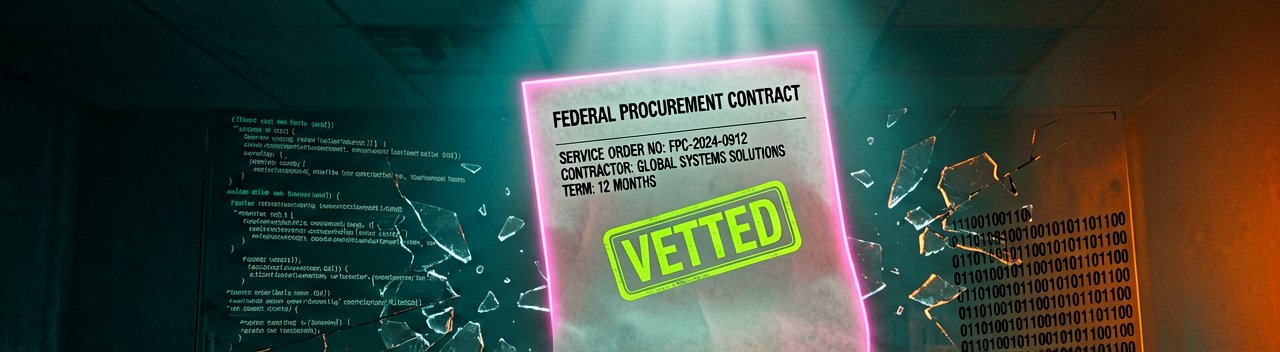
Projecting the market implications reveals an unintended consequence: the potential strangulation of open-source artificial intelligence innovation. While well-capitalized tech giants possess the legal teams and compliance budgets to navigate federal benchmarking, independent developer communities do not. If federal procurement and supply-chain rules begin prioritizing closed, pre-vetted proprietary systems, the vibrant open-source ecosystem could be effectively locked out of public-sector infrastructure. This shift would heavily concentrate market power within a handful of entrenched corporate players, ultimately reducing the diversity of the nation's digital defense architecture.
"In Washington, a 'voluntary framework' backed by billions in federal contract leverage is less of an invitation to collaborate and more of an offer Silicon Valley simply cannot afford to refuse—proving once again that the most effective regulatory enforcement mechanism is still a massive government checkbook."
Artūras Malašauskas is an AI Systems Integrator with 20+ years of production-grade web engineering experience. He has designed, shipped, and scaled enterprise Python/PHP systems for logistics, SaaS, and public-sector clients. For the past year, he has focused exclusively on AI integrations: deploying open-source LLMs, building generative media pipelines (image, audio, video), and engineering multi-agent workflows for real production environments. His standard: reproducibility, security, cost-efficient inference—no vaporware. He documents and evaluates emerging AI tooling, separating verified capabilities from marketing noise. Technical editor at: muza-ai.eu, ai-verslas.lt, ai-naujinos.lt Connect on LinkedIn
Comments