A New Silicon Order: Microsoft Surface Laptop Ultra and ASUS ProArt P16 Welcome NVIDIA’s Arm-Based Superchip
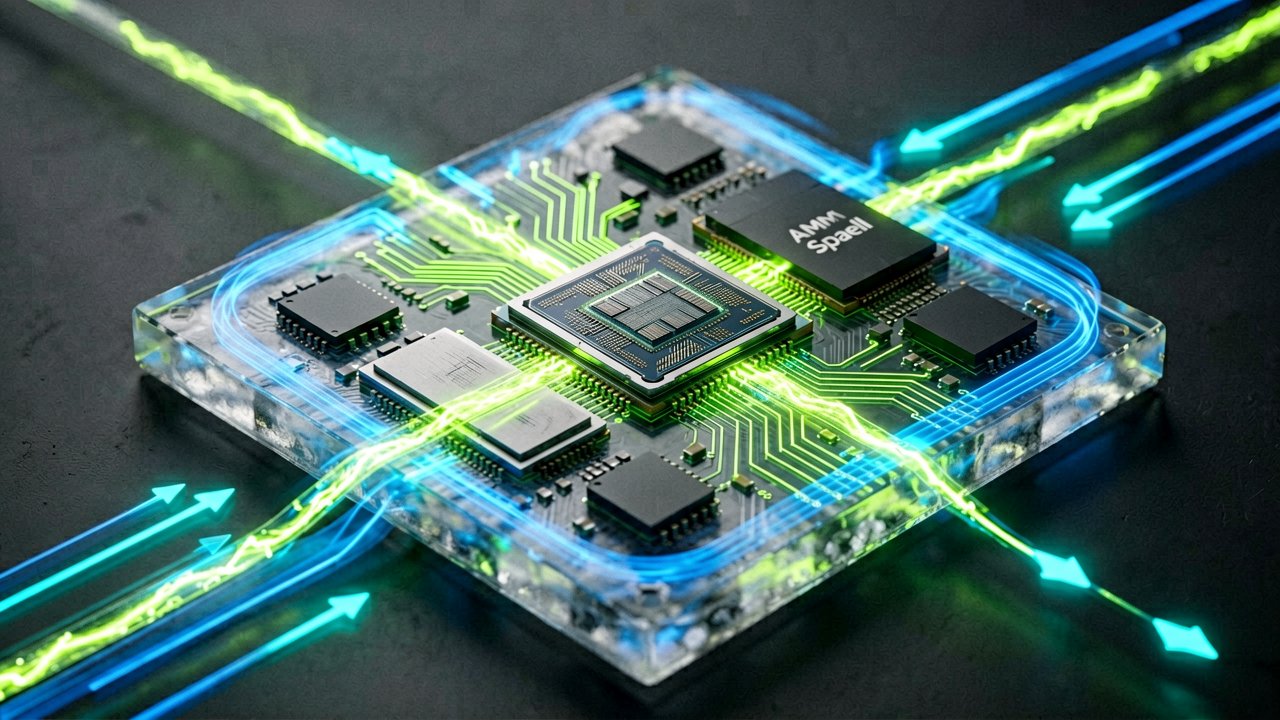
The premium laptop landscape just experienced a seismic shift at Computex 2026 in Taipei, where NVIDIA CEO Jensen Huang took the stage to announce the highly anticipated RTX Spark system-on-chip (SoC). Developed as a joint effort with MediaTek, this new 3nm ARM-based superchip pairs a 20-core NVIDIA Grace CPU with a monolithic Blackwell RTX GPU boasting 6,144 CUDA cores. By integrating these components onto a unified memory architecture supporting up to 128GB of LPDDR5X RAM, the chip bypasses traditional hardware bottlenecks. The architectural leap offers hardware makers a way to challenge Apple’s M-series dominance in the creative workstation market.
This hardware revelation has quickly materialized into ambitious premium hardware from the industry's biggest players, most notably via the newly unveiled Microsoft Surface Laptop Ultra and the ASUS ProArt P16. Slated for a fall release, both machines are engineered from the ground up for agentic AI processing, local execution of 120-billion-parameter large language models, and grueling 12K video editing workflows. While they share the exact same underlying RTX Spark platform, the way Microsoft and ASUS have wrapped this silicon showcases fundamentally different philosophies on what a modern mobile workstation should be.
Chassis, Ergonomics, and Creative Philosophies
Microsoft's approach with the Surface Laptop Ultra leans heavily into clean, minimalist aesthetics, aiming to deliver a seamless, first-party Windows on ARM experience. It acts as the ultimate flagship showcase for Microsoft's evolving ecosystem, utilizing a sleek, precision-machined aluminum chassis. ASUS, by contrast, targets the traditional creative professional directly with the ProArt P16. Built using a specialized CNC manufacturing process, the ProArt manages to be 13% thinner than its predecessor while arriving in distinct Nano Black and Neo White colorways. ASUS also brings targeted physical ergonomics to the table, such as specialized input dial controls designed to streamline timeline scrubbing and brush adjustments in creative suites.
Display Tech and Visual Fidelity
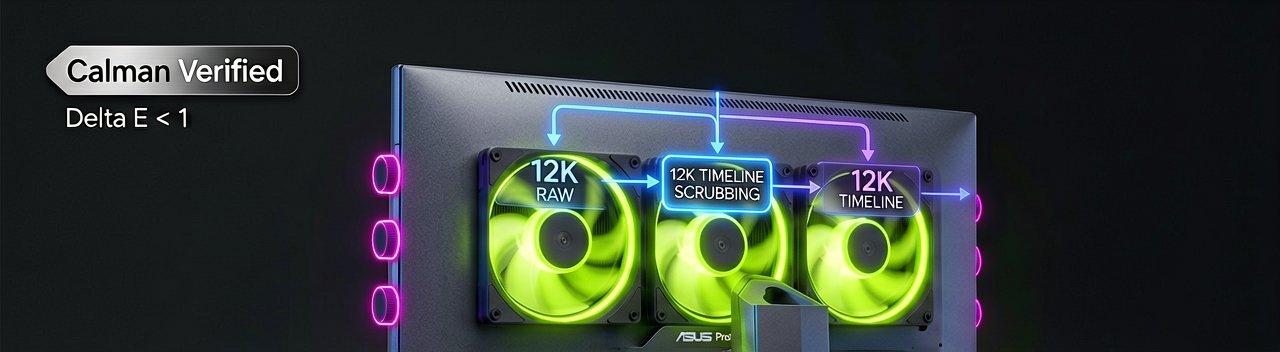
The divergence becomes even more apparent when looking at the displays. Microsoft opts for an ultra-premium visual layout optimized for versatile productivity, developers, and creators alike. ASUS counters with its proprietary Lumina Pro OLED touchscreen technology, deploying a 16-inch 16:10 4K Tandem OLED panel that pushes a striking 1,600 nits of peak brightness. The ProArt P16 panel is Calman Verified with a Delta E of less than one for absolute color accuracy, covering 100% of the professional DCI-P3 color gamut. It also integrates NVIDIA G-Sync and a variable refresh rate to guarantee stutter-free playback during complex 3D rendering tasks.
Ecosystem Optimization and AI Integration
Under the hood, the baseline technical differences extend into software co-engineering. Microsoft has collaborated directly with NVIDIA to bake native security primitives and an open-source framework called NVIDIA OpenShell into Windows, ensuring that autonomous personal AI agents can run securely on primary local storage. ASUS leverages this raw processing power by bundling its own proprietary local generative AI apps and optimized creative workflows. Furthermore, software ecosystems are pivoting quickly to match this hardware shift, with Adobe rearchitecting applications like Premiere and Photoshop from scratch to secure a twofold performance increase under the RTX Spark architecture, as noted by NVIDIA News.
Technical Specifications Matrix
| Specification Metric | Microsoft Surface Laptop Ultra | ASUS ProArt P16 |
|---|---|---|
| Speed / Latency | Ultra-low system latency via direct OS-level kernel integration; optimized for instantaneous local token generation and persistent background agent execution. | High-throughput rendering speeds; optimized via proprietary cooling profiles for sustained heavy compute and multi-stream 12K video timeline scrubbing. |
| Model Size / Parameters | Native support for up to 120-billion-parameter local models using specialized quantization and unified memory partitioning. | Optimized for running dense multi-modal models simultaneously alongside heavy 3D rendering and creative application overhead. |
| Hardware Requirements | Configured with up to 128GB LPDDR5X unified memory, custom vapor chamber cooling, and high-efficiency power envelope tailored for sleek chassis profiles. | Configured with up to 128GB LPDDR5X unified memory, advanced tri-fan thermal design with liquid metal, and specialized creative dial input peripherals. |
Decoding the Silicon Architecture
The shared architecture of the NVIDIA RTX Spark SoC introduces a massive shift in how these mobile workstations handle memory overhead. By implementing a unified memory architecture, both the Microsoft Surface Laptop Ultra and the ASUS ProArt P16 eliminate the traditional PCIe bus bottleneck that historically slowed communication between the CPU and the discrete GPU. With up to 128GB of LPDDR5X RAM accessible instantly by the 6,144 Blackwell CUDA cores, large language models can reside entirely within the system's active memory pool. This massive pool allows the local execution of highly complex 120-billion-parameter models that previously required dedicated server architecture to run smoothly.
Microsoft capitalizes on this layout by focusing heavily on operational responsiveness and ultra-low system latency. The Redmond engineers have tied the Windows kernel directly into the RTX Spark’s hardware schedulers, allowing the operating system to dynamically assign background agent tasks without interrupting active user workflows. This tight software-to-silicon integration ensures that local AI productivity tools can listen, parse, and execute background file organizations or code compilations with negligible input lag, maximizing the efficiency of the ARM-based Grace CPU cores.
ASUS channels this exact same hardware capability toward raw, sustained rendering throughput for multimedia creators. Because creative software like Adobe Premiere and various 3D rendering engines demand continuous power over hours of active compilation, the ProArt P16 relies on a more aggressive hardware implementation. ASUS utilizes a specialized tri-fan thermal layout complete with liquid metal thermal compounds to keep the 3nm SoC operating at its highest possible clock speeds without thermal throttling. This aggressive cooling strategy allows the Blackwell GPU component to maintain peak wattage for extended periods, translating into smooth timeline scrubbing across multiple streams of uncompressed 12K video footage.
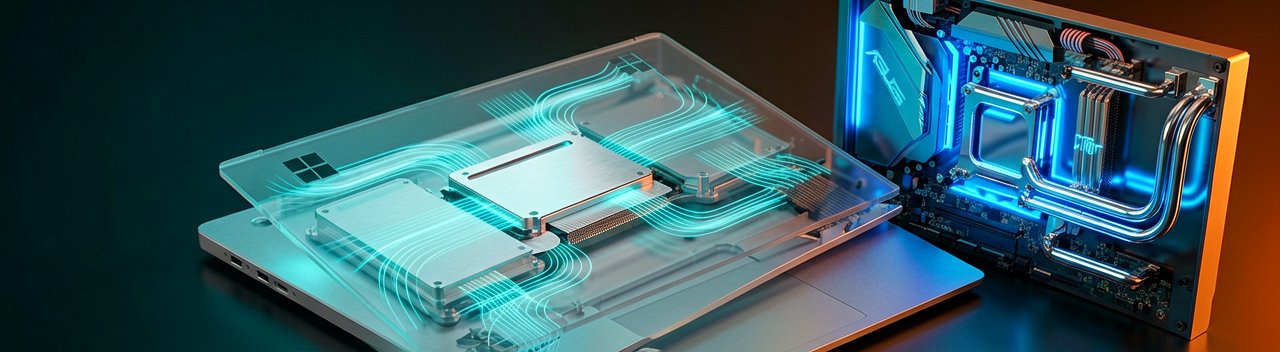
Ultimately, the performance profile of each machine comes down to how they manage their hardware resources under heavy loads. The Surface Laptop Ultra operates like a finely tuned instrument, prioritizing thermal comfort, silent operation, and immediate responsiveness for multi-tasking and AI developer workflows. The ProArt P16 functions more like an unbridled desktop replacement, letting the RTX Spark SoC flex its full computational muscle by pulling more power and relying on advanced cooling to deliver maximum rendering speeds. These distinct execution philosophies demonstrate that even when two premium machines share the same cutting-edge silicon foundation, their underlying hardware optimization entirely shapes the final user experience.
Editorial Pros & Cons
| Laptop Model | Operational Advantages (Pros) | Operational Disadvantages (Cons) |
|---|---|---|
| Microsoft Surface Laptop Ultra | Flawless Windows kernel optimization; completely silent operation under standard workflows; unmatched battery efficiency for a workstation; superior local AI agent responsiveness. | Conservative thermal throttling during extended rendering sessions; lacks specialized physical hardware dials; limited port selection compared to industrial rivals. |
| ASUS ProArt P16 | Sustained peak performance due to advanced liquid metal cooling; dedicated physical creative dial inputs; brilliant 1,600-nit Tandem OLED panel; generous legacy port selection. | Noticeable fan noise under maximum workloads; shorter battery life when pushing full rendering power; bulkier chassis footprint; proprietary software suite adds system overhead. |
The Creative Workstation Divide
Reading Between the Lines: The choice between these two machines does not actually come down to the silicon inside them, but rather how much acoustic chaos you are willing to tolerate in the pursuit of raw export speeds. Microsoft has engineered a beautifully sterile machine that feels like the future of mobile computing, leveraging the efficiency of the ARM architecture to keep things cool, quiet, and fast enough for 90% of daily technical workflows. By prioritizing system latency and background AI orchestration over sustained high-wattage thrashing, the Surface Laptop Ultra caters perfectly to software developers, prompt engineers, and creators who value focus and battery longevity over brute forcing a rendering queue.
ASUS represents the old-school muscle car philosophy stuffed into a modern CNC-machined frame. They recognized that professional video editors and 3D animators do not care about silent operation if a fan profile costs them twenty minutes on a tight deadline. By opting for a tri-fan cooling system and applying liquid metal directly to the RTX Spark superchip, the ProArt P16 aggressively squeezes every drop of processing juice out of the Blackwell GPU architecture. It is an unapologetic desktop replacement that sacrifices the whisper-quiet elegance of the Surface in order to ensure that an uncompressed 12K video timeline remains perfectly buttery during intensive multi-cam edits.
This leaves creative professionals at a fascinating crossroads where the definition of efficiency has officially fractured. Choosing the Surface Laptop Ultra means embracing a highly optimized ecosystem where the hardware and software are tuned to sip battery while handling heavy computational tasks in short, bursty intervals. Selecting the ProArt P16 means accepting a traditional workstation reality where maximum performance requires loud fans, a massive power brick, and a stunning OLED display that demands significant power but rewards the eyes with absolute color perfection. It is a classic battle of ecosystem elegance versus raw, unadulterated thermal dominance.
"We have finally reached the point where mobile workstations can process billions of parameters locally while sitting in a coffee shop, yet we still cannot escape the ultimate law of computing: you can either have a laptop that quietly sips power like a scholar, or one that roars like a jet engine to save you thirty seconds on a 3D render."
Artūras Malašauskas is an AI Systems Integrator with 20+ years of production-grade web engineering experience. He has designed, shipped, and scaled enterprise Python/PHP systems for logistics, SaaS, and public-sector clients. For the past year, he has focused exclusively on AI integrations: deploying open-source LLMs, building generative media pipelines (image, audio, video), and engineering multi-agent workflows for real production environments. His standard: reproducibility, security, cost-efficient inference—no vaporware. He documents and evaluates emerging AI tooling, separating verified capabilities from marketing noise. Technical editor at: muza-ai.eu, ai-verslas.lt, ai-naujinos.lt Connect on LinkedIn
Comments