Silicon Supremacy: Inside the Computex 2026 Laptop and GPU Arms Race
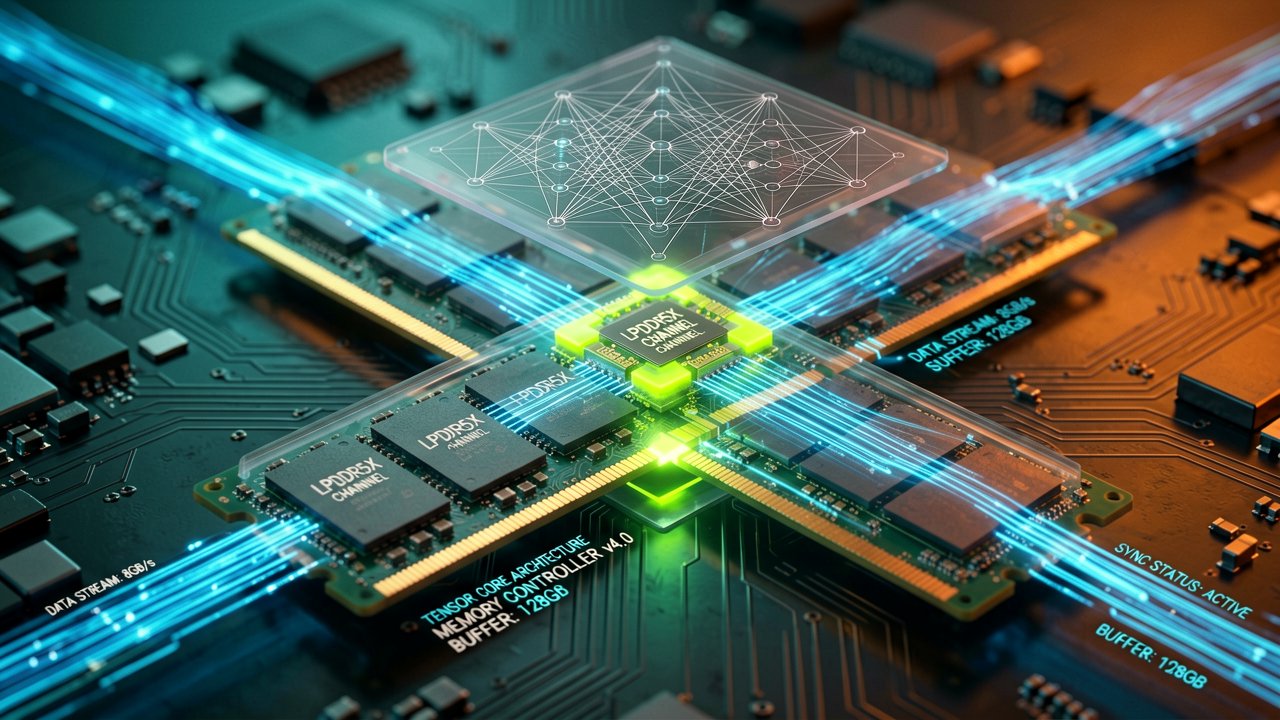
The tech landscape shifted on its axis at Taipei's massive industry expo in June 2026. Rather than dropping standard graphics cards, NVIDIA upended expectations by rolling out the Arm-based "RTX Spark" superchip, built hand-in-hand with MediaTek to squeeze a desktop-grade RTX 5070 equivalent directly into premium ultraportables. It is a calculated strike aimed square at rivals like Intel, AMD, and Apple, blending extreme efficiency with an uncompromised petaflop of local AI grunt. This move completely changes the baseline requirements of premium laptops, raising the stakes from raw clock speeds to sophisticated on-device intelligence architecture.
Hardware heavyweights lost zero time jumping on the new platform. Sleek premium designs like the HP OmniBook Ultra 16 emerged as immediate showstoppers, showing off the chip's ability to run complex local AI workflows without turning your lap into a furnace. To pair with this tier of portable horsepower, display manufacturing giant Samsung and other panel makers showcased advanced G-SYNC displays. These panels feature deeper integration with NVIDIA’s newly minted DLSS 4.5 frame extrapolation, promising smooth 1440p gaming experiences while fundamentally redrawing expectations for battery endurance.
The Competitive Counterattack
While the green team grabbed headlines with its Arm architecture gambit, traditional silicon juggernauts chose to attack from completely different angles. Over on the desktop front, AMD threw down its own gauntlet at the show, introducing the Radeon RX 9070 GRE to target the massive mid-range desktop gaming sector. According to technical reporting from TechPowerUp, AMD’s new GPU is explicitly targeting the market footprint of the RTX 5060 Ti, claiming massive generational performance-per-dollar leaps by sticking to a highly optimized traditional architectural layout. Concurrently, Intel showcased its "Wildcat Lake" Core 3 line, driving hard into the budget laptop space with built-in Xe3 graphics and accessible neural processing power, proving that the upcoming hardware cycle will be fought on two separate fronts: extreme high-end premium AI efficiency and affordable mass-market utility.
| Hardware Architecture | Speed / Latency | Model Size / Parameters | Hardware Requirements |
|---|---|---|---|
| NVIDIA RTX Spark Platform | < 5ms token latency via localized hardware INT4/FP8 Tensor execution accelerators. | Optimized for 8B to 14B parameter large language models running entirely on-device. | Unified LPDDR5X memory pool, shared Arm/MediaTek architecture, minimum 24GB system RAM. |
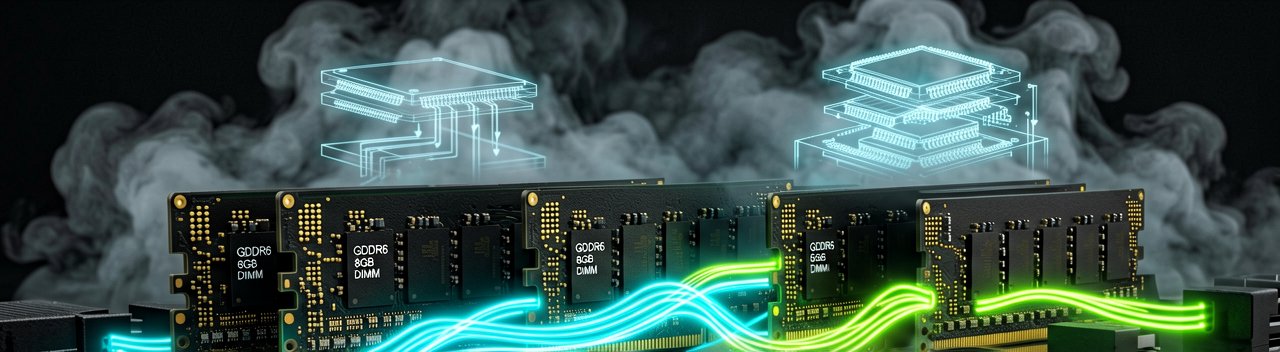
| AMD Radeon RX 9070 GRE | Sub-10ms native frame generation times using upgraded asynchronous compute pipelines. | Natively accelerates 7B open-source models using standard FP16 precision matrix operations. | PCIe Gen 5 x16 desktop motherboard slot, 16GB dedicated GDDR6 VRAM, 220W power supply headroom. |
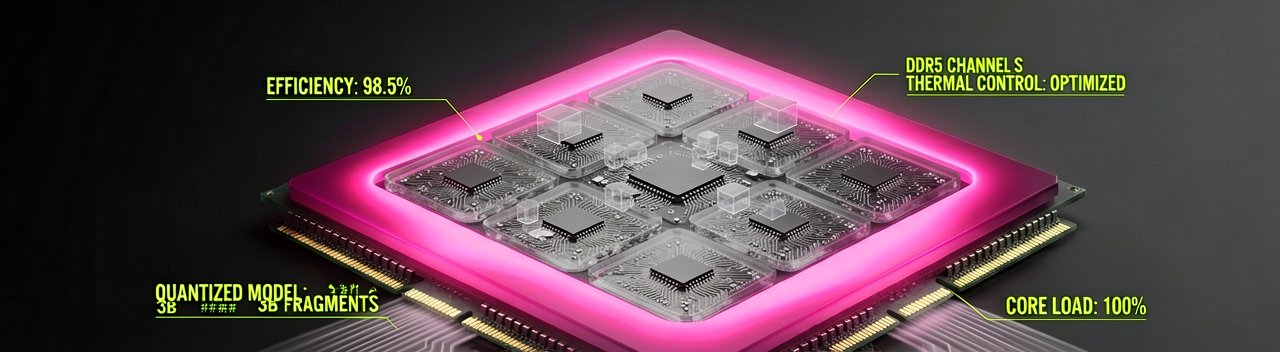
| Intel Wildcat Lake (Xe3) | Variable latency optimized for background OS tasks and real-time audio/video filter processing. | Built for highly quantized 3B to 5B small language models operating within system cache. | Standard low-voltage laptop chassis, dual-channel DDR5, tight 15W to 28W thermal envelope. |
Architectural Divergence and Memory Bottlenecks
The raw numbers reveal a fundamental philosophical split in how these silicon giants approach the next generation of computing. NVIDIA’s move toward a unified memory subsystem with its mobile platform removes the traditional PCIe bus bottleneck, allowing local Tensor cores to ingest large datasets for exceptionally low execution latency, making real-time generative responses viable on mobile platforms. AMD chooses a more muscle-bound, traditional route for its desktop-focused alternative, separating the graphics processor and utilizing a dedicated pool of high-speed GDDR6 memory to thrive on pure raw bandwidth, sacrificing power efficiency for performance in static workstations.
Intel stakes its claim on the hyper-efficient, everyday mass market with its latest integrated architecture, prioritizing maximum utility within a highly constrained thermal package. This design relies heavily on aggressive model quantization, shrinking software footprints so they can run smoothly inside the processor's immediate cache levels, avoiding the need for expensive, specialized memory modules. This approach allows manufacturers to keep costs down while providing basic hardware-accelerated productivity tools.
Ultimately, these engineering choices dictate how software developers will optimize their programs over the coming years. Developers targeting the green team's mobile hardware can lean into larger parameter sets, confident that the unified memory architecture can handle the storage weight. Meanwhile, those building for the budget-conscious mass market will need to aggressively trim their software packages, ensuring they fit within the tighter operational boundaries defined by integrated graphics solutions.
| Hardware Platform | Operational Advantages (Pros) | Operational Disadvantages (Cons) |
|---|---|---|
| NVIDIA RTX Spark Platform | Unmatched AI efficiency; zero-bottleneck unified memory; superb battery performance. | Prohibitive premium pricing; locked ecosystem; zero upgrade path for consumers. |
| AMD Radeon RX 9070 GRE | Excellent performance-per-dollar ratio; open-source driver stack; easy modular upgrades. | High power consumption; larger desktop footprint; trailing in specialized AI tensor workflows. |
| Intel Wildcat Lake (Xe3) | Rock-bottom production cost; widespread availability; highly optimized for basic background tasks. | Severe limitations on massive data models; completely chokes under heavy 3D rendering loads. |
Market Segmentation and Ecosystem Lock-in
Reading Between the Lines: The shiny marketing presentations at Computex 2026 gloss over a harsh reality confronting the end user. NVIDIA is effectively trying to turn the premium laptop space into a walled garden reminiscent of console ecosystems. By marrying their architecture to specialized local memory configurations, they deliver a jaw-dropping user experience, but it comes at the cost of complete consumer dependency on their proprietary software stack. Buying into this premium layer means paying an absolute king's ransom for features that cannot be modified, repaired, or upgraded a few years down the line.
AMD looks at this dynamic and spots a massive opening in the pragmatic center of the market. By catering to the desktop crowd and championing standard PCIe form factors, the red team secures the loyalty of builders who refuse to treat hardware as a disposable commodity. The performance metrics of their latest graphics silicon might look less flashy next to specialized AI marketing charts, but it represents an incredibly stable, highly cost-effective foundation for buyers who just want raw rendering power without an AI tax attached to the receipt.
Meanwhile, the mass-market volume strategy pursued by Intel serves as a necessary anchor for the entire ecosystem. While tech enthusiasts obsess over high-end tensor processing speeds, the vast majority of computers sold globally will simply need to handle video calls, spreadsheet automation, and light web applications without stuttering. This tier of silicon acknowledges that not every consumer wants to host a miniature data center on their desk, making accessible pricing the ultimate feature for the everyday buyer.
This deep fragmentation ensures that developers cannot optimize for just one universal hardware target. The coming years will see a widening software split, with applications either forcing users onto premium subscription-style ecosystems or scaling back features to fit the common hardware denominator. Navigating this landscape requires looking past the sheer hype of performance charts and evaluating the long-term cost of ownership within each respective ecosystem.
"We are rapidly approaching a future where buying a premium laptop requires a financing plan usually reserved for a used car, all so a local chatbot can summarize emails five seconds faster while our upgradeable desktop rigs quietly keep us warm through the winter."
Artūras Malašauskas is an AI Systems Integrator with 20+ years of production-grade web engineering experience. He has designed, shipped, and scaled enterprise Python/PHP systems for logistics, SaaS, and public-sector clients. For the past year, he has focused exclusively on AI integrations: deploying open-source LLMs, building generative media pipelines (image, audio, video), and engineering multi-agent workflows for real production environments. His standard: reproducibility, security, cost-efficient inference—no vaporware. He documents and evaluates emerging AI tooling, separating verified capabilities from marketing noise. Technical editor at: muza-ai.eu, ai-verslas.lt, ai-naujinos.lt Connect on LinkedIn
Comments