The Great Tech Pivot: Why Chips and Pink Slips are Redefining Silicon Valley
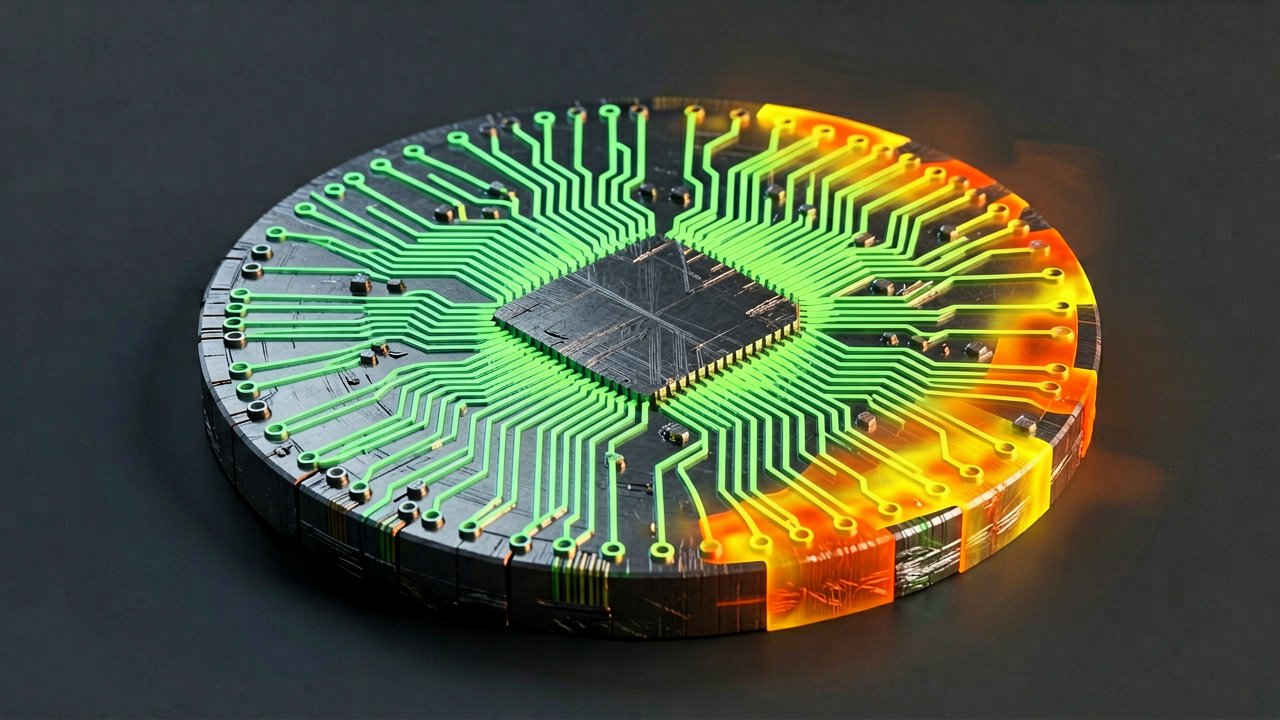
Silicon Valley is officially closing the chapter on pandemic-era hyper-growth and entering a cold, calculated era of structural engineering. In a series of sweeping moves that culminated this month, the tech sector has made it clear that the future belongs to lean operations and hardware autonomy. This strategic realignment is best highlighted by Meta's latest round of targeted workforce reductions and a massive, industry-wide migration toward custom semiconductor development.
For years, tech giants treated headcount as a status symbol, but the tides have turned dramatically. Meta, alongside several peers, executed fresh rounds of layoffs to trim corporate bloat and redirect capital into infrastructure. This isn't just standard cost-cutting; it is a deliberate pipeline shift. The software-first era is giving way to a hardware-driven arms race, where owning the underlying silicon matters more than owning the flashiest office campus.
The Realignment of Big Tech
At the heart of this transition is the sudden realization that relying entirely on third-party chipmakers is a strategic liability. Companies like Meta, Google, and Amazon are pouring billions into developing their own in-house artificial intelligence processors. By designing proprietary semiconductors, these platforms can optimize workloads, slash long-term cloud computing costs, and decrease their dependence on supply chain bottlenecks that have plagued the industry for years. As detailed by Reuters, the massive capital expenditures pouring into specialized data centers are fundamentally shifting how tech companies balance their books.
Fewer Marketers, More Engineers
The human cost of this hardware pivot is reflected in the changing composition of the workforce. The roles being phased out are largely in middle management, recruiting, and non-technical marketing divisions. In their place, enterprises are aggressively hiring specialized silicon architects, thermal dynamics engineers, and low-level software developers who can wring every drop of performance out of custom chips. It is a harsh but necessary evolution for companies trying to survive the next decade of intensive AI computation.

Ultimately, the dual phenomena of semiconductor independence and operational downsizing are two sides of the same coin. Silicon Valley is shedding its soft, experimental layers to harden its core technological foundation. The businesses that survive this transition will be smaller in human numbers, but exponentially more powerful in raw computing capacity.
Behind the Scenes: The structural overhaul transforming tech companies like Meta is not a sudden panic response, but rather the execution of a multi-year blueprint designed to solve an expensive computing bottleneck. For over a decade, Silicon Valley operated on a relatively simple formula where scaling up meant expanding head count and renting massive allocations of generic cloud server space. However, the unexpected computing demands of contemporary artificial intelligence architectures completely broke this traditional spending model, forcing boards of directors to aggressively reallocate corporate funds.
Industry insiders point out that keeping thousands of non-technical workers on the payroll became unsustainable when single cutting-edge server clusters began costing hundreds of millions of dollars to acquire and maintain. Executives quickly realized that achieving true efficiency required optimizing everything from the physical motherboard layout to the specialized operating system instructions. Consequently, tech giants started ruthlessly hacking away at middle management layers to clear out institutional inertia and free up precious capital for custom silicon engineering pipelines.
The Real Cost of Digital Independence
This aggressive operational pivot has completely flipped the script for traditional technology workers who previously enjoyed unmatched job security and lavish corporate perks. Recruiters, ad-sales representatives, and administrative coordinators are finding their positions permanently eliminated as priorities shift toward lean, specialized engineering squads. The talent market now heavily favors professionals who understand structural semiconductor design, advanced thermal cooling infrastructure, and localized data management frameworks.
By moving hardware development completely in-house, these massive consumer platforms are effectively insulating their core business models from outside market disruptions and geopolitical supply vulnerabilities. Relying entirely on external commercial foundries left internet businesses vulnerable to price surges and allocation caps that threatened their long-term growth roadmaps. Developing proprietary processors gives these companies unprecedented control over their technological roadmaps, effectively turning massive platforms into fully integrated hardware and software ecosystems.
Reading Between the Lines: The prevailing corporate narrative frames this massive shift toward custom semiconductors as a masterclass in long-term fiscal efficiency, but a closer look reveals a high-stakes gamble with no guaranteed payoff. Silicon Valley executives confidently assure shareholders that cutting administrative staff and pouring billions into proprietary chip design will eventually lower operational costs. Yet, this strategy overlooks the immense financial risk of entering an unforgiving hardware market where a single design flaw or manufacturing delay can instantly turn a multi-billion-dollar processor investment into obsolete silicon.
Furthermore, there is a glaring contradiction in Big Tech’s sudden obsession with environmental sustainability and resource efficiency. While corporate public relations departments heavily promote their lean operational models and carbon-neutral goals, the actual computing infrastructure required to power these custom AI chips demands unprecedented amounts of electricity and water. This rapid expansion of proprietary data centers threatens to strain local power grids, completely undermining the industry's eco-friendly messaging and inviting stricter regulatory oversight from skeptical governments around the world.
The Real Risks of Corporate Isolation
By attempting to build completely self-contained technological ecosystems, these tech giants are also inadvertently cutting themselves off from the collaborative, open-source innovation that originally fueled their rise. Isolating software development within highly proprietary hardware environments risks creating rigid silos that stifle creative engineering breakthroughs. If the broader market pivots toward a new computational standard that these in-house chips cannot efficiently support, these companies will find themselves trapped in expensive, outdated tech stacks with no easy exit strategy.
Ultimately, the aggressive workforce reductions and the relentless pursuit of semiconductor independence might not be a proactive strategy for future growth, but rather a defensive reaction to flattening consumer engagement. Trimming head count allows companies to artificially boost profit margins in the short term, masking the reality that their core digital advertising and software services are maturing. If these massive investments in custom hardware fail to generate entirely new revenue streams, Silicon Valley will be left with significantly fewer workers, incredibly expensive server farms, and the exact same stagnating business models.
Silicon Valley has successfully replaced its bloated middle management with incredibly expensive, custom-designed silicon, proving once and for all that the tech industry will gladly spend five dollars on engineering just to avoid paying two dollars for human coordination.
Artūras Malašauskas is an AI Systems Integrator with 20+ years of production-grade web engineering experience. He has designed, shipped, and scaled enterprise Python/PHP systems for logistics, SaaS, and public-sector clients. For the past year, he has focused exclusively on AI integrations: deploying open-source LLMs, building generative media pipelines (image, audio, video), and engineering multi-agent workflows for real production environments. His standard: reproducibility, security, cost-efficient inference—no vaporware. He documents and evaluates emerging AI tooling, separating verified capabilities from marketing noise. Technical editor at: muza-ai.eu, ai-verslas.lt, ai-naujinos.lt Connect on LinkedIn
Comments