Google and Samsung are Finally Making Smart Glasses You’ll Actually Want to Wear
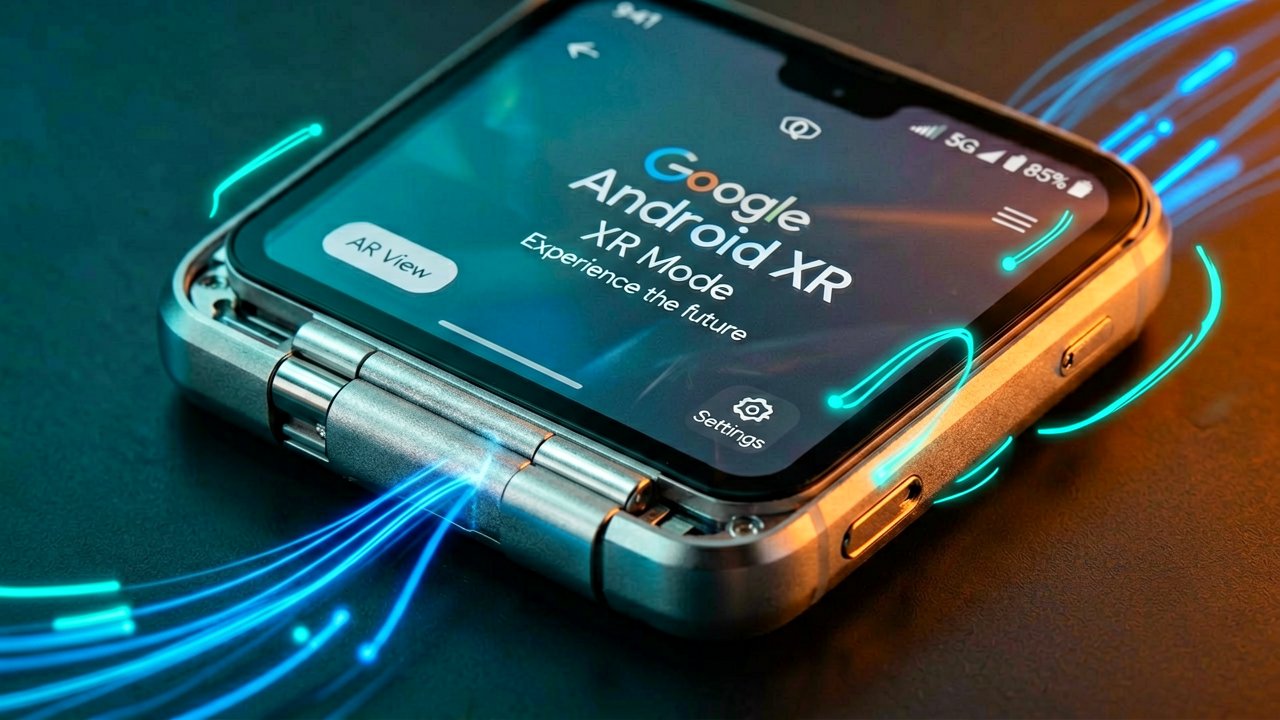
For years, the dream of smart glasses has been stuck in a cycle of "too bulky" or "too creepy." But at Google I/O 2026, we finally got a look at something different. Google and Samsung have officially joined forces to launch a new line of "Intelligent Eyewear" powered by the long-awaited Android XR platform. This isn't just another tech experiment; it’s a full-scale push to move the internet from our pockets to our eyeballs, and they've brought some heavy hitters in the fashion world along for the ride.
By partnering with brands like Android Authority highlights—Warby Parker and Gentle Monster—they're attacking the biggest hurdle: style. The hardware is remarkably slim, aimed at looking like ordinary glasses rather than a sci-fi prop. While Samsung is building the hardware and Google provides the software, the real "brain" here is Gemini AI, which turns these frames into a multimodal assistant that can see and hear the world alongside you.
Two Paths to Mixed Reality
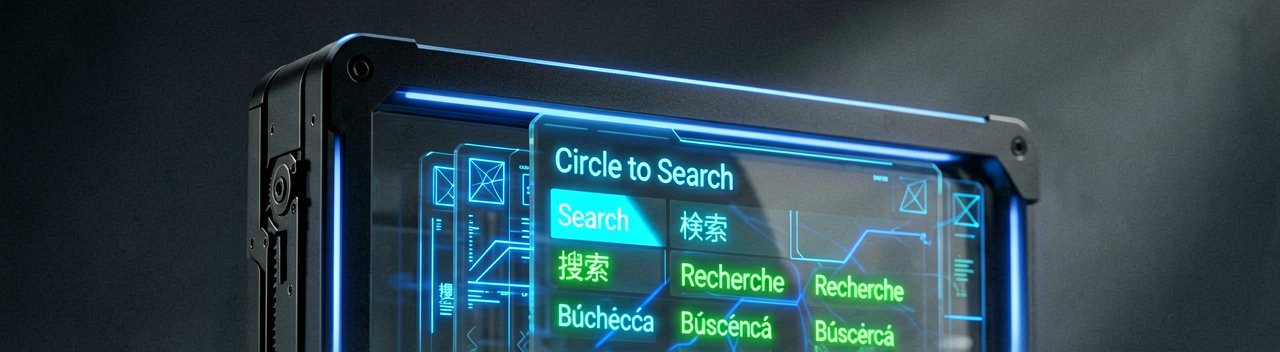
The strategy seems to be a two-tier attack on the market. First, there are the lightweight "audio-only" glasses, which focus on voice interactions, notification summaries, and AI assistance without a display. These are the direct answer to Meta’s Ray-Bans, intended for all-day wear. Then there's the more ambitious "display" model, which reportedly features an in-lens heads-up display. This version, as noted by 9to5Google, is expected to drop in "Fall" 2026 and will likely handle more complex tasks like real-time navigation and "Circle to Search" for real-world objects.
The Gemini Advantage
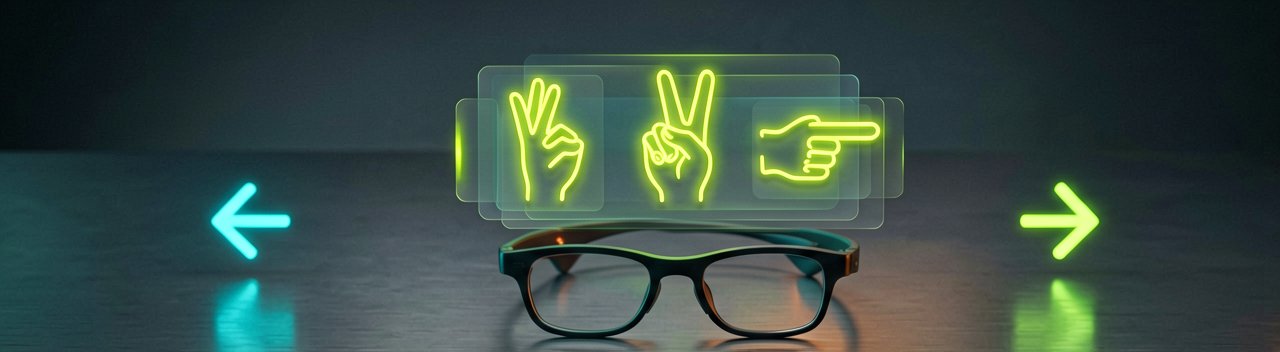
What makes this collaboration potentially "disruptive" is how deeply the Android XR ecosystem is integrated with Google’s Project Astra. This isn't just about reading your texts out loud. We’re talking about an assistant that can remember where you left your keys or translate a foreign menu in real-time as you look at it. According to Wired, these devices are designed to bridge the gap between bulky headsets like the Galaxy XR and everyday accessories, using hand gestures and voice to navigate a "strips-down" version of Android XR that doesn't kill the battery in twenty minutes.
What Most Reports Miss: The Quiet War for the Face
Beyond the hardware specs: The real story isn't just about Samsung’s manufacturing prowess or Google’s AI; it’s a desperate race to reclaim the "default interface" from Meta. For years, Google has been sidelined in the wearables space, watching the Ray-Ban Meta glasses become a surprise cultural hit while their own internal XR projects shuffled through leadership changes. This Samsung-Google alliance represents a massive consolidation of the Android ecosystem to prevent Apple and Meta from owning the next decade of personal computing.
Industry insiders suggest that the partnership with Warby Parker and Gentle Monster is far more than a marketing gimmick. By integrating prescription lens services directly into the launch phase, Google is addressing the friction that killed previous iterations like Google Glass. They have realized that for a wearable to succeed, it must first be a functional piece of eyewear that people feel confident wearing in a professional or social setting without looking like a tech demo.
Historically, Google’s hardware attempts have been hampered by a lack of cohesive ecosystem support, but Android XR changes the math. This platform is designed as a unified foundation, allowing developers to build apps once that scale from a simple "heads-up" notification on glasses to a fully immersive environment on a headset. This technical scalability is meant to entice a developer community that has grown weary of fragmented VR and AR platforms that offer little return on investment.
Samsung’s role here cannot be understated, as they are providing the ultra-compact micro-LED displays and specialized silicon required to keep these frames from overheating. Unlike previous attempts that relied on tethering to a smartphone, these glasses aim for a "semi-tethered" experience where the processing is distributed. This allows the frames to remain light while the phone handles the heavy lifting of Gemini’s multimodal processing via a low-latency wireless link.
Privacy remains the elephant in the room, and sources indicate that the "Intelligent Eyewear" lineup includes a physical privacy shutter and a more prominent LED indicator than its competitors. Google is reportedly terrified of a "Glasshole 2.0" backlash, so they are leaning heavily into "on-device" processing for visual data. This means that while the AI "sees" what you see to provide context, the raw video feed is ostensibly never uploaded to the cloud, a crucial distinction they hope will soothe wary regulators.
The ultimate goal for this partnership is to make the smartphone a secondary device within five years. By moving the most frequent digital interactions—checking a text, following a map, or asking a quick question—to the glasses, Google and Samsung are betting that the "look down" era of the smartphone is reaching its natural conclusion. Whether consumers are ready to trade their privacy and their "screen time" for an always-on digital overlay is the multi-billion dollar gamble currently playing out in Mountain View and Seoul.
Reading Between the Lines: The Friction of a Post-Phone World
The industry is selling us a dream of seamless integration, but the reality of a "post-phone" era is likely to be far messier than the slick keynotes suggest. While Google and Samsung tout the convenience of having Gemini in your line of sight, they are glossing over the inherent contradiction of "calm technology." Putting a constant stream of notifications and AI-generated prompts literally centimeters from our retinas isn't exactly the recipe for digital mindfulness. It’s an aggressive play for our most valuable remaining commodity: our undivided attention.
There is also a significant skepticism regarding the "unified" Android XR platform. We have seen this movie before with Wear OS, where Google’s software vision struggled to harmonize with the varied hardware ambitions of its partners. If Samsung decides to prioritize its own Galaxy-specific features over a clean Android XR experience, we could see the same fragmentation that has plagued the smartwatch market for years. A pair of glasses that only reaches its full potential when paired with a specific flagship phone is a tough sell for a public already suffering from ecosystem fatigue.
Moreover, the battery life claims deserve a raised eyebrow. Physics is a stubborn opponent; driving a micro-LED display while maintaining a constant wireless link to a phone for AI processing eats power at a rate that slim frames struggle to accommodate. If these "all-day" glasses actually require a mid-day top-off or become uncomfortably warm during a navigation session, they will quickly find their way into the same junk drawers as the smartwatches that preceded them. The trade-off between aesthetic slimness and functional longevity remains the industry's unsolved puzzle.
The pivot to fashion brands like Warby Parker also suggests a tactical retreat from the "tech-first" mentality. It is a tacit admission that the technology itself isn't yet impressive enough to win people over on merit alone. By wrapping the sensors in trendy acetate, the companies are hoping social acceptance will act as a Trojan horse for data collection. This strategy might work for early adopters, but the general public has a long memory when it comes to being "observed" by the person sitting across from them at dinner.
Ultimately, the success of this venture hinges on whether the AI is actually useful or just another layer of digital noise. If Gemini becomes a backseat driver that constantly interrupts our lived experience with "helpful" suggestions we didn't ask for, the novelty will wear thin within weeks. The challenge isn't just making the glasses look normal; it’s making the behavior of the person wearing them feel normal in a world that isn't entirely sure it wants to be indexed in real-time.
After a decade of trying to convince us that wearing a computer on our face is the future, big tech has finally realized that the secret isn't better pixels—it's making sure we don't look like we're waiting for a software update while ordering a latte.
Artūras Malašauskas is an AI Systems Integrator with 20+ years of production-grade web engineering experience. He has designed, shipped, and scaled enterprise Python/PHP systems for logistics, SaaS, and public-sector clients. For the past year, he has focused exclusively on AI integrations: deploying open-source LLMs, building generative media pipelines (image, audio, video), and engineering multi-agent workflows for real production environments. His standard: reproducibility, security, cost-efficient inference—no vaporware. He documents and evaluates emerging AI tooling, separating verified capabilities from marketing noise. Technical editor at: muza-ai.eu, ai-verslas.lt, ai-naujinos.lt Connect on LinkedIn
Comments