Dreame’s New X60 Pro Ultra Complete Is a Suction Monster with Moveable Arms
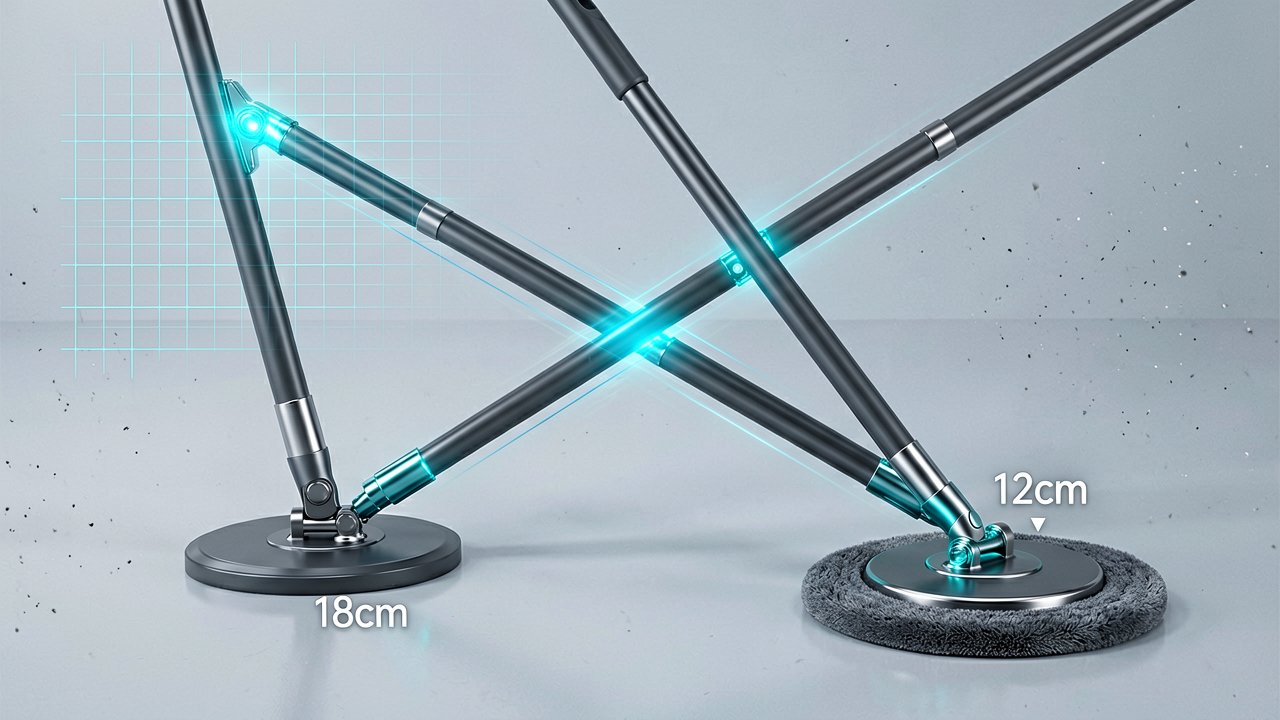
If you thought the robot vacuum arms of last year were just a gimmick, Dreame is here to prove you wrong with its latest flagship, the X60 Pro Ultra Complete. This isn't just a minor refresh; it’s a full-blown powerhouse that feels like it’s finally making the "robotic arm" concept genuinely useful. By doubling down on its bionic technology, Dreame has equipped this model with a Dual UltraExtend Arm system that doesn't just nudge dirt—it reaches for it. The side brush can now stretch out by up to 12cm, while the mop pad extends a full 18cm to hit those pesky corners that traditional circular bots usually ignore, as reported by T3.
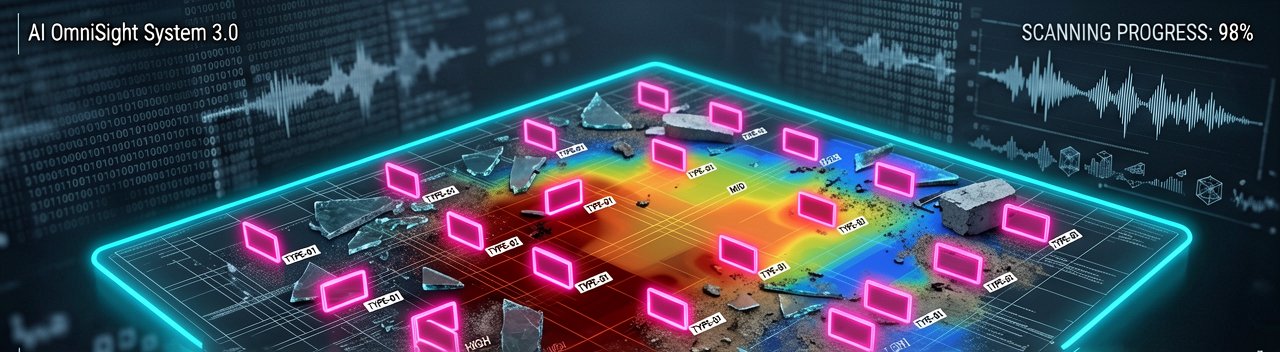
Under the hood, the specs are frankly a bit ridiculous in the best way possible. We’re looking at a staggering 42,000Pa of suction power—a massive jump that puts most of its competitors to shame. To keep all that power from getting bogged down by pet hair, Dreame has tossed in its HyperStream Detangling DuoBrush 2.0. It's clear the company is aiming for a "set it and forget it" lifestyle, especially with the new AI OmniSight System 3.0. According to details from Digital Reviews, this brainy nav-stack can recognize over 320 different object types, meaning it’s less likely to get tripped up by a stray charging cable or a forgotten slipper.
Deep Cleaning and High-Tech Hygiene
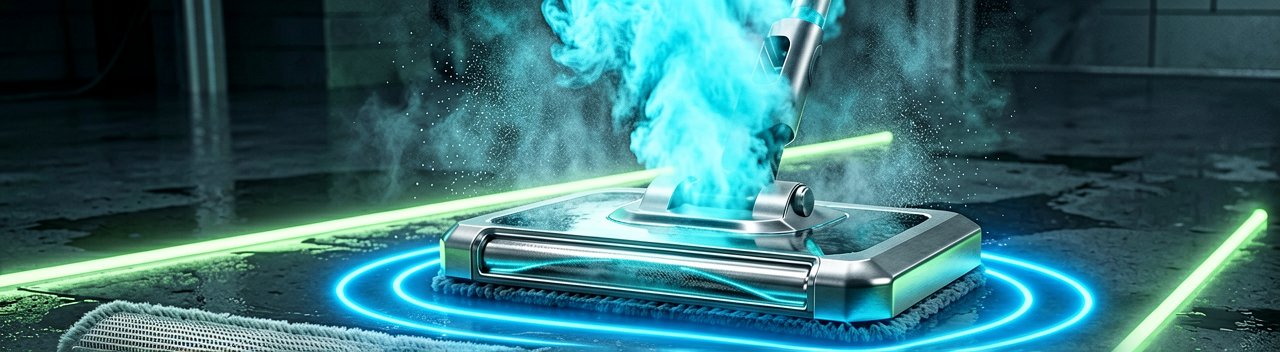
The maintenance side of things is just as over-the-top. The X60 Pro Ultra Complete features a Thermal Deep Mop System that uses 100°C hot water to sanitize the mop pads at the base station. This is a significant step up from the lukewarm washes we’ve seen previously, aimed squarely at tackling greasy kitchen stains and bacteria. For those with messy kids or spill-prone pets, there’s even a blue light detection system designed to spot transparent liquid spills and automatically switch the bot into a mop-only mode to prevent a muddy disaster. Dreame is clearly pushing the boundaries of what a "floor cleaner" is supposed to do, turning what used to be a simple vacuum into a highly specialized autonomous janitor.
What the Spec Sheet Doesn't Tell You: The Engineering Gamble
Behind the Curtains: The jump to 42,000Pa of suction isn't just a bigger number for marketing; it represents a fundamental shift in how Dreame handles airflow and acoustics. In previous generations, cranking up the motor often resulted in a high-pitched whine that made it impossible to hold a conversation in the same room. By re-engineering the internal air ducting and utilizing the HyperStream tech, Dreame is attempting to balance industrial-grade power with domestic civility. This kind of suction is designed less for hardwood and more for the deep-pile carpets where dust mites and dander typically seek refuge from weaker competitors.
Industry insiders have noted that the move toward 100°C hot water washing at the base station is a direct response to the "sour mop" smell that plagued early generations of self-cleaning robots. While 60°C was once the gold standard, it wasn't quite enough to break down proteins or stubborn oils. By hitting the boiling point, Dreame is effectively bringing autoclave-level hygiene into the living room, ensuring that the pads aren't just spreading diluted bacteria across the floor during the next cycle. This shift signals that the "all-in-one" station is no longer just a charging dock, but a miniature chemistry lab for home sanitation.
The Dual UltraExtend Arm system highlights a fascinating historical trajectory in robot vacuum design. For a decade, manufacturers obsessed over "D-shaped" bodies to fix the corner problem, but that shape often led to poor maneuverability. Dreame’s decision to stick with a round chassis while adding articulating limbs shows a preference for mechanical complexity over structural compromise. It's a "best of both worlds" approach that allows the bot to spin freely in tight spots while deploying its reach only when the sensors detect a 90-degree angle or a furniture leg.
There is also a significant play here regarding AI-driven efficiency. The OmniSight 3.0 system doesn't just avoid obstacles; it categorizes them to determine cleaning intensity. For example, if the camera identifies a pet bed, the software can proactively increase suction and deploy the arms to skirt the edges without disturbing the pet. This level of environmental awareness is what separates current flagship models from the "bump-and-run" sensors of five years ago, turning the device into a proactive participant in the home's ecosystem rather than a blind utility.
From a stakeholder perspective, this release puts immense pressure on rivals like Roborock and Ecovacs to justify their own price points. Dreame is aggressively out-spec'ing the market, forcing a tech arms race where suction power and mop temperature are the primary battlegrounds. This competition is great for the consumer, but it raises the bar for long-term reliability. With so many moving parts—the extendable arms, the high-heat water heaters, and the detangling brushes—the real test for the X60 Pro Ultra Complete will be how these mechanical components hold up after a year of daily wear and tear in the average household.
The Price of Pure Performance
Reading Between the Lines: While 42,000Pa of suction makes for a stunning headline, seasoned tech observers know that air wattage and actual debris pickup are rarely linear. There is a looming concern regarding the law of diminishing returns; at a certain point, the seal between the vacuum head and the floor becomes the bottleneck, not the raw power of the motor. If the X60 Pro Ultra Complete cannot maintain a perfect vacuum seal on uneven surfaces, that massive suction figure might simply translate to more noise and higher energy consumption rather than a noticeably cleaner carpet.
The introduction of 100°C water sanitization also brings up a glaring contradiction in the push for "green" appliances. Maintaining a mini-boiler in a base station to flash-heat water to the boiling point is an energy-intensive process that flies in the face of the industry's general trend toward efficiency. Furthermore, there is the question of material fatigue. Repeated exposure to boiling water can accelerate the degradation of rubber seals and plastic tubing within the dock, potentially trading short-term hygiene for long-term mechanical failure. It remains to be seen if Dreame has reinforced the internal plumbing to handle these extreme thermal cycles over a three-to-five-year lifespan.
Furthermore, the reliance on an AI that recognizes 320 distinct objects is a double-edged sword. While it reduces the frequency of the dreaded "tangled in a sock" notification, it creates a massive dependency on software optimization. In the past, we’ve seen "smart" vacuums become dumber after a buggy firmware update, or struggle when lighting conditions don't perfectly match the training data. For the average user, the sophistication of the OmniSight 3.0 system might eventually feel like overkill if it results in a device that spends more time "calculating" its path than actually cleaning it.
There is also the logistical nightmare of the "Complete" ecosystem. With extendable arms, rotating mops, and detangling brushes, the X60 Pro Ultra is a marvel of moving parts. In the world of robotics, every additional motor and hinge is a potential point of failure. By moving away from the simplicity of a static chassis, Dreame is betting that consumers value a perfectly cleaned corner more than the peace of mind that comes with a less complex, more rugged machine. This pivot toward "mechanical maximalism" marks a bold, if risky, era for home automation.
Ultimately, the projection for the flagship market is one of increasing stratification. We are reaching a point where these devices are no longer "appliances" but high-maintenance luxury robots. As Dreame pushes the envelope with features like blue-light spill detection and bionic limbs, they are narrowing their audience to tech enthusiasts who don't mind a bit of troubleshooting in exchange for the absolute cutting edge. For everyone else, the sheer complexity of this machine might serve as a reminder that sometimes, a broom and a bucket don't need a firmware patch to work on Monday morning.
The modern dream is a house that cleans itself, though we’ve seemingly swapped the chore of pushing a vacuum for the new part-time job of managing a robot’s existential crisis every time it encounters a slightly ruffled rug or a stray LEGO brick.
Artūras Malašauskas is an AI Systems Integrator with 20+ years of production-grade web engineering experience. He has designed, shipped, and scaled enterprise Python/PHP systems for logistics, SaaS, and public-sector clients. For the past year, he has focused exclusively on AI integrations: deploying open-source LLMs, building generative media pipelines (image, audio, video), and engineering multi-agent workflows for real production environments. His standard: reproducibility, security, cost-efficient inference—no vaporware. He documents and evaluates emerging AI tooling, separating verified capabilities from marketing noise. Technical editor at: muza-ai.eu, ai-verslas.lt, ai-naujinos.lt Connect on LinkedIn
Comments