Google I/O 2026: The Agentic Era Arrives as Android and ChromeOS Finally Merge

Google I/O 2026 isn't just another developer conference; it's the moment Mountain View finally stopped talking about the future and started shipping it. We've spent years hearing about "AI-first" everything, but today’s keynote felt like the actual pivot point where the chatbot dies and the "agent" takes over. Sundar Pichai and Demis Hassabis didn't just show off better text generation—they unveiled a world where your phone acts like a digital executive assistant that actually knows where you left your car keys and how to reschedule your dentist appointment without you lifting a finger.
The energy at Shoreline was electric, though the real stars of the show weren't even on stage. They were the new "Googlebooks" running a unified Aluminum OS—a long-rumored merger of Android and ChromeOS that essentially kills the Chromebook as we know it in favor of a native, AI-driven desktop experience. According to live reports from The Verge, this shift isn't just about branding; it’s a fundamental rebuild of Android 17 to handle professional-grade multitasking and windowing on a desktop scale.
Gemini 3.5 and the Rise of the 'Spark' Agent
Google's LLM arms race hit a new gear with the debut of Gemini 3.5 Flash and the jaw-dropping Gemini Spark. While Flash is built for pure speed—clocking in at four times the tokens-per-second of its predecessors—Spark is what Google calls a "24/7 AI agent." It’s designed to live in the background, autonomously managing your emails and calendar. As noted by Tom's Guide, this proactive intelligence is part of a new $100-per-month "AI Ultra" tier aimed at power users who need their technology to do more than just answer questions. We also saw Gemini Omni, a "world model" that treats video, audio, and text as a single native language, allowing for real-time interaction with the physical world through your camera.
Android 17: More Than Just a Number
Android 17, or "Gemini Intelligence" as Google is increasingly branding it, is the biggest architectural shift for the platform in a decade. It introduces features like "Rambler," which cleans up your dictated thoughts into polished prose, and a "Create My Widget" tool that builds custom UI elements on the fly based on your natural language requests. Security is getting a massive boost too; Google’s Security Blog detailed a new "Mark as Lost" mode that requires biometric authentication even if a thief has your PIN, effectively bricking stolen devices for anyone but the owner.
Intelligent Eyewear and the Samsung Partnership
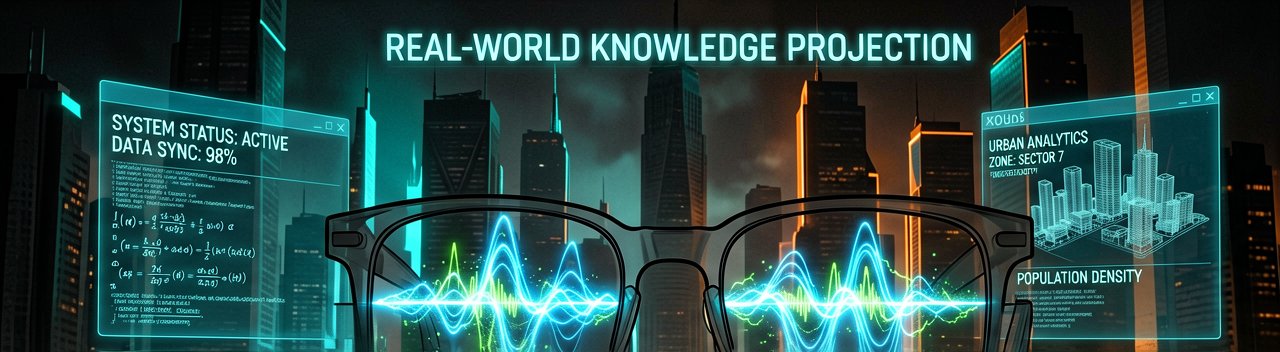
The "One More Thing" moment belonged to Intelligent Eyewear. Developed in deep partnership with Samsung, these aren't the bulky AR headsets of years past. They look like standard frames but function as a head-up display for Gemini, utilizing bone-conduction audio and subtle cameras to provide "real-world knowledge" overlays. As reported by Times of India, these glasses will work with both Android and iOS devices, a savvy move by Google to ensure their AI layer remains the primary way we interact with the world, regardless of the phone in our pocket.
Deep Dive: The Quiet Death of the Silo
What Most Reports Miss: The true story behind Google I/O 2026 isn't just the flashy hardware, but the systematic dismantling of the internal silos that have plagued Mountain View for a generation. For years, the friction between the Android and Chrome teams was the worst-kept secret in tech, leading to redundant features and a fractured ecosystem that allowed Apple to maintain its lead in cross-device continuity. By consolidating under "Aluminum OS," Google is finally admitting that the distinction between a mobile app and a web browser is an artifact of the past. This merger represents a massive internal victory for the "platform unification" faction, signaling a shift toward a single, cohesive codebase that prioritizes agentic performance over legacy branding.
Industry insiders suggest this move was accelerated by the skyrocketing cost of running massive LLMs. Maintaining two separate operating systems while trying to shoehorn high-compute AI into both was becoming a fiscal nightmare even for a giant like Alphabet. By streamlining the architecture, Google can dedicate more silicon to the "Spark" agent, ensuring that the AI has deep, system-level access to everything from your file system to your browser history. This isn't just about making things easier for developers; it’s about creating a unified data lake that Gemini can swim in without hitting the permissions walls that typically exist between mobile and desktop environments.
However, this consolidation has raised eyebrows among antitrust regulators and privacy advocates who have been tracking Google’s movements since the landmark cases of 2024. During the post-keynote breakout sessions, legal experts noted that a unified OS makes it significantly harder for users to "opt-out" of the AI ecosystem. If the agent is the interface, then privacy becomes a binary choice: either you allow Google to index your entire digital life, or you’re left with a device that is essentially a paperweight. The stakeholder tension here is palpable, as Google tries to balance the user's demand for seamless automation with the growing global pressure for data sovereignty.
Historically, Google has struggled to maintain "prosumer" hardware, but the "Googlebook" initiative feels different because of the Samsung partnership. By outsourcing the physical manufacturing and design polish to a partner that understands premium hardware, Google is free to focus on what it does best: the software layer. This collaboration mimics the early days of the Nexus program but with much higher stakes, as Samsung provides the global distribution network necessary to challenge the MacBook’s dominance in the education and enterprise sectors. It’s a strategic retreat from being a hardware company in favor of becoming the indispensable AI utility for everyone else's hardware.
The financial community is particularly focused on the "AI Ultra" subscription model, viewing it as the ultimate test of Google’s ability to monetize its R&D. While some see the $100 price point as aggressive, early enterprise feedback suggests that the productivity gains from a truly autonomous agent could justify the cost for businesses. The challenge will be convincing the average consumer that an AI assistant is a utility on par with a high-speed internet connection or a premium streaming service. Google is betting that once users experience a week where they never have to manually input a calendar event or sort an inbox, they will find the subscription fee indispensable.
The Friction of a Frictionless Future
Reading Between the Lines: The sheer technical audacity of Gemini Spark and Aluminum OS masks a glaring contradiction in Google’s current trajectory: the trade-off between autonomy and agency. While the keynote painted a picture of a "frictionless" life, the reality of delegating high-stakes tasks like financial scheduling or legal correspondence to an agent involves a level of trust that current LLM reliability simply doesn't support. We are being asked to move from "Google it" to "Let Google do it," yet the company has provided surprisingly little data on the "hallucination rate" of task execution versus simple text generation. A chatbot getting a fact wrong is an annoyance; an agent booking a non-refundable flight on the wrong date is a liability.
There is also the matter of the "AI Tax" buried within the Aluminum OS ecosystem. By merging Android and ChromeOS into a singular, agent-centric platform, Google is effectively ending the era of the "dumb" device. This move forces a hardware refresh cycle that could alienate the very budget-conscious markets that made Chromebooks a success. If the new OS requires specialized NPU (Neural Processing Unit) overhead just to function at a baseline level, the entry price for a functional Google ecosystem has just skyrocketed. It remains to be seen if a student in a developing market needs an autonomous executive assistant more than they need an affordable laptop that just works.
Furthermore, the partnership with Samsung on "Intelligent Eyewear" feels like a strategic hedge against the potential failure of the smartphone form factor. By pushing the interface to the face, Google is attempting to capture "intent" before a user even reaches for a device. However, this creates a bizarre social friction that the tech industry has historically ignored. We are moving toward a world where every conversation is mediated by an invisible third party that is constantly indexing the physical environment. The skepticism here isn't just about privacy in the legal sense, but about the erosion of unmediated human experience in favor of a constant stream of "helpful" AI interruptions.
The monetization strategy also suggests a desperate need to offset the staggering energy costs of the Gemini 3.5 architecture. The $100-per-month "AI Ultra" tier isn't just a premium service; it’s a necessary firewall against the massive compute drain of "always-on" agents. This creates a digital caste system where the most efficient version of the internet is reserved for those who can afford a triple-digit monthly bill. For everyone else, the "free" version of Google may become increasingly bogged down by ads and lower-tier, slower models, effectively turning the open web into a tiered utility.
Ultimately, Google is betting the house on the idea that people want to stop using computers and start managing them. It’s a bold vision, but it ignores the fundamental human desire for control. When the "Spark" agent makes a mistake—and it will—the lack of a transparent paper trail in a unified OS could lead to a debugging nightmare for the average user. Google has spent decades organizing the world’s information; now it wants to organize your life, but it hasn't quite explained what happens when the organizer loses its mind.
"We’ve finally reached the pinnacle of human innovation: spending thousands of dollars on hardware so we can pay a monthly subscription to an AI that ensures we never have to actually look at our own calendars again."
Artūras Malašauskas is an AI Systems Integrator with 20+ years of production-grade web engineering experience. He has designed, shipped, and scaled enterprise Python/PHP systems for logistics, SaaS, and public-sector clients. For the past year, he has focused exclusively on AI integrations: deploying open-source LLMs, building generative media pipelines (image, audio, video), and engineering multi-agent workflows for real production environments. His standard: reproducibility, security, cost-efficient inference—no vaporware. He documents and evaluates emerging AI tooling, separating verified capabilities from marketing noise. Technical editor at: muza-ai.eu, ai-verslas.lt, ai-naujinos.lt Connect on LinkedIn
Comments