Google I/O 2026: Gemini Finally Gets a Body and a Badge
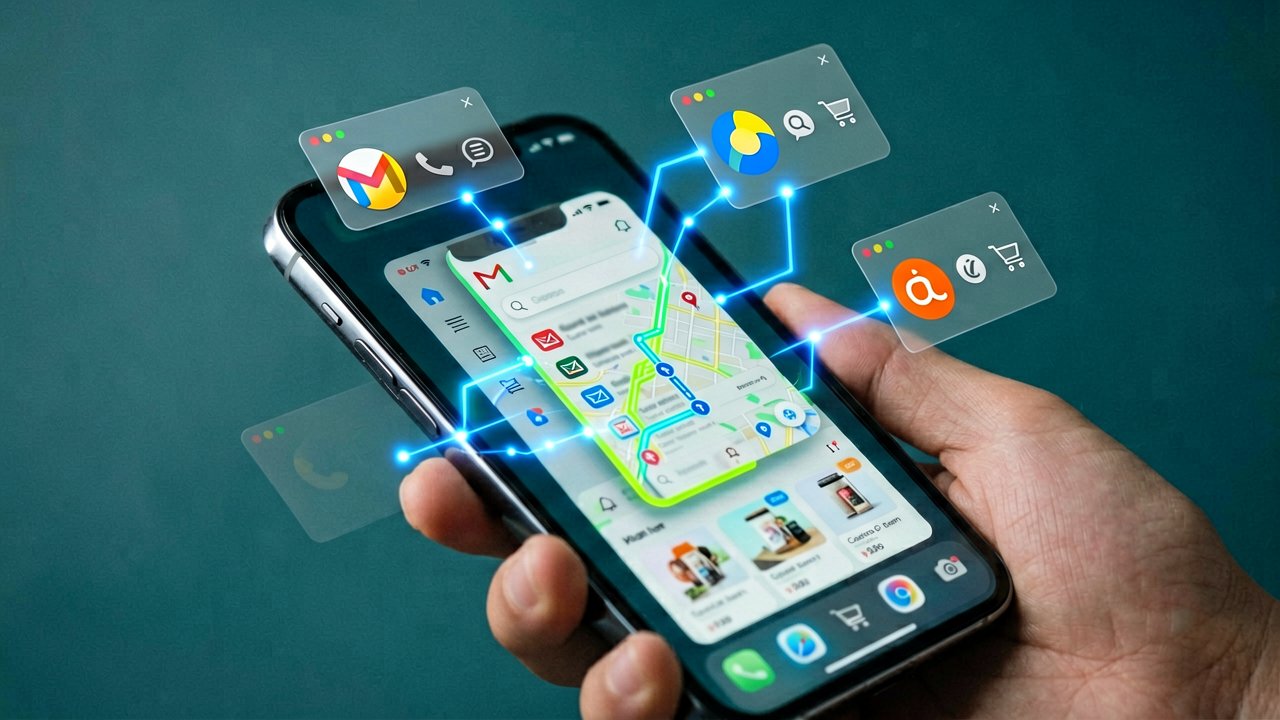
If you thought last year's AI pivot was aggressive, Google I/O 2026 just proved that Mountain View is done playing defense. The "agentic era" has officially arrived, and it isn't just trapped behind a search bar anymore. Between a new class of proactive AI agents that can actually finish your chores and a long-awaited return to smart eyewear, Sundar Pichai’s keynote felt less like a developer conference and more like a declaration of intent. Google is betting the farm that we’re ready to let Gemini take the wheel, literally and figuratively.
The star of the show wasn't just a model upgrade; it was the realization of "Project Astra" as a living, breathing assistant. We’re moving past the "chat" phase of AI and into the "agent" phase, where Gemini doesn't just tell you which flowers are in season but actually orders them, schedules the delivery, and updates your calendar without you lifting a finger. It’s a bold, slightly terrifying vision of a world where our phones—and now our faces—are constantly anticipating our next move.
The Rise of the Agentic Ecosystem
Google’s big pitch this year is that Gemini is no longer just a chatbot; it’s an "operating layer" for your entire digital life. According to KuCoin News, the company is positioning Gemini Spark as a 24/7 AI agent capable of navigating complex, multi-step workflows across apps like Gmail, Maps, and even third-party services like Instacart. One live demo showed the AI planning a barbecue from scratch, populating a grocery cart, and coordinating with delivery services in a single fluid interaction. It’s clear Google wants to solve the "fragmentation tax" of modern smartphones by letting an agent handle the messy middle bits of being a human in the digital age.
Android XR: The Return of the Smart Glasses
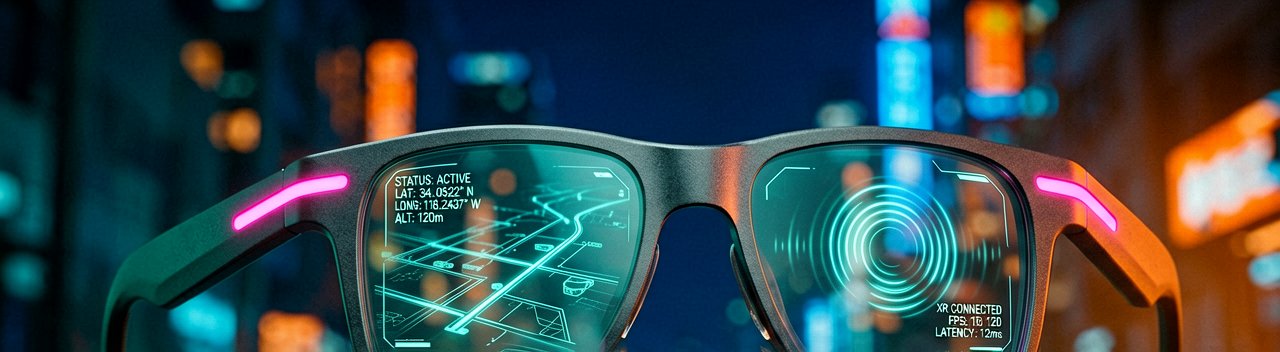
After years of rumors and false starts, Google finally put its XR cards on the table. Partnering with industry heavyweights like Samsung and Qualcomm, they unveiled the first real fruit of the Android XR platform: stylish smart glasses designed by Google’s hardware partners like Warby Parker and Gentle Monster. Unlike the dorky headsets of yesteryear, these look like actual spectacles. The first wave, launching this fall, consists of "audio glasses" that provide private, spoken assistance from Gemini, while a more advanced "display" version—currently in prototype—aims to overlay navigation and contextual data directly onto your field of vision.
Android 17 and the "Pause Point"
While AI stole the headlines, Android 17 is quietly trying to save us from ourselves. A standout feature called "Pause Point" is Google's latest attempt at digital wellness, forcing a 10-second window of reflection when you try to open a "distracting" app. As reported by Wired, the system might suggest a breathing exercise or an audiobook instead of another hour of mindless scrolling. It’s a curious irony: Google is building agents to do everything for us, while simultaneously building features to make sure we don't spend all that saved time staring at the screen.
Behind the Scenes: The High-Stakes Gamble on Agentic Sovereignty
The Invisible Infrastructure: While the flashy demos of Gemini ordering groceries snagged the headlines, the real story lies in the "Gemini Protocol"—the connective tissue Google is quietly forcing into the Android kernel. This isn't just another API update; it’s a fundamental shift in how software interacts with your personal data. For years, Google has been the world’s librarian, indexing information for us to find. Now, they are attempting to become our executor, a move that requires a level of trust—and access to private tokens—that would have been unthinkable five years ago. This pivot is a direct response to the "walled garden" fatigue that has plagued the mobile industry since the App Store's inception.
Inside the Google Plex, the internal pressure to deliver on "Project Astra" was reportedly immense. Sources close to the development team suggest that the 2026 rollout was accelerated to preempt specialized hardware like the Rabbit R1 or the Humane AI Pin, which attempted to bypass the smartphone entirely. By embedding these capabilities directly into Android 17, Google is effectively making the case that you don’t need a new device to experience a "post-app" world. They are leveraging their massive install base to ensure that the AI agent era doesn't happen on someone else's hardware, turning the smartphone from a screen you look at into a brain that works for you in the background.
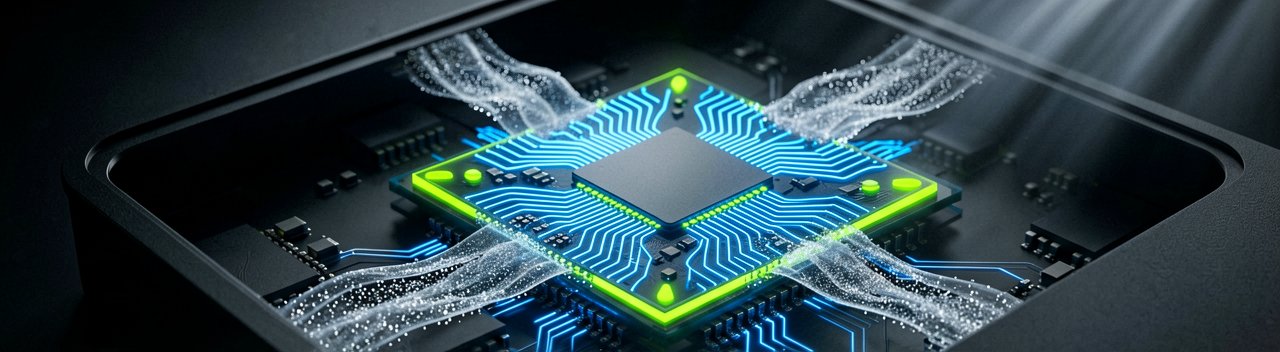
The skepticism from privacy advocates, however, is palpable. Critics argue that for an agent to be truly useful, it needs "God-mode" access to your digital life—your bank accounts, your private messages, and your real-time location. Google’s counter-argument at I/O centered on "On-Device Sovereign Compute," a fancy way of saying that the most sensitive decision-making happens locally on the Tensor G6 chip. By keeping the "keys to the kingdom" on the physical device rather than the cloud, Google hopes to bypass the inevitable regulatory scrutiny from the EU and the FTC regarding data harvesting. It’s a delicate balancing act between utility and intrusion that will define the next decade of tech.
From a stakeholder perspective, the "Android XR" announcement is equally strategic. By partnering with fashion-forward brands, Google is desperately trying to avoid the "Glasshole" stigma that derailed their first attempt at eyewear over a decade ago. This time, the focus isn't on a camera-first experience, but a sensor-first one. The goal is "ambient intelligence," where the glasses act as the eyes and ears for Gemini, allowing the agent to understand context—like knowing you’re looking at a broken dishwasher and automatically pulling up the repair manual or calling a plumber. It is a play for the "spatial computing" crown that doesn't require wearing a heavy computer on your face.
Historically, Google’s greatest weakness has been its tendency to launch brilliant products and then abandon them when they don't immediately achieve Gmail-level scale. But I/O 2026 felt different. There was a sense of desperation in the air, a realization that the traditional Search business model is under threat from LLM-based answers. The push toward agents is a survival tactic. If people stop "searching" because their agent already "knows," Google has to be the one providing the agent. This transition represents the most significant architectural change to the company’s business model since they started selling ads against search results in the early 2000s.
Ultimately, the success of these announcements won't be measured by the smoothness of the keynote demos, but by how many people actually let Gemini take over their calendars and credit cards. We are entering an era of "delegated living," where the friction of daily life is smoothed over by an algorithm that knows us better than we know ourselves. Whether this leads to a liberated existence or a total reliance on a single corporate entity remains the central tension of the Google ecosystem. The pieces are finally on the board; now we see if the public is willing to play the game.
Reading Between the Lines: The Illusion of Autonomy
The Hidden Cost of Convenience: Google’s "agentic" revolution rests on a paradox that the keynote glossed over with characteristic Silicon Valley optimism. By delegating our decision-making to Gemini, we aren't just saving time; we are effectively outsourcing our cognitive agency to a black box. There is a profound contradiction in a company offering "Digital Wellbeing" features like Android 17’s Pause Point while simultaneously building an ecosystem designed to make itself indispensable for every waking second. The more the agent does for us, the less we know how to do for ourselves, creating a feedback loop of dependency that serves Google’s bottom line far better than it serves our personal growth.
There is also the messy reality of the "hallucination" problem, which remains the ghost in the machine. While a chatbot getting a historical fact wrong is an annoyance, an agent getting a flight booking or a grocery order wrong carries real-world financial consequences. Google’s shift toward "On-Device Sovereign Compute" is a clever marketing shield, but it doesn't solve the fundamental instability of large language models. The tech giant is asking us to move from "search and verify" to "delegate and pray," a leap of faith that ignores the sheer unpredictability of an AI trying to navigate a world as chaotic as ours.
The Android XR push reveals a similar desperation to capture "reality-adjacent" data. By moving Gemini from our pockets to our faces, Google is attempting to solve the one problem they’ve always had: they don't know what you're doing when you aren't looking at a screen. Smart glasses aren't just an accessory; they are a data-harvesting tool disguised as a fashion statement. The "contextual intelligence" Google touts is really just an all-access pass to your physical environment, ensuring that the company’s ad-targeting algorithms can finally bridge the gap between your digital desires and your real-world movements.
Moreover, the partnership with fashion brands is a tactical admission that Google’s industrial design team has failed to make technology feel human. By leaning on Warby Parker, they are attempting to "normalize" surveillance. This is the ultimate Trojan Horse strategy: if the glasses look normal, we might forget that they are essentially a pair of cameras and microphones feeding a hungry AI. It’s a sophisticated play to win the war for our attention by making the technology so invisible that we stop questioning its presence entirely.
Finally, we have to look at the competitive landscape. This pivot to agents isn't just about innovation; it’s about survival in an era where the traditional search engine is becoming a legacy product. If Google doesn't own the agent that tells you where to eat, they lose the opportunity to show you the ad for the restaurant next door. The stakes at I/O 2026 weren't just about cool features; they were about maintaining a monopoly on the user's intent. The transition from a search company to an agent company is a high-wire act with no safety net, performed over a pit of rising regulatory pressure and shifting consumer trust.
"We’ve spent twenty years teaching ourselves how to use Google, and now Google has spent two years teaching itself how to be us. It’s a fair trade, provided you don't mind your digital twin having a better social life and a more aggressive shopping habit than you do."
Artūras Malašauskas is an AI Systems Integrator with 20+ years of production-grade web engineering experience. He has designed, shipped, and scaled enterprise Python/PHP systems for logistics, SaaS, and public-sector clients. For the past year, he has focused exclusively on AI integrations: deploying open-source LLMs, building generative media pipelines (image, audio, video), and engineering multi-agent workflows for real production environments. His standard: reproducibility, security, cost-efficient inference—no vaporware. He documents and evaluates emerging AI tooling, separating verified capabilities from marketing noise. Technical editor at: muza-ai.eu, ai-verslas.lt, ai-naujinos.lt Connect on LinkedIn
Comments