Microsoft’s Surface Pro 12 and Laptop 8: A High-Stakes Bet on Intel’s AI Future
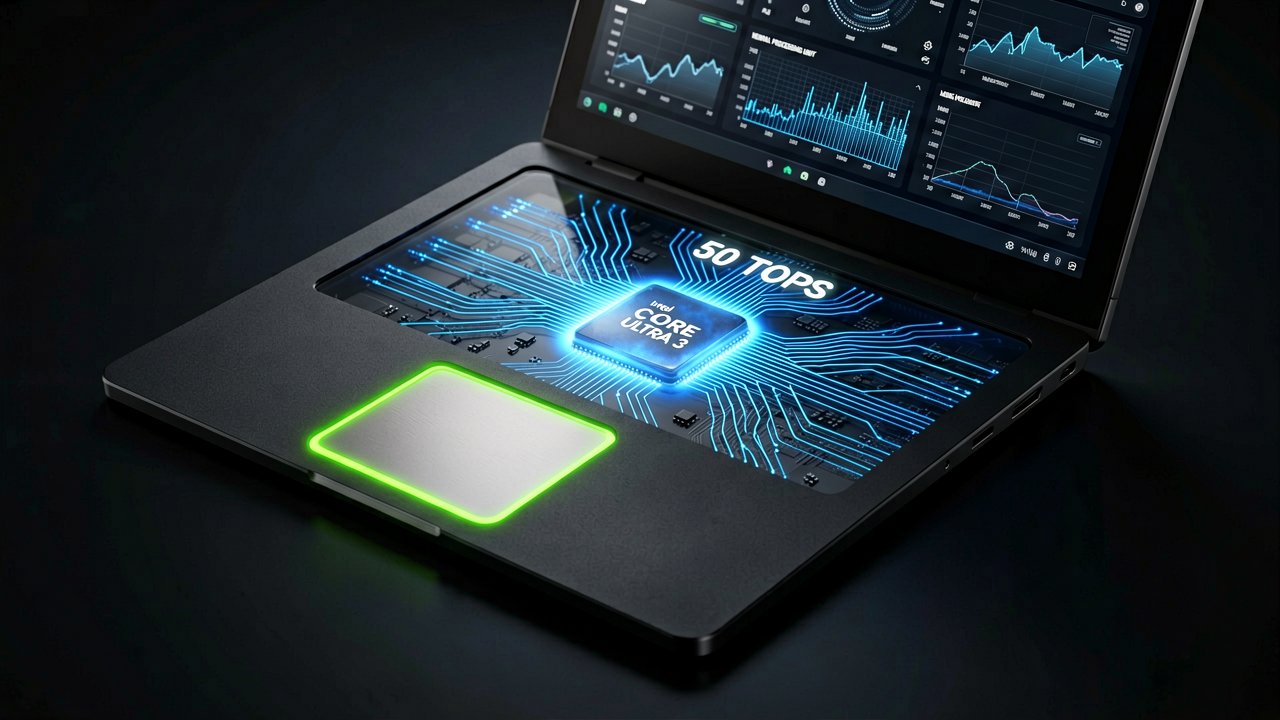
Microsoft just flipped the switch on its 2026 hardware cycle, and it’s clear they aren't playing it safe. In a move that prioritizes the corporate crowd, the tech giant has officially launched the Surface Pro 12 and Surface Laptop 8, both packed with Intel’s latest Core Ultra Series 3 chips. While the tech world has been buzzing about Snapdragon efficiency, Microsoft is betting that the old guard of Intel silicon still has the muscle—and the compatibility—to lead the next wave of AI-driven productivity. According to reporting from The Verge, these devices are hitting the business market first, carrying price tags that might make your IT department double-check the budget.
The headline here isn't just the processors; it's the "AI Boost" NPU that’s now capable of churning through 50 TOPS. That’s a significant leap for on-device AI tasks, and it's backed by some long-overdue hardware refinements. We’re seeing upgraded displays across the board, including a new 15-inch resolution bump on the Laptop 8 that finally brings some much-needed UI clarity to the larger canvas. If you’ve ever felt that Surface displays were just a bit behind the curve in pixel density, this refresh feels like a direct answer to those grievances.
Precision Haptics and Privacy Guards
One of the more tactile upgrades is the introduction of a new precision haptic touchpad on the Surface Laptop 8. It’s designed to provide contextual feedback when you’re snapping windows or dragging objects, making the interface feel alive in a way previous generations didn't. Business users will also appreciate the new integrated privacy screen option on the 13.8-inch and 15-inch models. It’s a smart, software-and-hardware-linked solution that lets you shield sensitive data with a single keystroke, effectively killing the market for those annoying plastic stick-on filters. Experts at Windows Central note that while these Intel models are leading the charge, Snapdragon X2 variants are still waiting in the wings for a summer release.
A Price of Entry That Stings
There's no sugarcoating the cost: the Surface Pro 12 for Business starts at a steep $1,949.99 for the base Intel Core Ultra 5 configuration. That’s a massive jump from previous iterations, signaling that Microsoft is positioning the Surface brand even further into the premium "luxury-workstation" tier. You do get a baseline of 16GB of RAM now, which feels like a "finally" moment for a device in this price bracket, but the road to a fully specced Core Ultra 7 with 64GB of RAM quickly enters the four-thousand-dollar stratosphere. It’s a bold play that assumes the enterprise market is willing to pay a premium for the guaranteed software compatibility that comes with x86 architecture.

The Architectural Pivot
Beyond the spec sheet: Microsoft’s decision to double down on Intel’s Core Ultra "Lunar Lake" architecture for this release is a calculated risk aimed squarely at the enterprise soul. While the flashy ARM-based Snapdragon variants grab the consumer headlines with their marathon battery life, the IT departments governing Fortune 500 fleets remain notoriously risk-averse. For these stakeholders, the Surface Pro 12 represents a safe harbor; it offers the promise of AI-accelerated workflows without the specter of emulation layers breaking legacy proprietary software that has lived on x86 for decades.
Historical context suggests that Microsoft is attempting to avoid the "Surface RT" trap of years past. By launching the Intel models first under the "for Business" banner, they are signaling that these machines are the true workhorses of the ecosystem. The 50 TOPS NPU isn't just a vanity metric for blurring backgrounds in Teams calls; it’s a foundational layer for Microsoft’s upcoming local-first Copilot features. This move suggests a shift in strategy where the cloud-dependency of AI is being decentralized to the edge, reducing latency for professional data analysis and creative rendering.
Stakeholders at Intel have clearly felt the pressure from the mobile efficiency of Apple’s M-series and the recent resurgence of Qualcomm. This partnership with Microsoft for the Laptop 8 and Pro 12 serves as a vital proof of concept that Intel can finally deliver meaningful performance-per-watt improvements. Reports from ZDNET indicate that these new chips manage to stay remarkably cool even under heavy thermal loads, a chronic pain point for the Surface Pro line since its inception.
The pricing strategy, while eye-watering, reflects a pivot toward a "hardware-as-a-service" mindset. Microsoft isn't just selling a tablet or a laptop; they are selling a three-to-five-year support lifecycle with guaranteed parts availability and modularity. The "Pro" in the name has evolved from a marketing suffix to a literal description of the target audience—users whose billable hours justify a $2,000 entry point. This segmentation allows Microsoft to maintain high margins while letting the upcoming Snapdragon models fight the price wars in the consumer retail space.
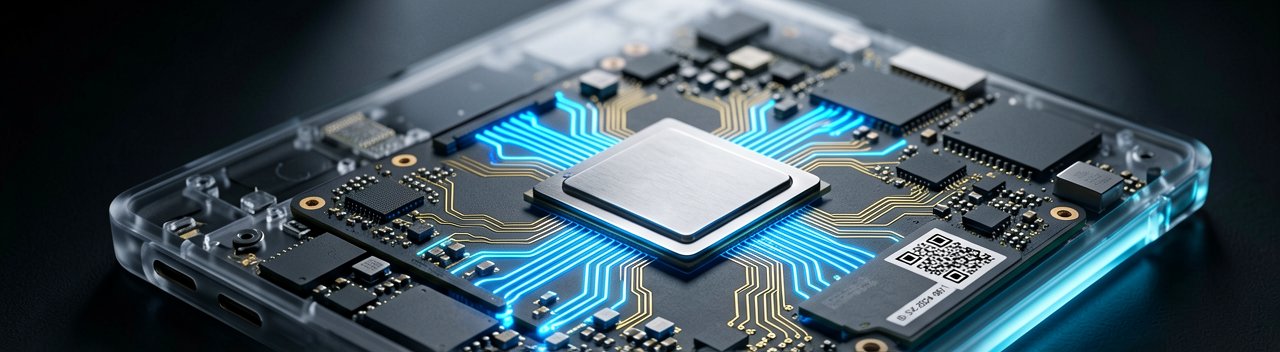
Engineering-wise, the focus on "repairability-by-design" continues to be a quiet revolution within the Surface division. Internal documents show that the Pro 12 features even more QR-coded internal components and standardized fasteners than the Pro 11. This focus on longevity is a direct response to criticism from environmental groups and corporate sustainability officers who demand that premium hardware shouldn't end up in a landfill just because a battery or a SSD fails after three years of heavy use.
Ultimately, the Surface Laptop 8 and Pro 12 are the manifestations of Microsoft’s desire to own the entire stack of the AI PC era. By tightly integrating the NPU with Windows 11’s kernel, they are attempting to create a hardware-software synergy that rivals the walled garden of Cupertino. Whether the corporate world agrees that this integration is worth the steep premium remains the biggest variable in Microsoft’s 2026 hardware roadmap.
The Paradox of Choice and the Cost of Legacy
Reading Between the Lines: Microsoft is walking a razor-thin tightrope between future-proofing and customer alienation. By sticking with Intel for the initial "Business" rollout of the Surface Pro 12, they are effectively admitting that the ARM-based Windows revolution isn't quite ready for the boardroom. This creates a glaring contradiction in their marketing: while they tout the efficiency of Snapdragon in consumer ads, they are charging a massive premium for Intel’s power-hungry silicon in the professional space. It’s a subtle concession that for all the talk of a new era, the corporate world still runs on x86 fuel.
There is also a significant skepticism regarding the "AI PC" branding that permeates these launches. While a 50 TOPS NPU is impressive on a slide, the actual utility for the average Excel-crunching professional remains largely theoretical. We are seeing a massive "AI Tax" applied to hardware before the software ecosystem has truly matured to justify it. Microsoft is essentially asking IT directors to pay 2026 prices for AI capabilities that might not find their killer app until 2028, making these devices a high-cost bet on a future that is still being written.
Furthermore, the thermal reality of the Surface Pro 12’s thin chassis versus Intel’s latest chips deserves a cynical eye. Intel has made strides with Lunar Lake, but the physics of cramming a high-performance processor behind a 13-inch screen without significant throttling remains a hurdle that hasn't been fully cleared in previous generations. If these units end up sounding like jet engines during a standard video call, the "premium" price tag will be a very tough pill for users to swallow, regardless of how many NPU cycles are running in the background.
The pricing tiers also suggest a shift in Microsoft’s identity. With the Pro 12 pushing into the $2,000 range, the Surface brand is shedding any lingering pretense of being a "tablet for everyone." It is now an aspirational enterprise status symbol, much like the high-end ThinkPads of the early 2000s. This move risks ceding the mid-range market entirely to competitors who can offer 90% of the functionality for 60% of the price, potentially turning the Surface line into a niche boutique offering for C-suite executives.
Looking ahead, the fragmentation of the Surface lineup—split between Intel for stability and Snapdragon for mobility—could lead to a fractured user experience. Developers now have to optimize for two vastly different architectures under the same brand name, which historically has led to "least common denominator" software design. This tension between the old world of x86 and the new world of ARM might actually slow down the innovation Microsoft is so desperate to lead, as the company spends more time managing compatibility than pushing boundaries.
Spending two thousand dollars on a tablet just to run a spreadsheet that hasn't changed since the 90s is the ultimate flex—it’s essentially buying a Ferrari to sit in gridlock, but at least your blurred background during the Zoom call will be processed with unparalleled architectural integrity.
Artūras Malašauskas is an AI Systems Integrator with 20+ years of production-grade web engineering experience. He has designed, shipped, and scaled enterprise Python/PHP systems for logistics, SaaS, and public-sector clients. For the past year, he has focused exclusively on AI integrations: deploying open-source LLMs, building generative media pipelines (image, audio, video), and engineering multi-agent workflows for real production environments. His standard: reproducibility, security, cost-efficient inference—no vaporware. He documents and evaluates emerging AI tooling, separating verified capabilities from marketing noise. Technical editor at: muza-ai.eu, ai-verslas.lt, ai-naujinos.lt Connect on LinkedIn
Comments