Motorola Edge (2026) Design Unmasked: Leaked Renders Reveal Flat Display Shift, Woven-Fabric Finish, and Triple AI Cameras
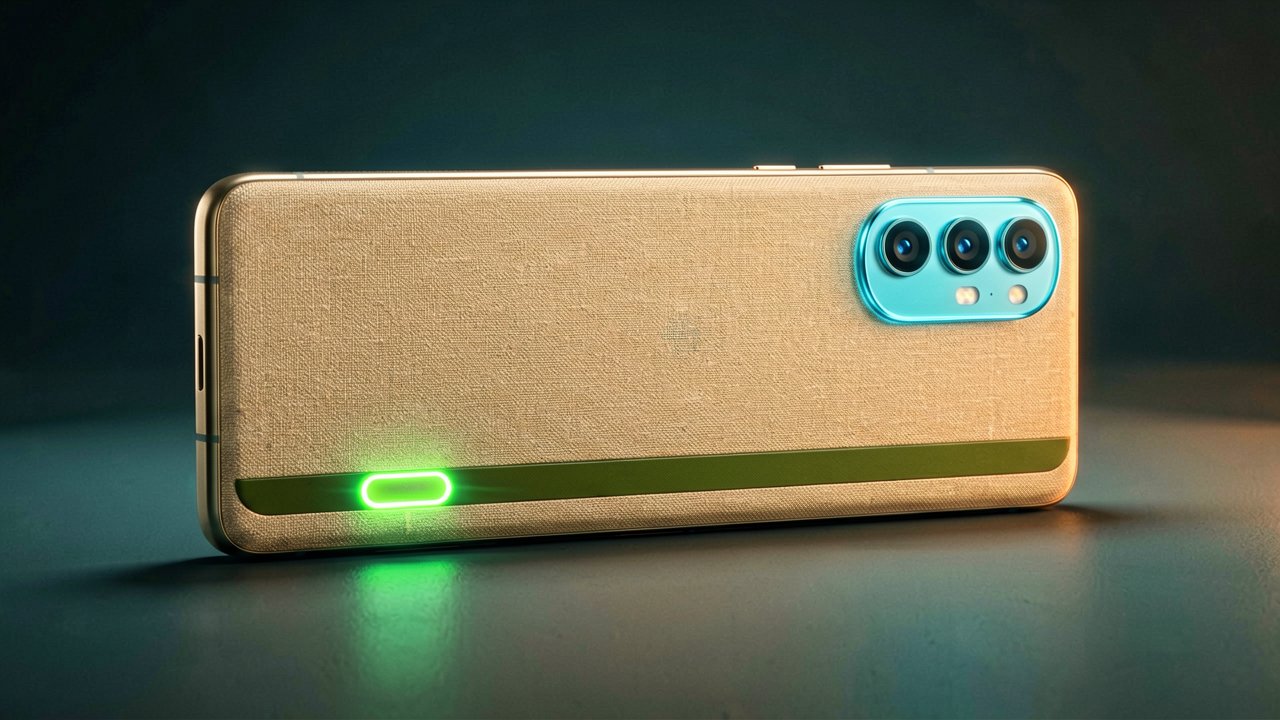
Motorola is clearly done with the "waterfall" aesthetic. For years, the Edge series lived and died by its dramatic curves, but new high-resolution renders suggest the 2026 iteration is finally leaning into the flat-edge trend. This isn't just a minor tweak; it’s a full-on identity shift that prioritizes usability and accidental-touch prevention over the sleek, slippery silhouettes of the past. If you’ve ever fumbled an Edge because the glass simply wouldn't stop curving, this new direction is practically a love letter to your grip.
The leaked images, originally shared by 91mobiles and Digital Citizen, showcase a device that trades the usual "vegan leather" for a sophisticated woven-fabric finish. It’s a tactile pivot that feels remarkably premium in a sea of glass slabs, particularly in the showcased champagne gold and olive green colorways. The frame appears to be color-matched, housing the standard power and volume keys on the right, while a curious new physical button sits on the left—widely expected to be a dedicated shortcut for Motorola’s expanding AI suite.
The Camera and Display Evolution
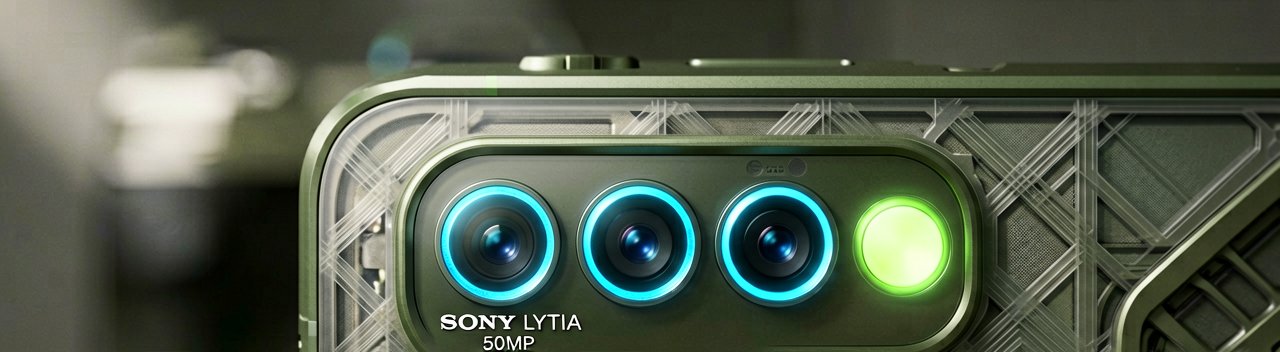
On the back, a polished square island houses a triple-camera system that looks ready for prime time. Reports from PhoneArena indicate the setup will feature a 50MP Sony LYTIA primary sensor, flanked by a 12mm ultra-wide and a 73mm telephoto lens capable of 3x optical zoom. The "Super Zoom" branding etched onto the module suggests Motorola is doubling down on computational photography to keep pace with Google and Samsung. It’s a cohesive package that feels more like a refined tool than a flashy toy.
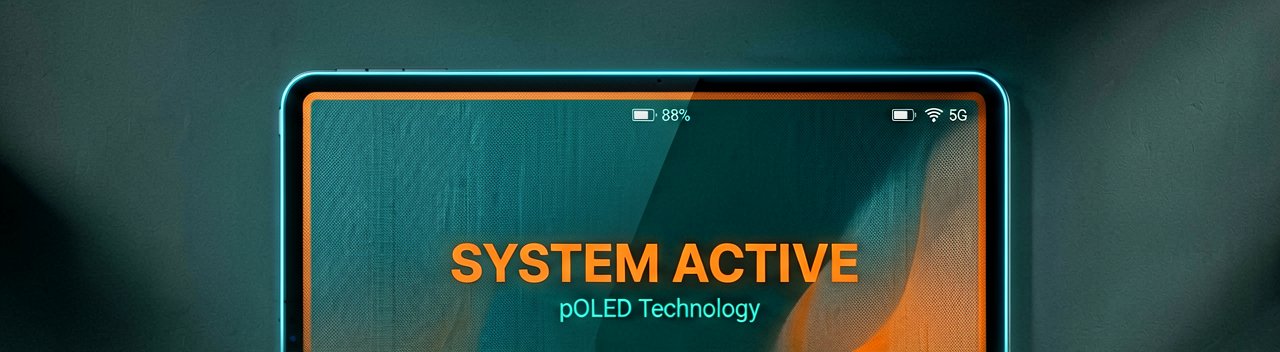
The display itself is the real headliner, though. By moving to a flat pOLED panel with razor-thin, uniform bezels, Motorola is following the design cues of the most successful flagships of the current era. It’s a practical move that makes screen protectors easier to find and mobile gaming significantly more comfortable. While the internal specs remain a bit of a mystery, the exterior suggests a device that’s finally comfortable in its own skin, moving away from gimmicks and toward a more "pro" industrial design. We expect to see the official unveiling by late May or early June, given Motorola's typical release cadence.
The Strategic Pivot to Flat Glass
Behind the Scenes: The decision to ditch the curved display isn't just an aesthetic whim; it's a calculated retreat from a design philosophy that has defined the Edge brand since its inception. Internal shift reports suggest that Motorola’s engineering teams reached a breaking point with the structural fragility and high repair costs associated with "waterfall" panels. By adopting a flat pOLED design, Motorola is effectively signaling that they value the longevity of the device and the sanity of the user over the "wow factor" of a disappearing bezel. It’s a move that aligns them more closely with the current design language of the iPhone and Galaxy S series, which have both returned to flatter foundations for better durability.
The woven-fabric finish is perhaps the most daring play in this 2026 refresh. While the industry has flirted with textiles before—think back to the Alcantara on Microsoft’s Surface laptops or Google’s fabric Pixel cases—integrating it directly into the chassis of a flagship phone presents massive engineering hurdles regarding heat dissipation and liquid resistance. Sources close to the supply chain indicate that Motorola is using a proprietary synthetic blend designed to be oleophobic and stain-resistant. This move attempts to solve the "slippery phone" problem while providing a distinct tactile identity that separates the Edge from the generic glass-back crowd.
Industry analysts at 91mobiles have noted that the inclusion of the "AI Shortcut" button is a direct response to the "Action Button" trend, but with a more functional, software-centric twist. Instead of a simple mute toggle or camera shutter, this button is reportedly hard-wired into Motorola’s "Moto AI" ecosystem. The goal is to provide a physical gateway to real-time translation and generative image editing without forcing the user to dig through nested menus. It’s a clear play to capture the productivity-focused market that feels overwhelmed by the complexity of modern smartphone interfaces.
From a historical perspective, the Edge series has often felt like a playground for experimental ideas that didn't always stick. However, the 2026 renders show a level of industrial maturity we haven't seen from the brand in years. The camera housing, for instance, isn't just a bump; it’s an integrated geometric element that flows into the frame, mirroring the "Contour Cut" design language that Samsung popularized but refined with Motorola’s own softer, more organic curves. This suggests a brand that is no longer just chasing trends, but rather refining them into a cohesive professional tool.
The triple-camera array also reveals a shift in Motorola’s imaging priority. By opting for a 73mm telephoto lens, they are prioritizing portraiture and medium-range zoom over the digital "space zoom" gimmicks of yesteryear. According to insights from PhoneArena, the synergy between the Sony LYTIA hardware and the new AI-driven image signal processor (ISP) is intended to close the gap in low-light performance where Motorola has traditionally lagged. This hardware-software parity is essential if they want to be taken seriously as a premium alternative to the established titans.
Ultimately, the Motorola Edge (2026) represents a brand coming to terms with what users actually want: a phone that feels good to hold, survives a drop, and takes predictable, high-quality photos. The pivot to flat glass and textured backs may seem like a step back into the traditional, but in a market saturated with fragile glass sandwiches, it feels like a bold step forward in practical luxury. Motorola is betting that the modern consumer is tired of flashy compromises and is finally ready for a flagship that simply works as hard as they do.
The Risk of Rational Design
Reading Between the Lines: There is a thin line between "refined maturity" and "playing it safe," and Motorola is walking it like a tightrope. While the transition to a flat display solves a decade of ergonomic complaints, it also strips the Edge of its most recognizable visual differentiator. In a market where every mid-to-high-end slab is beginning to look like a variation of the same reference design, Motorola is betting that a woven-fabric back can carry the entire burden of brand identity. It is a risky gamble; consumers often claim they want practicality, yet they consistently gravitate toward the shiny, impractical curves that scream "premium" from across a crowded room.
The "AI Button" inclusion also invites a healthy dose of skepticism regarding the actual utility of dedicated hardware for software that is still finding its footing. We have seen this movie before—Samsung’s Bixby button was widely panned until it was made remappable, and Apple’s Action Button often ends up being a glorified flashlight toggle for the average user. If Motorola’s AI suite isn't significantly more intuitive than what’s already baked into Android, that dedicated left-side button risks becoming a vestigial organ before the phone even hits its first software update. The contradiction lies in adding more physical complexity to a device that is supposedly being "simplified" for the user.
Furthermore, the shift toward a 73mm telephoto lens and a 50MP Sony LYTIA sensor is a tacit admission that Motorola’s previous attempts at high-megapixel marketing didn't translate to best-in-class photography. While PhoneArena suggests this setup will elevate their imaging game, the bottleneck has rarely been Motorola's hardware—it has been their post-processing pipeline. Dropping a sophisticated sensor into a phone doesn't fix a "watercolor effect" in low-light shadows or the inconsistent shutter lag that has plagued the series. Until the software proves it can handle the data coming off that LYTIA glass, the "Triple AI Camera" branding remains a promise rather than a reality.
The choice of a woven-fabric finish also raises uncomfortable questions about long-term hygiene and durability that a render cannot answer. While glass and metal are easily sanitized with a quick wipe, fabric is inherently porous; it's a magnet for pocket lint, coffee spills, and the general grime of daily life. Motorola’s claim of an oleophobic coating is a necessary start, but the real test will be how that olive green finish looks after six months of being gripped by sweaty palms and placed on questionable café tables. It is a beautiful departure from the norm, but it may end up being the first flagship phone that requires a dry-cleaning bill.
Ultimately, the Edge (2026) feels like Motorola’s attempt to grow up and move out of the experimental phase of its adolescence. By mimicking the "Pro" aesthetics of its larger rivals, the company is finally chasing the enterprise and enthusiast markets that value reliability over flare. However, by losing the curve, they lose the "edge" that gave the phone its name in the first place. Whether the market rewards this newfound pragmatism or views it as a loss of character will depend entirely on if that woven fabric feels like a luxury suit or a cheap couch under the thumb.
It’s a bold move to name a phone after a design feature you’ve just deleted, but I suppose "Motorola Flat Surface" didn't quite have the same ring to it in the marketing meeting.
Artūras Malašauskas is an AI Systems Integrator with 20+ years of production-grade web engineering experience. He has designed, shipped, and scaled enterprise Python/PHP systems for logistics, SaaS, and public-sector clients. For the past year, he has focused exclusively on AI integrations: deploying open-source LLMs, building generative media pipelines (image, audio, video), and engineering multi-agent workflows for real production environments. His standard: reproducibility, security, cost-efficient inference—no vaporware. He documents and evaluates emerging AI tooling, separating verified capabilities from marketing noise. Technical editor at: muza-ai.eu, ai-verslas.lt, ai-naujinos.lt Connect on LinkedIn
Comments