Apple’s iPhone 18 Roadmap: A Risky Bet on the High-End
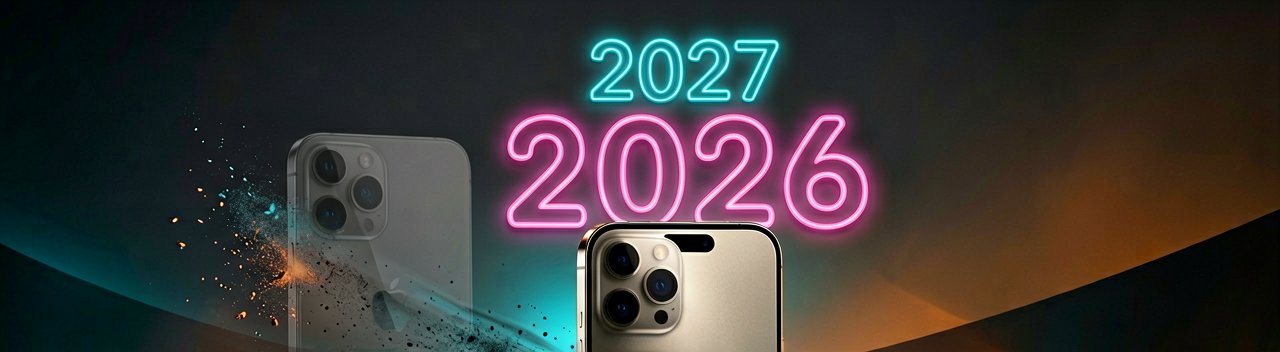
For years, Apple’s September keynote has been the predictable heartbeat of the tech world, a steady drumbeat of four new slabs of glass and titanium. But if the latest murmurs from the supply chain hold weight, that rhythm is about to break. We’re hearing that Apple is plotting a dramatic split-launch strategy for 2026, one that effectively turns the fall event into a "Pros-only" gala. The standard iPhone 18 and its more affordable siblings might be benched until spring 2027, leaving the stage entirely to the big spenders and, quite possibly, the long-rumored "iPhone Fold."
It’s a bold—and potentially polarizing—pivot. By keeping the more affordable models in the oven until early 2027, Apple is essentially forcing early adopters to choose between a premium price tag or a six-month wait. Reports from MacRumors suggest this reshuffle isn't just about supply chain logistics; it’s a calculated move to keep the spotlight fixed on the Pro series during the critical holiday window. For the average buyer who just wants a reliable, new "base" iPhone, the news is a bit of a cold shower, especially with rumors of price hikes lurking in the background due to rising manufacturing costs.
The 2nm Power Play and Camera Control
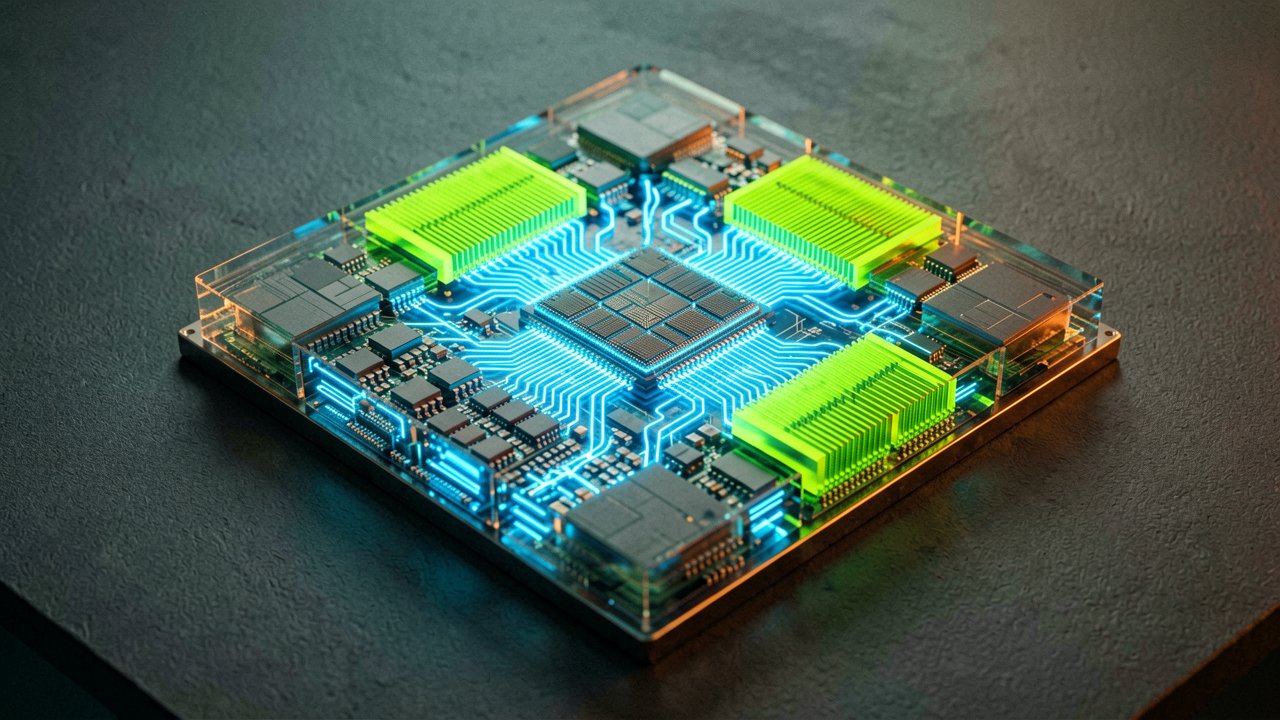
Under the hood, the iPhone 18 Pro isn't just a minor iteration. We're looking at the debut of the A20 chip, which is expected to be the first built on TSMC’s cutting-edge 2nm process. This isn't just geek-speak for "it’s faster." A 2nm architecture could offer a massive 30% jump in efficiency, potentially solving the thermal headaches that have plagued previous models. When you pair that with the rumored "C2" custom modem, you get a device that’s not only smarter at handling AI but also more frugal with its battery life. According to analysis by Laptop Outlet, this silicon leap could be the most significant performance gain we've seen in several generations.
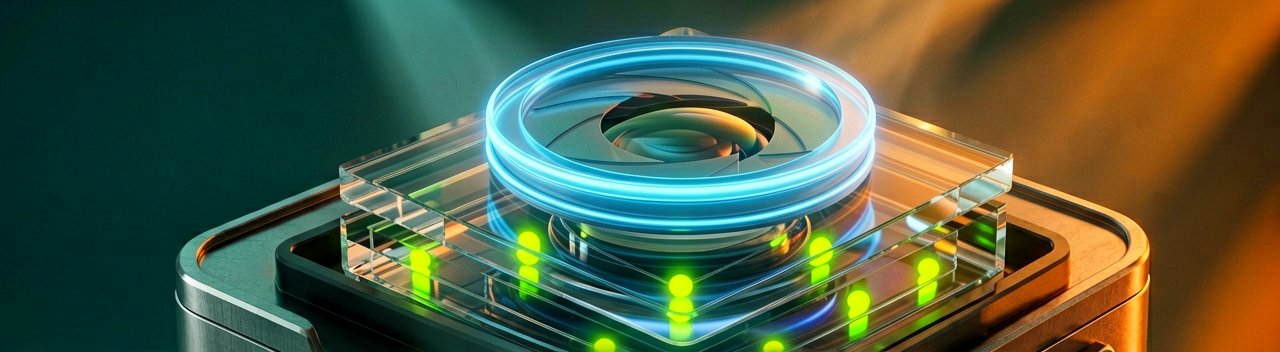
The camera system is also getting a proper professional overhaul. Rumors point toward a variable aperture main sensor—a feature that would finally give mobile photographers the kind of depth-of-field control usually reserved for mirrorless cameras. There’s also talk of a smaller Dynamic Island, thanks to Apple’s ongoing efforts to tuck Face ID components beneath the display. While we aren't at the "all-screen" finish line just yet, a 35% narrower pill-shaped cutout would be a welcome bit of reclaimable screen real estate. Whether these hardware gains are enough to justify a "Pro-first" launch strategy remains to be seen, but the 18 Pro is shaping up to be more than just a spec bump.
The Hidden Strategy: Why Apple is Abandoning the Synchronized Launch
The High-Stakes Gamble: For the better part of a decade, Apple’s strategy was rooted in "The Halo Effect"—releasing a high-end flagship alongside a standard model to pull consumers toward the premium tier through direct comparison. However, the shift toward a staggered release for the iPhone 18 indicates that Cupertino is no longer content with just upselling; they are trying to solve a manufacturing bottleneck that has become unsustainable. By decoupling the Pro models from the base units, Apple can focus its initial 2nm silicon yields exclusively on the high-margin devices, avoiding the supply shortages that typically frustrate buyers during the November rush.
Industry insiders suggest that this move is a direct response to the increasing complexity of the A20 chip architecture. TSMC’s 2nm process is notoriously difficult to scale, and by narrowing the launch window to only the "Pro" and "Pro Max" variants, Apple ensures that its most valuable customers are served first without the distraction of a "base" model cannibalizing the limited supply of next-generation components. Historically, Apple has used the spring to refresh colors or launch "SE" variants, but utilizing that window for the standard iPhone 18 signifies a fundamental change in how they perceive the lifecycle of their hardware.
From a stakeholder perspective, this pivot is designed to smooth out the "peak and valley" revenue cycle that often scares Wall Street. Usually, Apple’s Q1 is massive, followed by a significant dip in the spring and summer. Pushing the standard iPhone 18 to a March or April release would effectively create a second "Super Cycle" in the middle of the fiscal year. This keeps the brand relevant in the headlines for nine months instead of three, providing a steady stream of retail traffic and carrier promotions that don't have to compete with the initial Pro-tier frenzy.
What many analysts are overlooking is the role of the "iPhone Slim" or "Fold" in this new ecosystem. By clearing the autumn stage of the standard iPhone 18, Apple creates the necessary oxygen for a new, experimental form factor to breathe. If the rumored ultra-thin iPhone 18 Slim debuts alongside the Pro, it can be positioned as a luxury lifestyle product without being overshadowed by the value proposition of a cheaper base model. It is a classic luxury-brand maneuver: limit the entry-level options to ensure the premium innovations define the brand's identity for the year.
Historically, when Apple tries to change the "buying calendar," the market resists before eventually conforming. We saw this with the delayed launch of the iPhone X and the staggered release of the iPhone 12 series during the pandemic. In both instances, the "split" didn't hurt the bottom line; it actually increased the Average Selling Price (ASP) because the most impatient and loyal fans defaulted to the more expensive model available on day one. The iPhone 18 rollout appears to be a permanent, calculated evolution of that accidental discovery.
Ultimately, this isn't just about chips or logistics; it's about the psychological reframing of the iPhone itself. For the Pro user, the device remains a yearly professional tool that arrives like clockwork. For the general consumer, the iPhone moves toward a more flexible release schedule, similar to the iPad or MacBook. This allows Apple to iterate on the base hardware only when it’s truly ready, rather than forcing a minor update every twelve months just to satisfy a calendar date that is increasingly out of sync with the pace of genuine innovation.
The Erosion of the "Annual" iPhone
Reading Between the Lines: The industry’s obsession with a split-release schedule ignores a glaring contradiction in Apple’s modern identity: the company that prides itself on "seamlessness" is about to make its product lineup remarkably messy. For decades, the simplicity of the iPhone purchase was its greatest strength—you walked into a store in October and bought the best one you could afford. By relegating the standard iPhone 18 to a spring release, Apple isn't just managing silicon yields; it is effectively admitting that the base-model iPhone has become a second-class citizen in its own kingdom. This risks alienating the "silent majority" of users who don't care about 2nm transistors but do care about not owning a "new" phone that feels six months late to the party.
There is also the matter of the "Pro" label itself, which is beginning to suffer from a serious case of linguistic inflation. If the only way to get a new iPhone in the fall is to buy a "Pro," the term loses its exclusivity and becomes a mandatory tax on early adoption. We’ve seen this play out before in the automotive industry, where "luxury" trims eventually become the baseline, forcing brands to invent even higher tiers to maintain prestige. The rumored "iPhone Ultra" or "Slim" is the likely endgame here, but it leaves the standard 18 in a precarious position—too expensive to be a budget play, yet intentionally hobbled to protect the margins of its Pro siblings.
The assumption that Wall Street will celebrate this "smoothed" revenue curve is equally shaky. Investors are notoriously addicted to the Q1 "monster" quarter; a shift that moves billions in revenue from December to March might look good on a spreadsheet, but it defies the gravity of holiday consumer psychology. A parent looking to buy their teenager a new iPhone 18 for the holidays isn't going to wait until March because of a TSMC yield issue—they’ll likely buy a discounted iPhone 17 or, more dangerously for Apple, look at a competitor who managed to get their flagship on shelves in time for the tree. Apple is betting that brand loyalty is stronger than the calendar, a gamble that assumes the iPhone is still an essential utility rather than a discretionary luxury.
Furthermore, the environmental narrative Apple so carefully cultivates starts to fray under this fragmented shipping schedule. Logistically, a single massive global launch is arguably more efficient than two separate, mid-scale product rollouts spaced six months apart. If the company is serious about its 2030 carbon-neutral goals, doubling the duration of the "launch phase" logistics seems like a step backward. It suggests that when the choice is between green optics and high-margin silicon allocation, the silicon—and the profit it generates—wins every single time.
Finally, we have to consider the software lag. If iOS 20 launches in the fall with features designed for the A20 chip, the base iPhone 18 owners arriving in the spring will be entering a software cycle that is already halfway over. They will be buying "new" hardware that has a shorter window of peak relevance before the next iOS beta arrives in June. This fragmentation creates a tiered class of users within the ecosystem, where the experience of "the latest and greatest" is no longer a shared cultural moment, but a subscription to a specific price bracket.
In the end, Apple is finally giving us what we’ve always wanted: an iPhone so sophisticated that it requires its own personal cooling-off period before the general public is allowed to touch it. It’s not a delay; it’s just 'exclusive anticipation' with a side of supply-chain reality.
Artūras Malašauskas is an AI Systems Integrator with 20+ years of production-grade web engineering experience. He has designed, shipped, and scaled enterprise Python/PHP systems for logistics, SaaS, and public-sector clients. For the past year, he has focused exclusively on AI integrations: deploying open-source LLMs, building generative media pipelines (image, audio, video), and engineering multi-agent workflows for real production environments. His standard: reproducibility, security, cost-efficient inference—no vaporware. He documents and evaluates emerging AI tooling, separating verified capabilities from marketing noise. Technical editor at: muza-ai.eu, ai-verslas.lt, ai-naujinos.lt Connect on LinkedIn
Comments