Roborock’s Saros 20 Hits Ireland: A High-Climbing, Carpet-Crushing Clean for €1,289
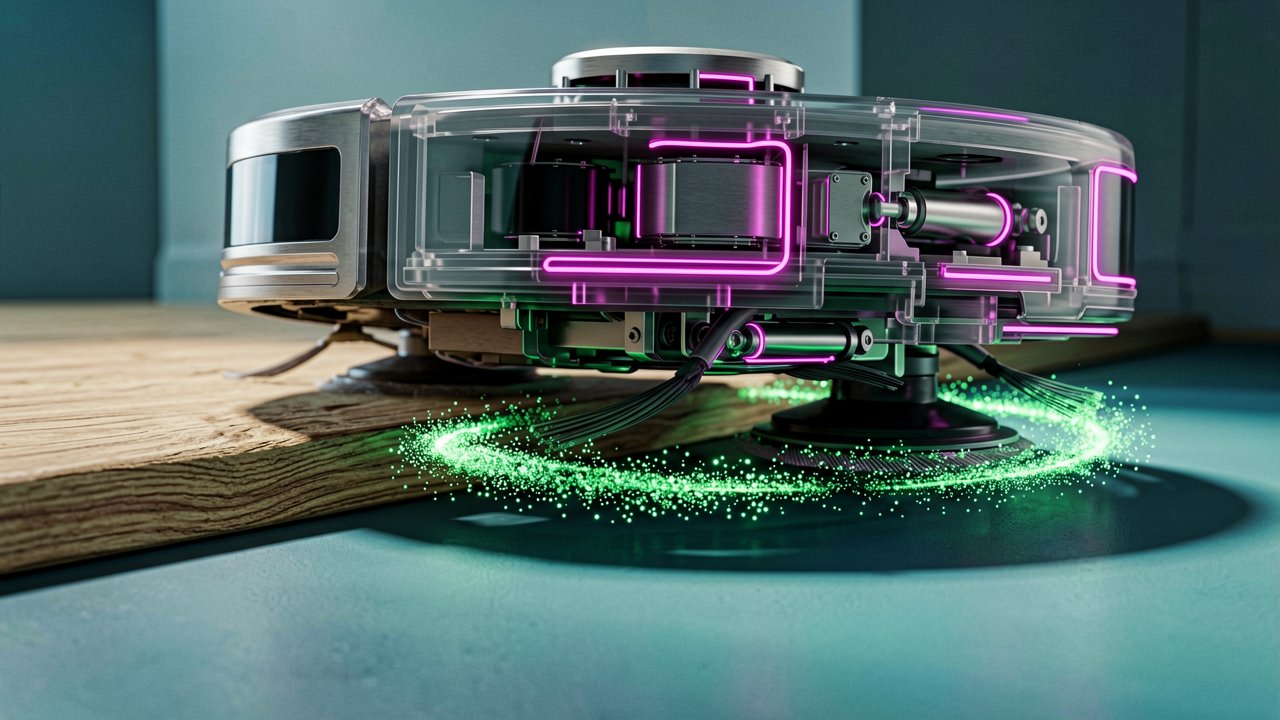
Roborock hasn't just released a new vacuum; they've basically launched an all-terrain vehicle for your living room. The Saros 20 has officially landed in Ireland, and it’s clearly gunning for the top spot in the ultra-premium market. At its core, this machine is about power and agility, boasting a massive 36,000 Pa suction that makes most other robots look like they’re just gently sighing at the floor. It’s currently available at Goosed.ie notes that an introductory price of €1,289 is running through mid-June at retailers like Harvey Norman before it jumps to its hefty €1,489 standard RRP.
What really sets the Saros 20 apart from its predecessors isn't just the raw power—though that's hard to ignore—it’s the new AdaptiLift Chassis 3.0. For anyone living in an older Irish home with those annoying, chunky wooden thresholds between rooms, this is a game-changer. The robot can essentially "step" over obstacles up to 8.8cm high by lifting its entire body. It’s a clever bit of engineering that ensures the device doesn’t get marooned in the hallway while trying to reach the kitchen. According to the technical breakdown at Irish Mirror, this system allows for unprecedented mobility across complex floor plans.
Extreme Power and High-Temperature Maintenance
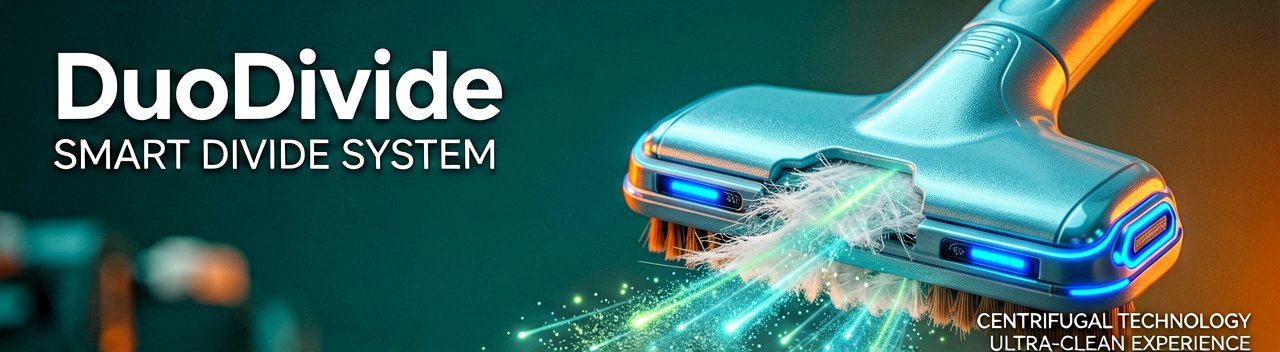
The cleaning specs are genuinely eye-watering. Beyond that 36,000 Pa suction, the Saros 20 features a DuoDivide main brush system designed to be completely tangle-free—a bold claim that pet owners will surely put to the test. On the mopping side, it uses dual spinning pads that hit 200 RPM and can exert 13N of downward pressure to scrub away stubborn stains. As detailed on the Roborock Official Site, the machine doesn't just push dirt around; it intelligently detects stains using an AI-powered camera and adjusts its cleaning intensity on the fly.
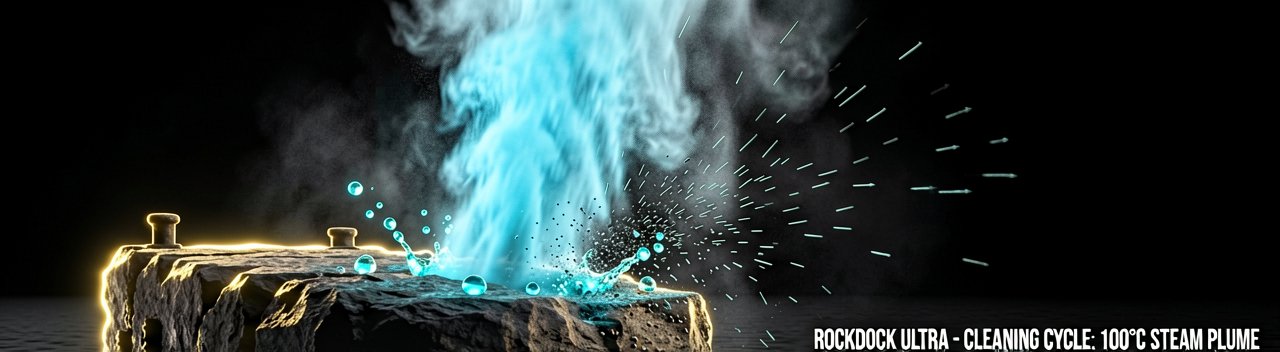
The updated RockDock Ultra is where the "ultra-premium" tag really earns its keep. It doesn't just empty the bin; it washes the mop pads with 100°C hot water—boiling, essentially—to kill off bacteria and dissolve grease. After the wash, it dries everything with warm air to prevent that "damp dog" smell that plagues cheaper models. It even cleans itself, meaning the days of you scrubbing the dock's baseplate are mostly over. For those who want the absolute peak of current domestic robotics, this is the benchmark for 2026.
The Engineering Pivot: Why 2026 is the Year of High-Climbing Robots
The Real-World Hurdle: While the tech world has spent years obsessing over incremental gains in suction power, Roborock’s engineering team clearly realized that a robot’s ultimate enemy isn't dust, but the architectural layout of the average European home. For years, premium models were held back by a physical ceiling—specifically, the standard 20mm threshold limit. The Saros 20’s AdaptiLift system represents a fundamental shift in chassis design, moving away from the rigid wheelbases of the past toward an active suspension that treats a room like a terrain to be conquered rather than a flat map to be traced.
Industry insiders have long noted that "cliff sensors" and threshold navigation were the leading causes of customer support tickets in the smart home sector. By integrating three-wheel independent lifting, Roborock is effectively future-proofing its flagship against the quirky, multi-level flooring often found in renovated Irish townhouses. This isn't just about clearing a door frame; it’s about the robot’s ability to "prowl" over thick shag rugs that would high-center an older model, ensuring the underbelly of the machine stays clear of friction while the brushes dig deep into the pile.
The decision to push suction to 36,000 Pa is as much about marketing as it is about physics. From a reporter's perspective, we’ve reached a point of diminishing returns where pure "Pa" numbers matter less than airflow efficiency, yet Roborock continues to win the spec war by sheer brute force. By pairing this vacuum pressure with the DuoDivide brush, they are addressing the "long hair" problem that has plagued the industry for a decade. Instead of one long roller that requires a kitchen knife to clean every Sunday, the split-brush design uses centrifugal force to guide hair into the suction intake, a nuance that speaks directly to the high-maintenance pet owner demographic.
Stakeholders in the European retail space view the Saros 20’s launch price as a litmus test for the "ultra-premium" category. At nearly €1,500, the machine is competing with traditional high-end canisters and even some entry-level built-in vacuum systems. However, the inclusion of 100°C flash-heating in the dock changes the hygiene conversation entirely. Moving from lukewarm water to boiling-point cleaning suggests that Roborock is no longer just selling convenience; they are positioning the robot as a medical-grade sanitization tool for families concerned with allergens and bacteria.
Historically, Roborock’s trajectory from a Xiaomi ecosystem partner to a dominant solo brand is reflected in the Saros 20’s software maturity. The "Reactive AI 3.0" isn't just a buzzword; it’s a sophisticated computer vision system that can identify dozens of object types, from stray socks to pet waste, with high accuracy. This level of autonomy is what justifies the price tag for the tech-savvy consumer. When a machine can navigate a cluttered nursery and then boil its own mop pads to prevent cross-contamination, it moves from being a gadget to a reliable member of the household staff.
Ultimately, the Irish launch marks a significant moment for the brand’s expansion in Northern Europe. By partnering with heavyweights like Harvey Norman for the initial rollout, Roborock is moving out of the enthusiast "niche" and into the mainstream luxury market. This strategy relies on the physical presence of the tech—letting customers see that massive lift mechanism in action—proving that in the world of autonomous cleaning, the ability to overcome physical obstacles is just as important as the code running the sensors.
The Hidden Cost of Autonomy: Friction and Obsolescence
Reading Between the Lines: The move toward 36,000 Pa suction and boiling-point mop cleaning is a masterclass in engineering escalation, but it forces a hard look at the law of diminishing returns. While the numbers look impressive on a spec sheet, the practical difference between 20,000 and 36,000 Pa on a standard hardwood floor is negligible. We are entering an era of "spec theater," where manufacturers must invent new metrics of power to justify price tags that now rival a used car. The real engineering triumph here isn't the suction—it’s the power management required to keep such a beast running without melting the battery or tripping a circuit breaker during its high-heat docking cycle.
There is also a palpable tension between the Saros 20’s "maintenance-free" promise and the reality of its mechanical complexity. The AdaptiLift chassis, while brilliant for clearing thresholds, introduces a multitude of new moving parts and potential failure points. In the world of high-end appliances, complexity is often the enemy of longevity. A robot that can "walk" over a doorsill is impressive today, but one has to wonder how those actuators will hold up after three years of lifting a heavy, water-laden chassis several dozen times a day. We are essentially trading the minor chore of occasional manual cleaning for the high-stakes gamble of sophisticated mechanical repairs down the line.
Furthermore, the push for 100°C water cleaning in the dock raises questions about domestic energy efficiency and safety. While sanitization is a noble goal, heating water to boiling point within a plastic docking station requires significant wattage and precision thermal shielding. It transforms a simple charging base into a high-pressure kitchen appliance. For the environmentally conscious consumer, the carbon footprint of boiling liters of water just to rinse a pair of microfiber pads might sit uncomfortably alongside the machine’s promise of "smart" efficiency.
The pricing strategy also reveals a shift in Roborock’s identity. By moving the RRP toward the €1,500 mark, they are no longer competing with other robots; they are competing with the professional cleaning industry. This "premiumization" of the floor-care market assumes a consumer who values ten minutes of saved time so highly that they are willing to pay a massive upfront premium for a device with a fixed lifespan. It’s a bold bet on the continued growth of the luxury smart-home sector in an era where many are tightening their belts on hardware that traditionally lasts only three to five years before the battery or software support fades.
Ultimately, the Saros 20 is a fascinating contradiction: it is the most capable robot ever built, yet it highlights the absurdity of our quest to never touch a mop again. As these machines become more autonomous, they also become more opaque. The average user can no longer fix a jammed wheel or a clogged sensor; they must rely on a proprietary service network and software updates. We are gaining a sparkling clean floor, but we are losing the simplicity that once defined home maintenance. It’s a trade-off that the Irish market seems ready to make, provided the tech actually lives up to the glossy brochures.
We’ve finally reached the pinnacle of human achievement: spending fifteen hundred Euro on a machine that can boil its own laundry and climb over a doorstep, just so we can spend that extra free time watching a video of someone else’s robot doing the exact same thing.
Artūras Malašauskas is an AI Systems Integrator with 20+ years of production-grade web engineering experience. He has designed, shipped, and scaled enterprise Python/PHP systems for logistics, SaaS, and public-sector clients. For the past year, he has focused exclusively on AI integrations: deploying open-source LLMs, building generative media pipelines (image, audio, video), and engineering multi-agent workflows for real production environments. His standard: reproducibility, security, cost-efficient inference—no vaporware. He documents and evaluates emerging AI tooling, separating verified capabilities from marketing noise. Technical editor at: muza-ai.eu, ai-verslas.lt, ai-naujinos.lt Connect on LinkedIn
Comments