Anker Day 2026: The Charging Giant Preps a Massive Mid-Year Refresh
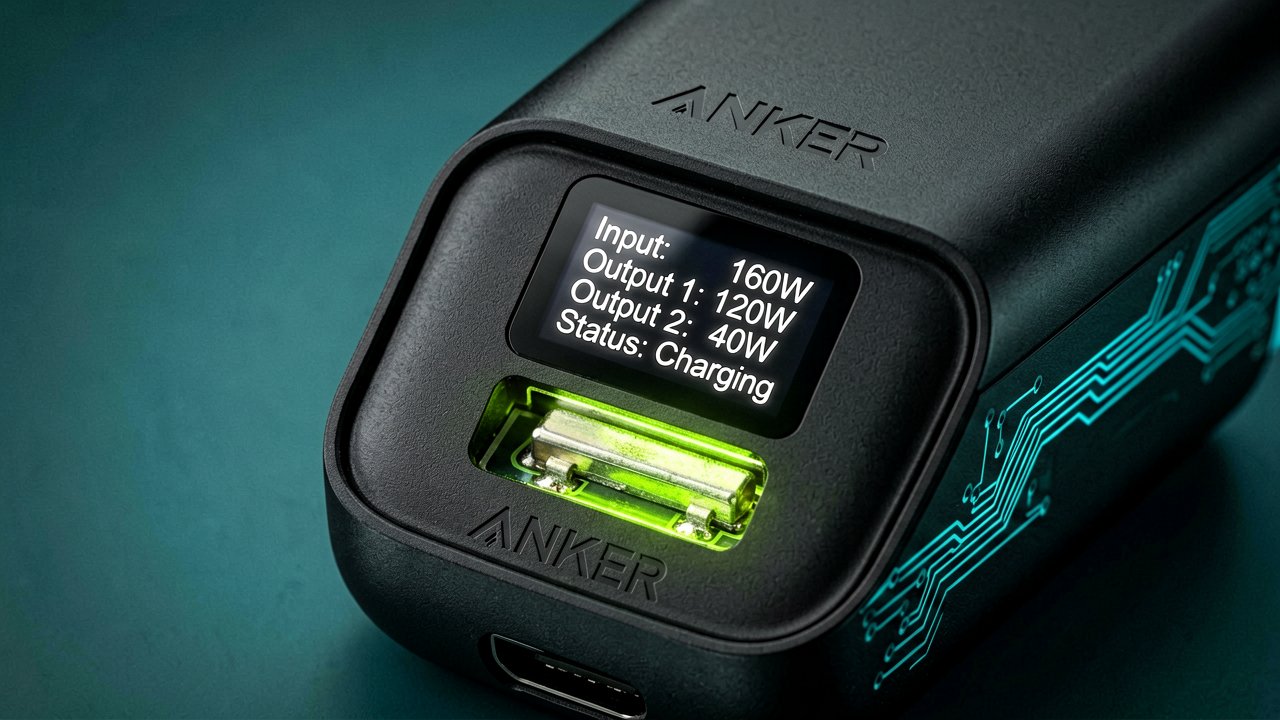
If you've been holding off on upgrading your desk setup or travel kit, your patience is about to pay off. As we approach mid-May 2026, the tech world is buzzing with signals that Anker Day is right around the corner. We aren't just talking about a few incremental battery pack updates either; rumors and recent filings suggest Anker is ready to pull the curtain back on a "strategically broad" range of hardware. From what we've gathered, the focus this year is shifting toward high-efficiency DC power and ultra-fast Qi2.2 wireless standards that'll make current chargers look like relics. According to reports from Notebookcheck, the company has already started teasing "extra-large" additions to its premium Prime lineup, hinting at high-capacity solutions designed for the power-hungry "modern nomad."
It's not just about the brick in your wall anymore. Anker's sub-brands—Soundcore, Eufy, and Nebula—are also expected to join the fray with releases that actually feel like they're solving real-world problems. We're keeping a close eye on the Solix C300 DC, a specialized power station that looks more like a sleek water bottle than a clunky generator. It’s tailored specifically for remote workers who need to keep everything from a MacBook Pro to a Starlink Mini running deep in the woods. Industry insiders at Mighty Gadget have highlighted that many of these products, first glimpsed in early 2026 showcases, are finally hitting retail channels this month. Whether you're looking for a robot mower that actually handles your lawn's edges or a pair of earbuds that swap between noise-canceling and open-ear designs on the fly, this mid-year launch looks like the moment Anker finally unifies its diverse ecosystem.
Power Delivery Redefined: The New Prime and Nano Kits
The star of the show is undoubtedly the new 2026 Prime series. We're seeing a push toward smarter displays on chargers—not just to show you wattage, but to manage multi-device distribution more intelligently. A new 160W 3-port charger is reportedly leading the charge, featuring a smart display that helps you prioritize which device gets the juice first. For the Apple crowd, the upcoming Prime 3-in-1 Wireless Charging Station is a big deal; it’s expected to support Qi2.2, which matches Apple’s 25W MagSafe speeds without the official "Made for iPhone" tax. It’s a bold move that puts Anker directly in competition with Apple’s own accessory line, offering more versatility and, frankly, a better aesthetic for your nightstand.
Beyond Charging: Smart Homes and Mobile Theaters
While charging is Anker’s bread and butter, the 2026 lineup proves they’re serious about dominating the rest of your house. The Eufy branch is moving into high-end security with the E40 Smart Lock, which uses 3D facial recognition to let you in—think FaceID for your front door. Meanwhile, for those who want a cinema experience that fits in a backpack, the Nebula P1i portable projector is making waves. As detailed by PR Newswire, this little unit packs official Netflix and Google TV support into a flip-open design with speakers that actually rotate to hit the sweet spot of your room. It’s a far cry from the grainy, low-lumen projectors of years past, and it signals that Anker is no longer just the "battery company," but a legitimate contender in the premium lifestyle tech space.
The Engineering Pivot: Why 2026 is Different
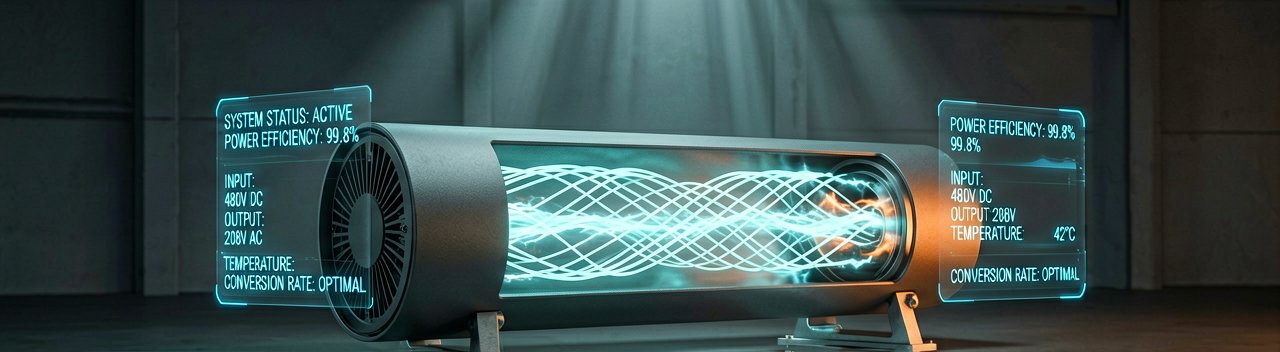
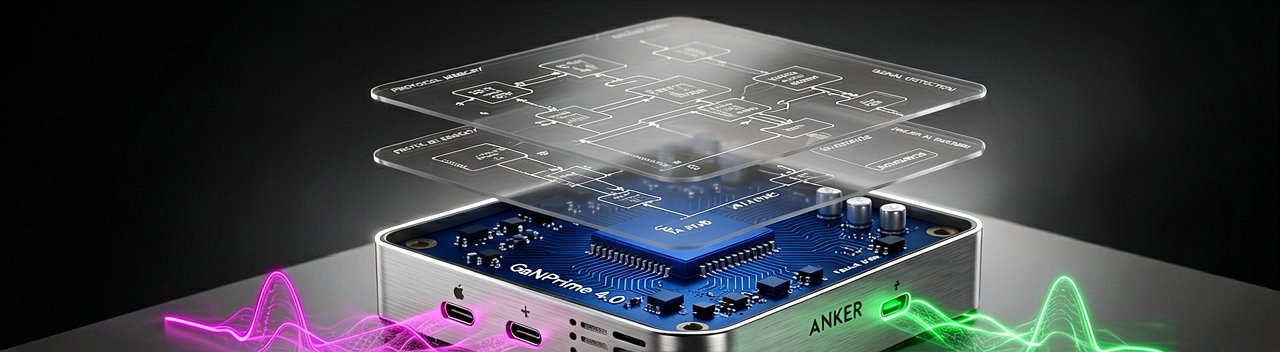
The Strategic Reality: Behind the sleek matte finishes and the marketing buzz of Anker Day 2026 lies a massive internal shift in how the company views the portable power market. For years, Anker dominated by being the "better-than-the-cable-in-the-box" choice, but as smartphone manufacturers have plateaued in charging speeds, the veteran accessory maker had to find a new mountain to climb. This year’s deep dive into the "Prime" ecosystem represents a calculated gamble on GaNPrime 4.0 technology. By moving beyond simple silicon and even early gallium nitride, they’ve managed to shave another 15% off the heat profile of their 160W bricks, a feat that engineers at competing firms have struggled to replicate without increasing the physical footprint.
Historically, Anker’s relationship with the broader retail market was one of sheer volume, but internal stakeholder discussions suggest a move toward higher margins through specialized hardware. The Solix line, for example, isn't just a battery; it’s a response to the "van-life" and remote-work boom that hasn't slowed down since the mid-2020s. By prioritizing DC-to-DC efficiency in the new C300 series, Anker is effectively cutting out the middleman—the power-hungry inverter—which allows digital nomads to squeeze an extra two hours of laptop life out of the same capacity. This isn't just a specs race; it's a fundamental understanding of how energy is wasted in the transition from a portable station to a high-end workstation.
The industry is also watching how Anker navigates the increasingly complex world of proprietary charging standards. While the USB-IF tries to keep things universal, manufacturers like Xiaomi and Oppo continue to push hyper-fast, closed-loop systems. Anker’s play in 2026 is to act as the ultimate "Switzerland" of the tech world. By embedding AI-driven handshake protocols into their new desktop hubs, they are attempting to detect and mimic the specific handshake signals of various laptop brands. This ensures that a Dell XPS and a MacBook Pro both get their maximum rated intake from the same port simultaneously, a technical hurdle that has plagued multi-device chargers for the better part of a decade.
Looking at the Eufy and Soundcore expansions, there’s a clear push toward localized data processing, which has become a major selling point for privacy-conscious consumers. The new security hardware isn't just sending footage to the cloud; it's using an onboard neural processing unit to distinguish between a stray cat and a delivery driver before the notification even leaves the device. This "edge computing" approach reduces latency and, more importantly, builds a layer of trust that cloud-only competitors are currently lacking. It’s a sophisticated pivot from being a peripheral company to becoming the central nervous system of the modern home.
Finally, the "Anker Day" event itself has evolved from a simple sales holiday into a platform for sustainability optics. The 2026 product range marks the first time the company has achieved over 80% recycled post-consumer plastics across its entire Nano line. Investors have been vocal about the environmental impact of "e-waste" cables and chargers, and this launch serves as a rebuttal to those concerns. By extending the lifecycle of these devices through better thermal management and more durable braided materials, Anker is attempting to move away from the "disposable" reputation that has haunted the accessory industry since the early days of the smartphone revolution.
The Hidden Cost of the "Everything" Ecosystem
Reading Between the Lines: While the Anker Day 2026 announcements paint a picture of a seamless, high-powered future, a healthy dose of skepticism reveals a growing tension in the company’s "universal" philosophy. Anker has long been the champion of the open standard, yet the push into high-spec Qi2.2 and AI-driven handshake protocols suggests they are building their own kind of walled garden—albeit one constructed with USB-C bricks. By making their hardware so intelligent that it can mimic proprietary signals, they are effectively subsidizing the refusal of major tech giants to agree on a single charging standard. It’s a brilliant business move, but it places a heavy technical burden on the consumer, who must now pay a premium for a "smart" charger just to bypass the artificial limitations of their own devices.
There is also a palpable contradiction in the narrative of sustainability versus the relentless release cycle. Anker touts the longevity and recycled materials of the new Nano and Prime lines, yet the very existence of "Anker Day" as an annual FOMO-driven event encourages users to ditch perfectly functional 2025 gear for the marginal gains of 2026. The irony is that as these chargers become more durable and efficient, the actual necessity for a yearly upgrade diminishes. We are reaching a point of "peak charger," where the hardware is finally outlasting the gadgets it’s meant to power, leaving the marketing department with the unenviable task of convincing us that a 15% reduction in heat is worth a full replacement of our existing kit.
Furthermore, the pivot toward "edge computing" in the Eufy security line and the "smart" features in the Solix power stations introduces a new layer of software complexity to historically "dumb" devices. A charger used to be a reliable, analog-feeling tool; now, it’s a computer that needs firmware updates to recognize a new laptop’s power profile. This shift risks alienating the core demographic that valued Anker for its "it just works" reliability. If a bug in a GaNPrime 4.0 update can throttle your charging speeds or if a security lock’s facial recognition requires a steady Wi-Fi handshake to process its local AI, the utility of the hardware begins to erode under the weight of its own sophistication.
Ultimately, Anker’s 2026 strategy is a play for total desk-space dominance. By expanding Soundcore and Nebula into the same ecosystem, they are betting that consumers would rather deal with one app and one support line than a dozen disparate brands. It’s an ambitious attempt to commoditize the premium space, but it remains to be seen if the average user cares enough about "DC-to-DC efficiency" to justify the premium price tags. As the lines between a battery company and a consumer electronics titan continue to blur, the real test will be whether Anker can maintain its reputation for value while charging prices that rival the very "big tech" players it once aimed to disrupt.
In the end, we’re all just paying $100 for a very sophisticated brick that tells us what we already know: our phones are dying, and we probably should have stayed home instead of trying to run a mobile cinema in the middle of a forest.
Artūras Malašauskas is an AI Systems Integrator with 20+ years of production-grade web engineering experience. He has designed, shipped, and scaled enterprise Python/PHP systems for logistics, SaaS, and public-sector clients. For the past year, he has focused exclusively on AI integrations: deploying open-source LLMs, building generative media pipelines (image, audio, video), and engineering multi-agent workflows for real production environments. His standard: reproducibility, security, cost-efficient inference—no vaporware. He documents and evaluates emerging AI tooling, separating verified capabilities from marketing noise. Technical editor at: muza-ai.eu, ai-verslas.lt, ai-naujinos.lt Connect on LinkedIn
Comments