The Tariff Trap: Sony’s Multi-Billion Dollar Legal Gamble Over PlayStation 5 Pricing
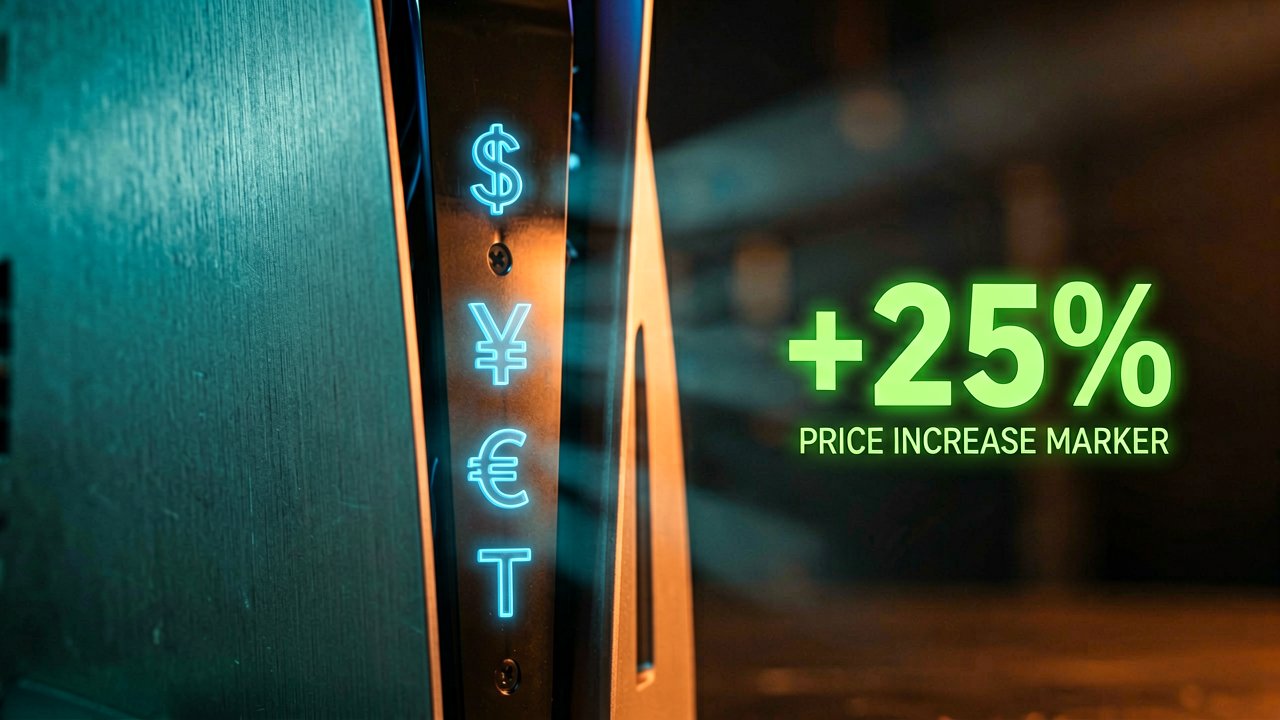
The Price of Play: Sony Under Fire as "Illegal" Tariff Windfall Sparks Legal Battle
If you felt a sudden pinch in your wallet when eyeing a PlayStation 5 last year, you weren’t alone. Sony Interactive Entertainment (SIE) is currently finding itself in the crosshairs of a proposed class-action lawsuit, filed by two disgruntled gamers who claim the tech giant effectively double-dipped on controversial import duties. The suit, Walker et al v. Sony Interactive Entertainment LLC, was recently filed in a California federal court, alleging that Sony reaped a "substantial windfall" at the expense of American consumers. According to Law360, the plaintiffs argue that Sony hiked console prices to offset tariffs that were later struck down as unconstitutional, yet the company hasn't exactly been in a hurry to pass those savings back to the players.
The backstory reads like a textbook case of geopolitical friction meeting the gaming world. Back in August 2025, Sony bumped the price of its PlayStation 5 consoles by roughly $50, citing a "challenging economic environment" amidst sweeping tariffs imposed by the Trump administration. While Sony didn’t explicitly pin every cent of the hike on the levies at the time, industry analysts and trade reports from Fortune noted that the 145 percent tariff on Chinese-manufactured electronics was essentially a direct hit to SIE's hardware margins. For a company that makes the lion's share of its consoles in China, the math was brutal—but the plaintiffs claim the solution was even more unfair to the average gamer.
Things got complicated when the U.S. Supreme Court stepped in, ruling in early 2026 that those very tariffs were unconstitutional. This decision opened the floodgates for companies to reclaim billions in overpaid duties from the government. Here’s where the "windfall" accusation kicks in: gamers like Amorey Walker and Bryce Foster-Quarles allege that while Sony is now eligible for massive refunds from the authorities, it has maintained its elevated pricing and failed to compensate customers who already paid the "tariff premium." As reported by WNHub, the plaintiffs are seeking to represent all Americans who purchased a PS5 after August 1, 2025, demanding that Sony cough up the overpaid amounts.
It’s a sticky situation for SIE, which has remained tight-lipped on the litigation so far. This isn't just about Sony, though; the case follows a similar legal salvo aimed at Nintendo, suggesting a broader trend of consumers demanding a slice of the tariff refund pie. Whether the court will force a giant like Sony to retroactively adjust its prices remains to be seen, but for now, the message from the gaming community is loud and clear: if the government is giving the money back, the people who actually paid the bill want their cut too.
Do you think hardware manufacturers should be legally required to refund price hikes if the underlying economic justification—like a tariff—is reversed?
The Hidden Lever: Why the Sony Suit Is More Than Just a Pricing Squabble
Beyond the Bottom Line: To understand why this legal firestorm is catching so much oxygen, you have to look past the $50 price tag and into the opaque world of "just-in-time" supply chains and corporate risk hedging. When Sony hiked the price of the PS5 in 2025, they framed it as a global necessity, but the reality was far more localized to the American port of entry. Unlike Microsoft, which had more flexibility with domestic sourcing for certain Xbox components, Sony’s reliance on its sprawling manufacturing hubs in China left it uniquely exposed to the 145 percent tariff. For a seasoned tech reporter, the price hike felt less like an economic inevitability and more like a tactical transfer of risk from the boardroom to the living room.
What most surface-level reports miss is the sheer complexity of the "duty drawback" process that SIE is likely navigating behind the scenes. If Sony wins back its billions from the U.S. government, that money doesn't just sit in a "refund" bucket; it gets folded into quarterly earnings, often masking other operational inefficiencies. The plaintiffs in Walker v. Sony are essentially arguing that Sony used a geopolitical crisis as a convenient shield to pad its margins. From the perspective of a consumer advocate, this isn't just about a tariff—it’s about the precedent of "sticky prices," where costs go up during a crisis but miraculously fail to come down once the storm passes.
Historically, the gaming industry has been remarkably resilient to inflation, keeping console prices stagnant for decades at the $399 or $499 mark. Sony broke that unspoken contract during the PS5 era, and this lawsuit represents the first major pushback against that new reality. While Sony's legal team will undoubtedly argue that the price hike was a "market adjustment" influenced by multiple factors—including skyrocketing shipping costs and semiconductor shortages—the timing of the Supreme Court's tariff ruling has pinned them into a difficult rhetorical corner. If the "unconstitutional" levies were the catalyst for the hike, their removal leaves Sony holding a bag of cash that many feel belongs to the public.
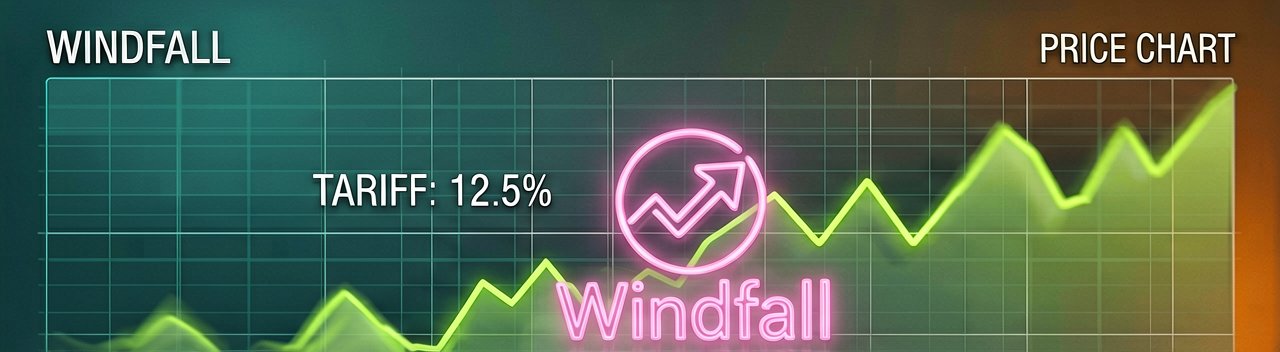
Internal stakeholders at SIE are likely sweating the discovery phase of this trial. If internal memos surface suggesting that the $50 hike was calculated to exceed the actual cost of the tariffs, the "windfall" argument moves from a theory to a documented strategy. We’ve seen this play out in the auto industry and with consumer electronics before, but rarely with a product as culturally central as the PlayStation. For now, Sony is playing a game of chicken with the federal court, hoping that the complexities of international trade law will bore the jury into submission before they have to cut a multi-million dollar check to the very fans who keep their ecosystem alive.
If Sony is forced to settle, should they offer direct cash refunds to verified owners, or would you accept a "PlayStation Store Credit" as a compromise?
The Regulatory Ripple Effect: Precedent, Profit, and the Myth of the "Clean" Refund
Reading Between the Lines: While it’s tempting to view this as a classic David-versus-Goliath showdown, the analytical reality is far messier. The core assumption of the lawsuit is that a price hike is a surgical operation—remove the tariff, and the price should drop back to its original state. However, this ignores the "ratchet effect" of corporate economics. Sony’s defense will likely lean into the fact that while tariffs were the headline-grabbing villain, the 2025 hike occurred against a backdrop of permanent shifts in global logistics. If SIE can prove that labor costs in China or maritime insurance premiums rose concurrently with the tariffs, they can argue that the price hike was "sticky" by necessity, not by greed. The contradiction here is glaring: Sony wants the government to treat the tariff as an isolated, refundable error, while simultaneously asking consumers to view it as part of an inseparable, permanent cost of doing business.
The broader implications of this case extend far beyond the console war. If the California federal court sides with the plaintiffs, it sets a massive precedent for "indirect refund" liability. Imagine the chaos if every retail giant—from Apple to Walmart—was suddenly on the hook for every price adjustment made during a period of fluctuating trade policy. It would effectively turn the judiciary into a national price-control board. Skeptics within the legal tech sphere suggest that Sony might actually prefer a settlement precisely to avoid a ruling that creates such a rigid link between government levies and retail MSRP. For Sony, a few million dollars in store credit is a rounding error; a legal ruling that dictates how they price their hardware is an existential threat to their autonomy.
Furthermore, we have to consider the "phantom player" in this drama: the secondary market. If Sony is forced to issue refunds, how do you handle the millions of consoles sold through third-party retailers like Best Buy or individual scalpers? The logistics of a mass refund are a nightmare that often results in the only real winners being the law firms collecting 30% of the settlement. There is a cynical irony in the fact that a lawsuit intended to protect the "little guy" might ultimately lead to Sony raising prices elsewhere—perhaps on software or subscriptions—to recoup the legal fees and settlement costs. In the end, the house always wins, even if it has to change the name of the game to do it.
Maybe the real "Greatness Awaits" was just the friends we made along the way—and by friends, I mean the class-action attorneys who are the only ones guaranteed to walk away from this with enough cash to buy a PS6 on launch day without checking their bank balance.
Artūras Malašauskas is an AI Systems Integrator with 20+ years of production-grade web engineering experience. He has designed, shipped, and scaled enterprise Python/PHP systems for logistics, SaaS, and public-sector clients. For the past year, he has focused exclusively on AI integrations: deploying open-source LLMs, building generative media pipelines (image, audio, video), and engineering multi-agent workflows for real production environments. His standard: reproducibility, security, cost-efficient inference—no vaporware. He documents and evaluates emerging AI tooling, separating verified capabilities from marketing noise. Technical editor at: muza-ai.eu, ai-verslas.lt, ai-naujinos.lt Connect on LinkedIn
Comments