Apple’s Fall Blitz: Breaking Down the 15+ New Products Headed Your Way
The tech world usually treats September as the unofficial "Apple Month," but this year, the sheer volume of anticipated releases is enough to make even seasoned analysts double-check their spreadsheets. Rumors and supply chain reports suggest that Apple is gearing up to launch more than 15 new products and variations before the year draws to a close. This isn't just a routine iteration; it is a calculated blitz designed to integrate Apple’s new AI-driven ecosystem into every corner of your digital life.
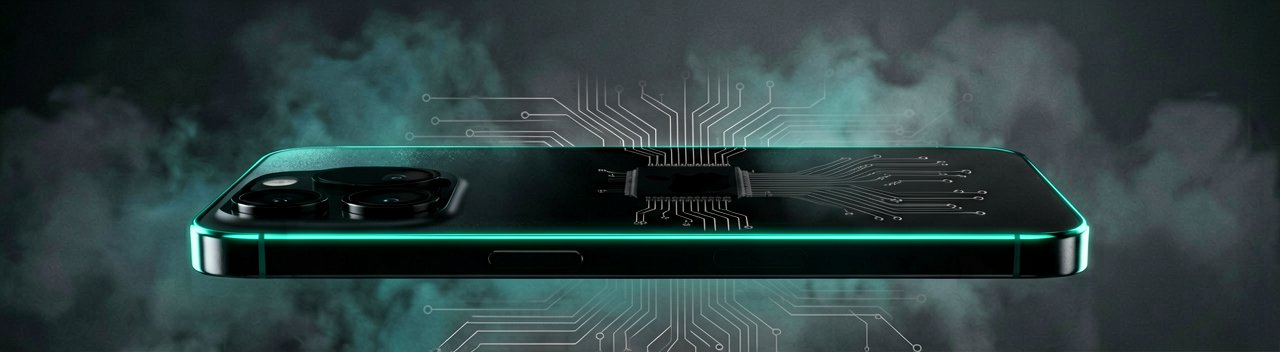
At the center of this hurricane is the iPhone 16 series. We are looking at four distinct models—the iPhone 16, 16 Plus, 16 Pro, and 16 Pro Max—all of which are expected to lean heavily into "Apple Intelligence." While the external design might feel familiar to long-time users, the internal architecture is undergoing a significant shift to support the generative AI features first unveiled at WWDC. According to reports from Bloomberg, the Pro models may also feature slightly larger displays, pushing the boundaries of what we consider a "standard" smartphone size.
The Wearables Revolution: Series 10 and Beyond
It’s a milestone year for the wrist, as the Apple Watch celebrates its tenth anniversary. Industry insiders are calling the upcoming flagship the "Apple Watch Series 10" or perhaps the "Apple Watch X," mimicking the iPhone’s famous tenth-anniversary rebranding. Expect a thinner chassis and a more efficient magnetic band attachment system. Alongside the flagship, a third-generation Apple Watch Ultra is expected to make an appearance, potentially sporting a faster processor and improved health sensors for sleep apnea and blood pressure monitoring, as detailed by MacRumors.
Audio is also getting a major facelift. The AirPods lineup hasn't seen a massive shakeup in a while, but this fall is rumored to bring two separate versions of the entry-level AirPods 4. These models will reportedly replace both the aging AirPods 2 and AirPods 3, offering a mid-tier option with Active Noise Cancellation for the first time in a non-Pro model. We might also see a USB-C refresh for the premium AirPods Max, though a full "AirPods Max 2" remains a subject of heated debate among leakers.
Silicon Shifts: The M4 Mac Invasion
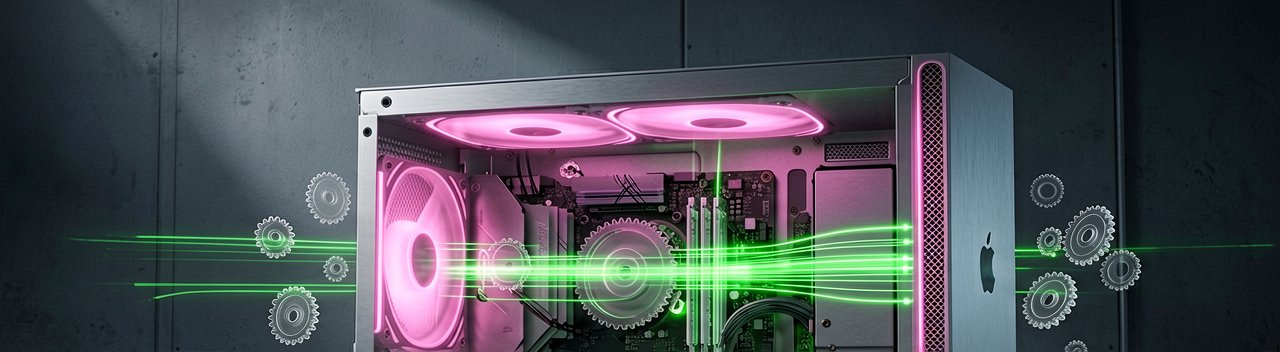
If you thought the M4 chip was only for the iPad Pro, think again. This fall, Apple is expected to migrate its entire core Mac lineup to the latest silicon. The MacBook Pro (14-inch and 16-inch models) will likely receive M4, M4 Pro, and M4 Max configurations. But the real star of the show might be the Mac mini. Rumors compiled by 9to5Mac suggest the Mac mini will receive its first major redesign in over a decade, shrinking to a footprint nearly as small as an Apple TV while packing significantly more punch.
The 24-inch iMac is also due for its M4 upgrade, likely accompanied by a switch to USB-C for its accessories (Magic Keyboard, Mouse, and Trackpad) to comply with EU regulations. For creative professionals, this cycle represents a rare moment where almost every desktop and laptop in the catalog is synchronized under the same cutting-edge architecture. This hardware parity is crucial for Apple’s strategy to ensure "Apple Intelligence" runs smoothly across all platforms.
Rounding Out the Ecosystem: iPads and Accessories
The iPad family isn't being left behind. While the Pro and Air models were refreshed earlier this year, the iPad mini 7 is a prime candidate for a fall reveal. After years without an update, the smallest tablet in the lineup is expected to get a faster chip to fix "jelly scrolling" issues and, naturally, support the company’s new AI tools. A refreshed entry-level iPad (11th Gen) is also a possibility, though some analysts suspect that may slip into early next year according to Laptop Mag.
Beyond the core gadgets, we expect several smaller but significant updates. New MagSafe cases, a fresh palette of Apple Watch bands, and potentially a new Apple TV 4K with an improved processor for gaming and AI interactions are all on the table. With the official launch of Apple Newsroom updates regarding iOS 18, the software will serve as the connective tissue that makes these 15+ devices feel like a unified leap forward rather than just a collection of new parts.
For consumers, this massive product dump means more choices—and more confusion. If you’ve been holding onto an aging iPhone 13 or an Intel-based Mac, this fall is clearly the "jump-in" point Apple has been building toward. The sheer scale of this rollout indicates that Apple isn't just looking to sell more units; they are looking to reset the baseline for what a modern, AI-integrated device ecosystem looks like. Whether you're a pro user or a casual fan, your wallet should probably start preparing now.
In short, the next few months will be a whirlwind of "One More Thing" moments. Between the anniversary-edition watch, the miniaturized Mac mini, and the AI-infused iPhone 16, Apple is making a loud statement: they are ready to dominate the next era of personal computing. Stay tuned, because the keynote season is about to get very crowded.
The Strategic Undercurrents: Beyond the glossy hardware renders and the inevitable "best ever" stage presentations, Apple’s massive fall rollout is a calculated defensive and offensive maneuver. For the first time in years, the company finds itself playing a game of catch-up in the generative AI space. This 15-product blitz is less about hitting a quota and more about creating a hardware "floor" that is capable of running Apple Intelligence locally. By refreshing the iPad mini, the base iPhone 16, and the entire Mac lineup simultaneously, Apple is ensuring that its user base isn't fragmented between those who can access new AI features and those who are left behind in the legacy ecosystem.
The manufacturing logistics behind a simultaneous launch of this scale are staggering. Apple’s primary assembly partner, Foxconn, has reportedly entered its peak hiring season earlier than usual, offering significant bonuses to secure the labor required for the iPhone 16 production ramp-up. Coordinating the supply chain for a redesigned Mac mini, a new anniversary Watch, and four different iPhones requires a level of operational precision that few companies on earth can replicate. This "everything at once" strategy is designed to dominate the holiday news cycle and drain consumer electronics budgets before competitors can respond.
The Silicon Supremacy Race
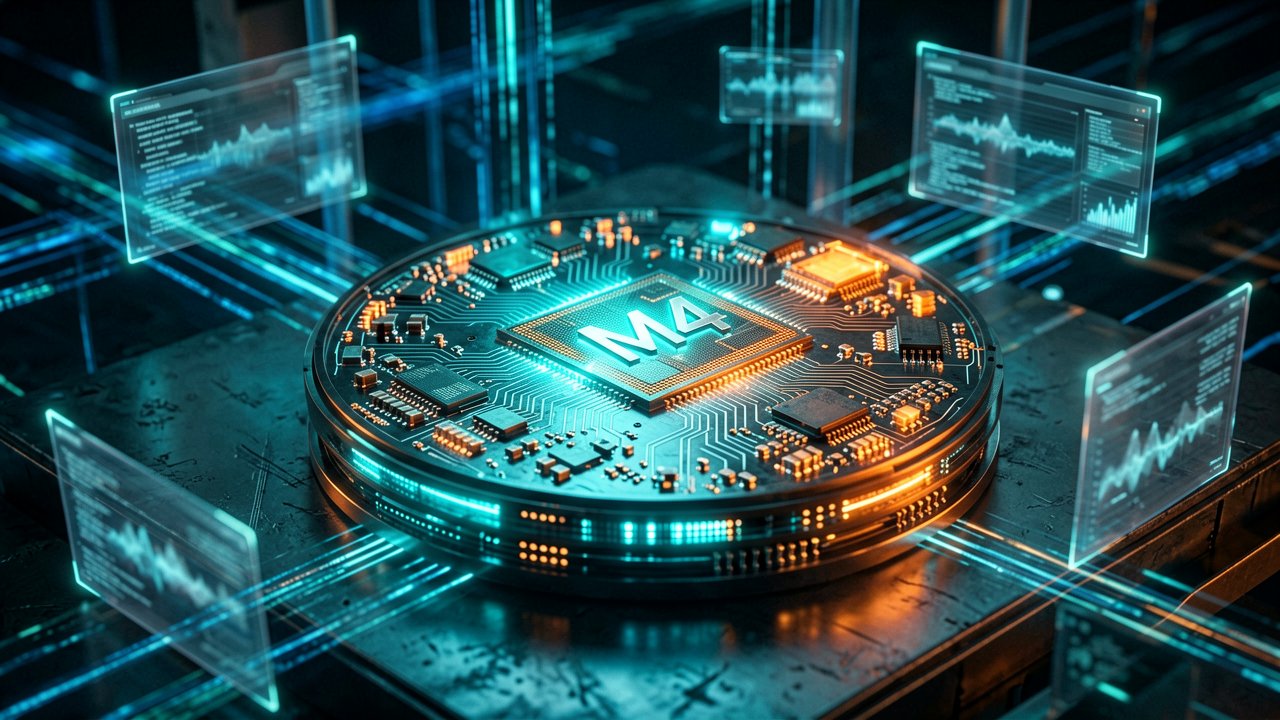
The transition to the M4 chip across the Mac lineup is particularly telling of Apple’s current priorities. While the M3 was a solid iterative step, the M4 is being positioned as a specialized AI engine. The Neural Engine inside these chips is the real hero of the story, designed specifically to handle the large language models (LLMs) that power Siri’s upcoming transformation. By pushing M4 into the iMac and MacBook Pro so quickly after its debut in the iPad Pro, Apple is signaling that the era of "standard" computing is over; every machine must now be an AI workstation by default.
However, this aggressive push isn't without its risks. Apple is navigating a complex geopolitical landscape that impacts its silicon production at TSMC. The shift to 3-nanometer process technology for these new chips is expensive and technically demanding. Any yield issues at the foundry level could lead to supply constraints for the high-end Pro Max or the M4 Max MacBook Pros, potentially pushing delivery dates into the late winter. The fall event isn't just a marketing showcase; it is a test of Apple’s ability to maintain its "Just in Time" manufacturing philosophy in an increasingly volatile global market.
Reinventing the Watch and the Home
The Apple Watch Series 10 represents a different kind of challenge: overcoming "update fatigue." Wearables have reached a plateau where year-over-year changes often feel negligible. By leaning into a "Series X" style redesign, Apple is attempting to replicate the excitement of 2017’s iPhone X launch. This isn't just about aesthetics; the rumor of a magnetic band system suggests a total internal rethink to make room for a larger battery, addressing the number one complaint users have had for a decade. It is a bold move that renders years of existing band collections obsolete—a classic Apple "courage" moment that forces the ecosystem forward.
Furthermore, the focus on the Mac mini’s shrinking footprint suggests Apple is eyeing the living room more aggressively. A Mac mini that is the size of an Apple TV, but with the power of an M4 Pro chip, becomes the ultimate "stealth" computer. It can act as a high-end gaming console, a media server, or a hub for localized AI processing in a smart home. This move bridges the gap between the desktop and the television, potentially laying the groundwork for the long-rumored home robotics or smart display products we expect to see in 2025.
The Economic and Cultural Stakes
From a corporate standpoint, this fall cycle is critical for Apple’s stock performance and its standing with investors who have been anxious about the company’s AI roadmap. The "Glowtime" or "It's Showtime" atmosphere of these events serves to reassure the market that Apple’s walled garden is more fortified than ever. By integrating AI so deeply into the hardware—from the specialized "Capture" button on the iPhone 16 to the upgraded microphones on the AirPods 4—Apple is making the case that AI is not just a software service, but a physical experience that requires their specific hardware to enjoy.
Culturally, this launch marks a shift in how we interact with our devices. For the last few years, the "Pro" moniker was reserved for those who needed extra power for video editing or photography. With this fall's lineup, the definition of "Pro" is shifting toward AI capability. If you want the most responsive assistant or the best real-time translation features, you are pushed toward the new hardware. This creates a powerful upgrade incentive that Apple is banking on to drive a "super-cycle" of sales that could rival the transition to 5G seen with the iPhone 12.
Ultimately, the story of this fall isn't found in any single product, but in the synergy of the 15+ releases. It is a massive, coordinated strike across every category Apple competes in. Whether it’s the entry-level iPad or the maxed-out MacBook Pro, the message is the same: the future of Apple is here, and it’s powered by a combination of high-density silicon and proprietary intelligence. As the invitations for the September event go out, the rest of the tech industry is left wondering how to compete with a company that is seemingly refreshing its entire identity in the span of eight weeks.
The High-Stakes Gamble of Unified Silicon: When analyzing Apple’s decision to launch over 15 products in a single window, we aren't just looking at a retail strategy; we are witnessing a fundamental pivot in the company’s capital allocation. Historically, Apple has staggered releases to keep its brand at the top of the news cycle year-round. This move to synchronize the iPhone, Apple Watch, and the entire Mac lineup under the banner of "Apple Intelligence" suggests a company that feels an existential need to prove its AI dominance immediately. By flooding the market with M4-capable hardware, Apple is attempting to create a "hardware moat" that makes competing software ecosystems feel sluggish by comparison.
The economic implications of this "everything at once" approach are twofold. On one hand, it creates a massive spike in revenue for the holiday quarter, likely pleasing shareholders who have been wary of stagnant iPhone sales. On the other hand, it risks "cannibalizing" the attention of the consumer. When a user is presented with a new iPhone, a redesigned Apple Watch, and a powerful new Mac mini all at once, the decision-making process becomes a zero-sum game for the consumer's wallet. Apple is betting that the synergy of the ecosystem—the way the new AirPods will interact with the new iPhone’s AI—will encourage multi-product "bundle" purchases rather than single-item upgrades.
The Industrial Design Paradox
Analytically, the redesign of the Mac mini and the Apple Watch Series 10 highlights a fascinating shift in Apple’s design philosophy. For years, Apple followed the "S-year" logic—steady, iterative improvements on a proven chassis. However, the reported move toward a "tiny" Mac mini suggests that thermal efficiency in the M4 chip has reached a point where the enclosure is no longer a constraint but a choice. This allows Apple to market "newness" as a physical attribute, which is essential for driving upgrades in a mature market where internal specs alone often fail to move the needle for the average buyer.
We must also consider the supply chain as a competitive weapon. By placing massive orders for 3-nanometer chips and high-density displays for 15+ different products, Apple effectively "locks up" the global supply of premium components. Competitors like Samsung or Google may find themselves facing higher costs or longer lead times because Apple has already reserved the lion’s share of manufacturing capacity. This is a classic Tim Cook maneuver: using the company's sheer scale to stifle the competition’s ability to innovate at the same pace or price point.
The AI Monetization Strategy
A deeper look at the iPhone 16 lineup reveals that "Apple Intelligence" is the primary driver behind the hardware specifications. The decision to reportedly put 8GB of RAM in the base models—a move Apple has resisted for years—is a technical necessity for running local Large Language Models. From an analytical perspective, this is a forced upgrade cycle. Apple isn't just selling a better camera or a faster processor; they are selling access to a new tier of software that simply will not function on older hardware. This "feature-gating" is a powerful tool to convert the massive install base of iPhone 12 and 13 users who have been waiting for a reason to switch.
The wearable segment, specifically the Apple Watch Series 10, is being positioned as a health-tech platform rather than a mere notification hub. By integrating sleep apnea detection and blood pressure monitoring (as rumors suggest), Apple is moving deeper into the regulated medical device space. This creates "stickiness" that goes beyond brand loyalty. Once a user relies on a device for clinical-grade health monitoring, the cost of switching to an Android-based alternative becomes more than just a financial hurdle—it becomes a perceived risk to their personal well-being.
Market Saturation and Long-term Growth
Is there a risk of over-saturation? Launching 15 products could lead to "choice paralysis" among consumers. However, Apple’s marketing machine is expertly tuned to segment these products. The Mac mini redesign targets the minimalist "pro-sumer," while the iPhone 16 Pro Max targets the power user. By offering a refresh across every price point simultaneously, Apple captures the entire spectrum of consumer sentiment, from the budget-conscious student to the high-net-worth professional, all within a single 60-day window.
The long-term play here is the integration of services. Every new M4 Mac or iPhone 16 sold is a new gateway for Apple One subscriptions. As the hardware becomes more capable of handling complex AI tasks, the value proposition for iCloud+, Apple Music, and the eventual "AI+ premium features" increases. Apple is no longer just a hardware company; it is an infrastructure provider for your digital life, and this fall blitz is the construction project that ensures that infrastructure is ready for the next decade of data processing.
In conclusion, the "Fall Blitz" of 2024 is a statement of power. It shows a company that is confident in its supply chain, aggressive in its silicon development, and uncompromising in its push toward an AI-first future. While the sheer volume of news might be overwhelming for the average consumer, for the analyst, it is a clear map of Apple’s intentions: total dominance of the personal technology stack, from the watch on your wrist to the computer on your desk, all tied together by a thread of proprietary intelligence.
"By the end of this year, you’ll either own an M4-powered device, or you’ll be the person at the dinner table wondering why everyone else's Siri actually knows what time their flight is. Just remember: your bank account might hate this 'new era' of AI, but at least your new Mac mini will be small enough to hide in the drawer where you keep all your unpaid bills."
Artūras Malašauskas is an AI Systems Integrator with 20+ years of production-grade web engineering experience. He has designed, shipped, and scaled enterprise Python/PHP systems for logistics, SaaS, and public-sector clients. For the past year, he has focused exclusively on AI integrations: deploying open-source LLMs, building generative media pipelines (image, audio, video), and engineering multi-agent workflows for real production environments. His standard: reproducibility, security, cost-efficient inference—no vaporware. He documents and evaluates emerging AI tooling, separating verified capabilities from marketing noise. Technical editor at: muza-ai.eu, ai-verslas.lt, ai-naujinos.lt Connect on LinkedIn
Comments