Apple Launches iPhone 17e, MacBook Neo, and M5 Macs in March 2026
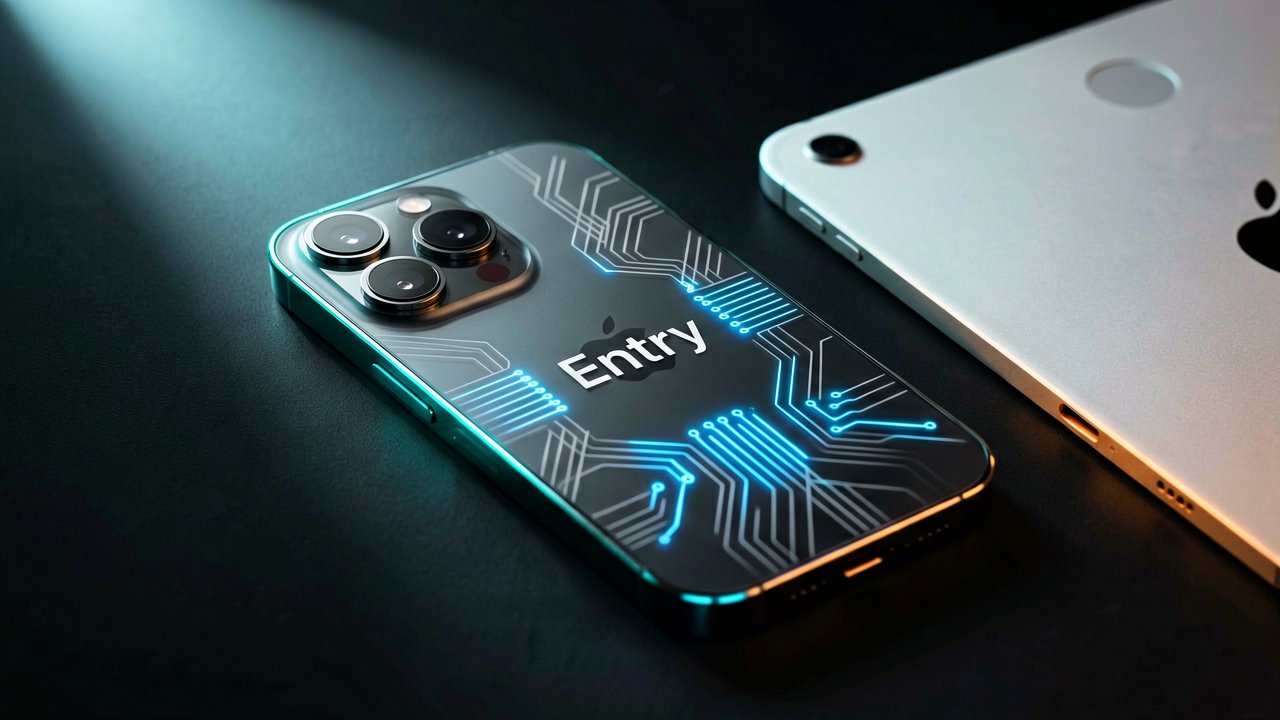
Apple officially announced the iPhone 17e, MacBook Neo, and refreshed Mac and iPad lineups during a March 2026 product launch. The Cupertino company positioned these devices as accessible entry points into its ecosystem while maintaining premium build quality and performance standards.
The iPhone 17e arrives as the most affordable member of the iPhone 17 family, priced at $599 with 256GB of starting storage. According to the official Apple press release, the device features the A19 chip built on 3-nanometer technology, a 48MP Fusion camera system, and a 6.1-inch Super Retina XDR display with Ceramic Shield 2. The new coating provides three times better scratch resistance than the previous generation.
Users will notice the physical difference immediately when handling the device. The matte finish on the black, white, and soft pink color options feels distinct from the glossy surfaces on higher-tier models. The 60Hz refresh rate remains unchanged from the iPhone 16e, which means scrolling through feeds or swiping between apps lacks the buttery smoothness of ProMotion displays. Still, the 1200 nits peak HDR brightness makes outdoor visibility substantially better than older budget options.
The MacBook Neo represents Apple's most aggressive pricing for a laptop ever, starting at $599. The 13-inch device features a fanless aluminum enclosure, Liquid Retina display, and up to 16 hours of battery life. Available in blush, indigo, silver, and citrus, the laptop targets students and enterprise buyers who need reliable computing without the MacBook Air premium. The fanless design means zero noise during operation, though sustained workloads will trigger thermal throttling (a tradeoff that makes sense for this price point).

MacRumors' event guide tracks the broader March 2026 launch window, noting that Apple held "Apple Experience" events in New York, London, and Shanghai on March 4. The coverage confirms the lineup includes the MacBook Air with M5, MacBook Pro with M5 Pro and M5 Max, iPad Air with M4, and new Studio Display models. The MacBook Air now starts with 512GB storage, while the MacBook Pro begins at 1TB for M5 Pro and 2TB for M5 Max configurations.
The M5 chip family brings significant performance gains across the Mac lineup. The new CPU core claims to be the world's fastest, while the next-generation GPU includes a Neural Accelerator in each core. Apple states this delivers up to 4x AI performance compared to the previous generation and up to 8x compared to M1 models. The N1 networking chip enables Wi-Fi 7 and Bluetooth 6 connectivity across both MacBook Air and MacBook Pro.
iPad Air receives the M4 chip while maintaining the same starting price as the previous generation. The 11-inch and 13-inch models support Apple Pencil Pro and Magic Keyboard accessories. For users who primarily consume content or do light creative work, the M4 provides more than adequate performance. The real question is whether the iPad Air can compete with the MacBook Neo when both target similar use cases.
The Studio Display family expands with two options: a standard model and the Studio Display XDR. The XDR variant features a 27-inch 5K Retina XDR display with mini-LED backlight, 2000 nits of peak HDR brightness, and 120Hz refresh rate. Both displays include a 12MP Center Stage camera, three-microphone array, six-speaker sound system with Spatial Audio, and Thunderbolt 5 connectivity.
Apple's retail strategy emphasizes accessibility through multiple channels. Customers can shop at Apple Store locations, online, or through the Apple Store app. The company offers configure-to-order options for MacBook Neo, MacBook Air, MacBook Pro, and Studio Display models, allowing customization of size, chip, memory, storage, and display height. Business support teams assist small and medium enterprises with bulk purchases and deployment.
The pricing strategy reveals Apple's intent to capture emerging markets and price-sensitive consumers. The iPhone 17e at $599 with 256GB storage doubles the entry storage from the previous generation at the same price point. The MacBook Neo at $599 directly competes with Chromebooks and entry-level Windows laptops while offering macOS integration. These devices serve as ecosystem entry points—once users own an iPhone or MacBook, they're more likely to subscribe to iCloud+, Apple Music, or Apple TV+.
Whether users actually pay for these devices remains the real question. The iPhone 17e's 60Hz display and single-lens camera will feel dated to anyone upgrading from a 2023 or newer iPhone. The MacBook Neo's A-series chip lacks Thunderbolt support, limiting external display connectivity to a single monitor. These compromises make sense for the price, but they also define the ceiling of what each device can accomplish.
Time will tell if the "E" segment becomes a sustainable annual product line or just a one-off experiment. For now, Apple has successfully positioned itself to compete in budget categories it previously ignored. Whether that translates to market share gains or just cannibalization of existing products depends on how consumers respond to the tradeoffs.
At least the soft pink iPhone 17e looks better than the translucent plastic iMacs of the late 90s. Some things never change.
Artūras Malašauskas is an AI Systems Integrator with 20+ years of production-grade web engineering experience. He has designed, shipped, and scaled enterprise Python/PHP systems for logistics, SaaS, and public-sector clients. For the past year, he has focused exclusively on AI integrations: deploying open-source LLMs, building generative media pipelines (image, audio, video), and engineering multi-agent workflows for real production environments. His standard: reproducibility, security, cost-efficient inference—no vaporware. He documents and evaluates emerging AI tooling, separating verified capabilities from marketing noise. Technical editor at: muza-ai.eu, ai-verslas.lt, ai-naujinos.lt Connect on LinkedIn
Comments