Samsung Galaxy Z Fold 8 and Smart Glasses Rumored for July 2026
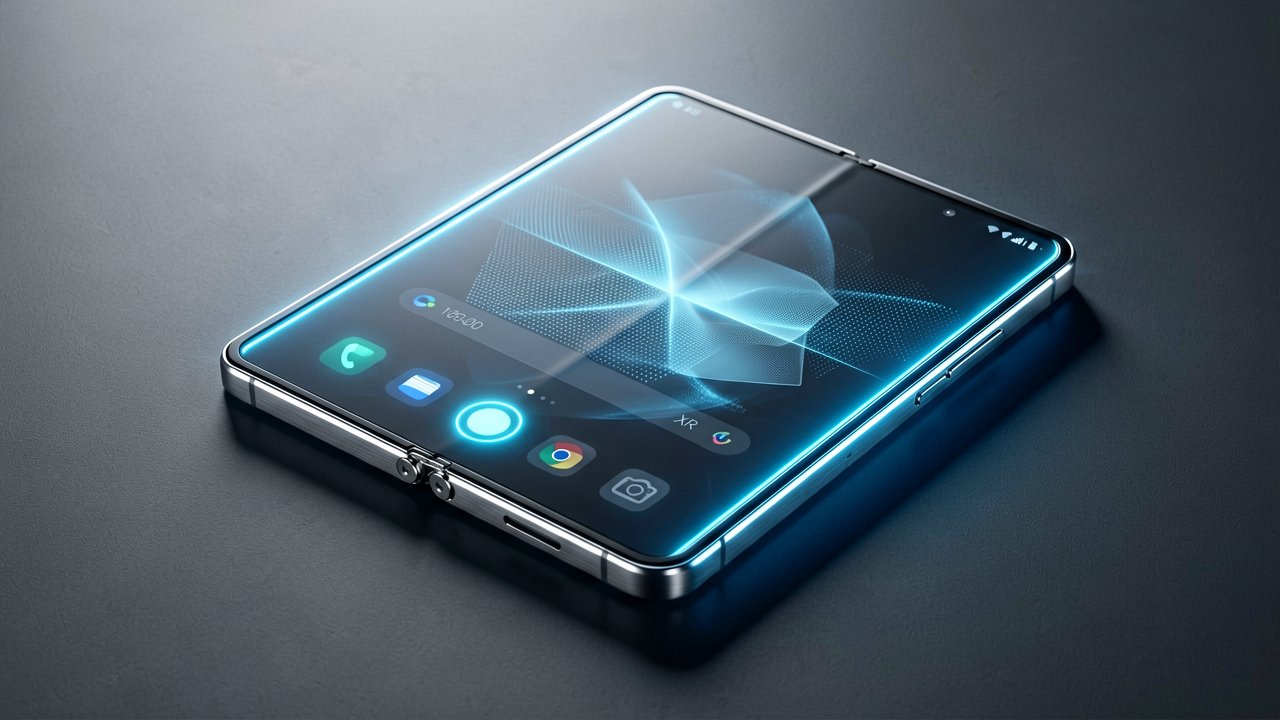
Industry reports indicate Samsung is preparing a major product reveal in the second half of 2026, with the next Galaxy Unpacked event potentially scheduled for July 22 in London. The announcement would mark a significant expansion of the company's foldable lineup and its entry into the smart glasses market.
According to Awaz The Voice, the event centers on the Galaxy Z Fold 8 and Galaxy Z Flip 8, alongside a rumored book-style variant dubbed the "Galaxy Z Fold 8 Wide." This broader display model aims to deliver a tablet-like experience when unfolded, positioning Samsung against competitors like Apple, which is also reportedly preparing a foldable device.
The more intriguing development involves Samsung's first smart glasses, tentatively named Galaxy Glasses. Multiple sources confirm the device is being developed in collaboration with eyewear brand Gentle Monster. The partnership focuses on design and practical competitiveness, with the glasses expected to run on Google's Android XR operating system.
Unlike traditional AR headsets, the Galaxy Glasses appear to prioritize audio and AI over visual overlays. The device will likely include speakers, microphones, and a camera for voice-driven interactions powered by the Gemini AI assistant. This approach mirrors the Meta Ray-Ban formula, though Samsung's integration with Android XR could offer deeper app support and ecosystem connectivity.

Android Central reports that two versions may launch: one with a built-in AR display similar to XREAL glasses, and another without any display at all. The audio-only variant would function as an edge device within Samsung's AI ecosystem, connecting to smartphones and SmartThings home appliances.
Previous leaks from One UI 9 firmware revealed a distinct model number that some analysts speculate could indicate a display-equipped version. This suggests Samsung is testing multiple form factors before committing to a single product direction (a common strategy when entering unproven hardware categories).
The timing aligns with Google's I/O developer conference in May, where the company announced partnerships with Gentle Monster, Warby Parker, and Kering to produce Android XR smart glasses. Samsung's involvement in these collaborations has been confirmed, though the exact division of labor between partners remains unclear.
From a user experience perspective, the physical reality of these glasses matters more than spec sheets. The weight distribution, hinge durability, and how the frame sits on your nose during extended wear will determine whether this becomes a daily driver or a novelty item. Audio-only smart glasses face a different set of challenges than AR displays—battery life, microphone clarity in noisy environments, and the friction of voice commands versus touch interfaces.

Competition in this space is intensifying. Meta has already established a foothold with Ray-Ban smart glasses, while Xiaomi is also entering the market. Samsung's advantage lies in its existing ecosystem—Galaxy users can seamlessly connect the glasses to their phones, watches, and home devices without third-party workarounds.
The Q3 2026 launch window positions Samsung to capitalize on holiday shopping season, though pricing remains unconfirmed. Given the premium positioning of the Galaxy Z series, expect the smart glasses to carry a similar price tag, likely exceeding $500 for the AR version.
None of this has been officially confirmed by Samsung. The company has not announced the July 22 date, the Wide Fold variant, or the Galaxy Glasses specifications. These reports stem from industry sources and leaks, which have proven accurate in the past but remain speculative until verified.
The foldable market itself is maturing. Third-generation devices have addressed early reliability concerns, with improved hinge mechanisms and thinner bezels. The Wide Fold concept represents Samsung's attempt to differentiate beyond incremental upgrades, though book-style foldables face questions about practicality and use cases.
Smart glasses face an even steeper adoption curve. The technology must balance functionality with social acceptance—nobody wants to look like they're wearing a computer on their face. Samsung's partnership with Gentle Monster suggests an emphasis on fashion-forward design, which could help overcome this barrier.
Whether users actually pay for it remains the real question. The smart glasses market has struggled to find mainstream traction, with Meta's Ray-Ban collaboration being one of the few successes. Samsung's entry could validate the category or prove it's still too early for mass adoption.
Time will tell if these rumors materialize at the July event. Until then, the smart glasses remain a speculative product with uncertain pricing, availability, and real-world utility. The foldables are the safer bet—Samsung has a proven track record there. The glasses? That's where the real gamble begins.
And if the glasses end up being just another way to take photos while pretending you're not taking photos, well, at least the hinge won't break.
Artūras Malašauskas is an AI Systems Integrator with 20+ years of production-grade web engineering experience. He has designed, shipped, and scaled enterprise Python/PHP systems for logistics, SaaS, and public-sector clients. For the past year, he has focused exclusively on AI integrations: deploying open-source LLMs, building generative media pipelines (image, audio, video), and engineering multi-agent workflows for real production environments. His standard: reproducibility, security, cost-efficient inference—no vaporware. He documents and evaluates emerging AI tooling, separating verified capabilities from marketing noise. Technical editor at: muza-ai.eu, ai-verslas.lt, ai-naujinos.lt Connect on LinkedIn
Comments