Google Unveils Googlebook: AI-Native Laptops Replace Chromebook Line
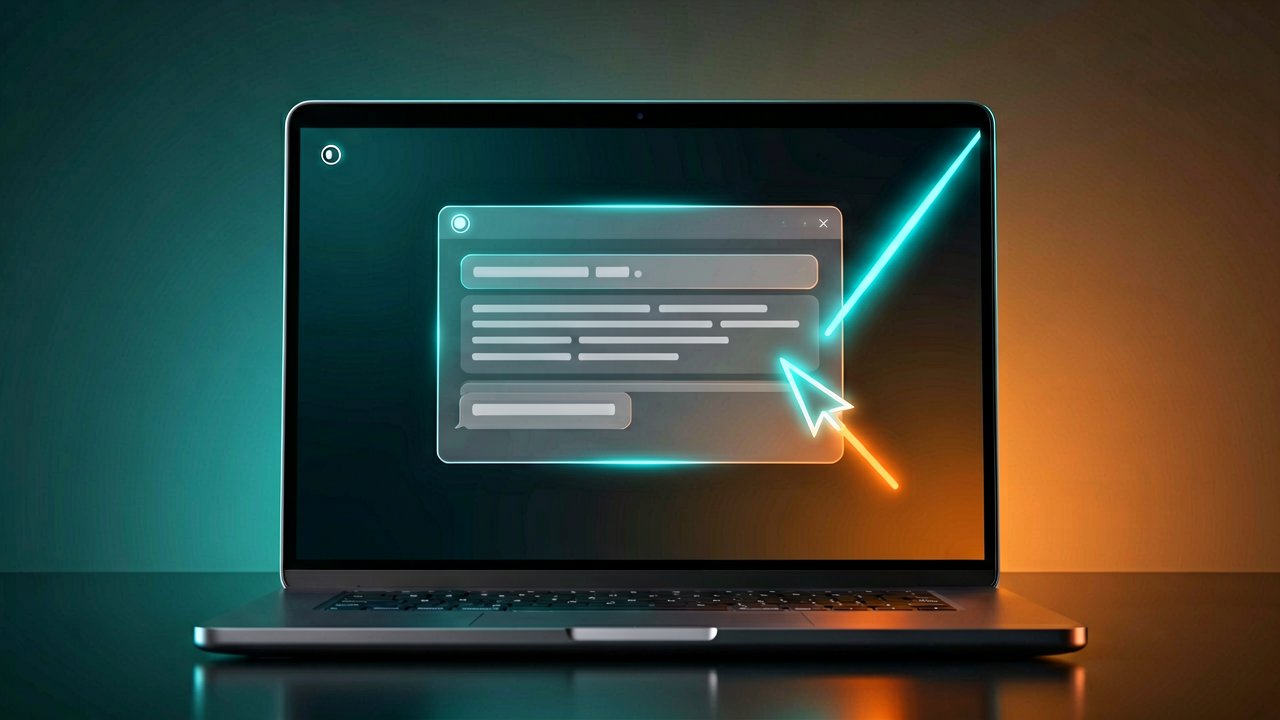
Google officially announced the Googlebook category on Tuesday, May 12, 2026, during the Android Show: I/O Edition event. The new laptop line represents a strategic pivot away from the Chromebook platform that has defined Google's hardware presence for 15 years. This isn't a minor refresh — it's a complete reimagining of what a Google laptop should be in an AI-first computing era.
According to Alexander Kuscher, Google's senior director of Android tablets and laptops, the Googlebook is "the first laptop designed from the ground up for Gemini Intelligence." The announcement came through a dedicated blog post and press briefing, with coverage from TechCrunch capturing the full scope of the reveal.
The headline feature is Magic Pointer, an AI-powered cursor that activates when users wiggle their mouse. Point at a date in an email and it suggests setting up a meeting. Select two images — say, your living room and a new couch — and Gemini visualizes them together. It's built-in but not in your face, as Kuscher put it during the briefing (which is refreshing, given how many AI features feel like they're screaming for attention).
Hardware partners include Acer, ASUS, Dell, HP, and Lenovo. First models arrive this fall, though no specific launch dates or pricing details have been released. Every Googlebook will feature a "glowbar" lightstrip on the exterior lid — described as "both functional and beautiful" — though Google hasn't clarified what functions the lightstrip actually performs.

The operating system shift is significant. Googlebooks won't run ChromeOS. Instead, they'll use what Kuscher called "a modern OS that's designed for Intelligence," which industry observers believe is Project Aluminum — Google's rumored ChromeOS and Android mashup. The new platform runs Android apps natively while maintaining desktop productivity workflows.
Phone integration goes deeper than current Chromebook implementations. Users can cast Android apps from their phone directly onto the Googlebook without downloading them. A Quick Access feature lets you view, search, and insert files from your phone directly through the laptop's file browser. If you need to complete your daily Duolingo lesson but don't want to reach for your phone, the app runs on the laptop instead.
The "Create your Widget" tool lets users build custom widgets through Gemini prompts. The AI pulls information from the web and connects with Gmail and Calendar to build personalized dashboards. Planning a family reunion in Berlin? Gemini gathers flight and hotel details, surfaces restaurant reservations, and adds a countdown widget automatically.
Google confirmed it will continue supporting current Chromebook users through existing update commitments. A spokesperson told TechCrunch that "many Chromebooks will be eligible to transition to the new experience," though specifics on what that transition looks like remain unclear. This is a platform play as much as a hardware one — and a direct answer to Microsoft's Copilot+ PCs that launched in 2024.

Industry context matters here. Apple recently debuted its lower-cost MacBook Neo, while Microsoft has struggled with its AI PC rollout. Google is positioning Googlebooks as premium hardware with "Featherweight Design" and "Heavyweight Power," suggesting mid- to upper-range ultraportables. Expect pricing above typical Chromebook territory, which has evolved from budget devices to machines sitting between $750 and $1,000 at the high end.
The physical experience differs from Chromebooks in tangible ways. The UI resembles an Android tablet interface with a taskbar at the bottom and a desktop fillable with apps or widgets. The glowbar adds a visual element that Chromebooks never had. Magic Pointer changes how you interact with onscreen content — no more clicking through menus to find AI features.
Whether consumers actually want AI-native laptops remains the real question. Microsoft's Copilot+ PC rollout has been uneven, with adoption slower than anticipated. Googlebooks promise better user experience compared to Chromebooks from before, but the market will decide if "intelligence system" computing justifies the likely price premium. Time will tell if this works, or if it's another AI feature that sits unused after the novelty wears off.
Until fall 2026, we're stuck with speculation about specs, battery life, and whether the glowbar actually does anything besides look cool. Stay tuned for more details as launch approaches.
Artūras Malašauskas is an AI Systems Integrator with 20+ years of production-grade web engineering experience. He has designed, shipped, and scaled enterprise Python/PHP systems for logistics, SaaS, and public-sector clients. For the past year, he has focused exclusively on AI integrations: deploying open-source LLMs, building generative media pipelines (image, audio, video), and engineering multi-agent workflows for real production environments. His standard: reproducibility, security, cost-efficient inference—no vaporware. He documents and evaluates emerging AI tooling, separating verified capabilities from marketing noise. Technical editor at: muza-ai.eu, ai-verslas.lt, ai-naujinos.lt Connect on LinkedIn
Comments