iPhone 18 Pro Max Rumors Point to Smaller Dynamic Island, 2nm Chip
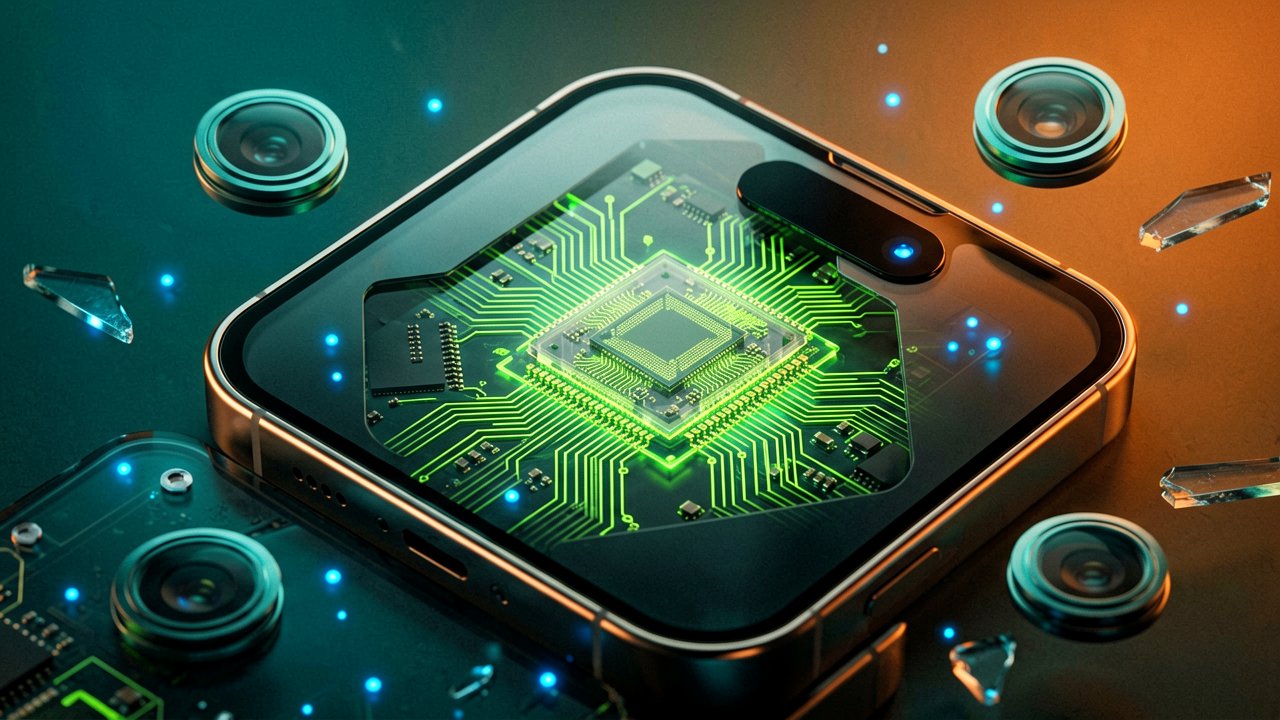
The iPhone 18 Pro Max is shaping up to be a more refined iteration of Apple's flagship rather than a radical redesign. Multiple supply chain leaks and analyst reports point toward a smaller Dynamic Island, Apple's first 2-nanometer processor, and enhanced camera capabilities for the September 2026 unveiling.
Dynamic Island reduction appears to be the most consistent design rumor across sources. Leaker Ice Universe claims the cutout will shrink to 13.5mm, representing a 35% reduction from the current 20.7mm on the iPhone 17 Pro. YouTuber Vadim Yuryev's measurements show a 25% decrease, with the iPhone 18 Pro dummy unit measuring 14.98mm versus 20.06mm on the iPhone 17 Pro. These aren't dramatic changes in absolute terms, but every millimeter of screen real estate matters when you're holding a device that costs over $1,000.
Under-display Face ID remains unlikely for this generation. More recent information suggests the technology isn't ready for mass production, though one component of the TrueDepth system may transition beneath the display to enable the narrower cutout. This represents a middle ground—Apple modernizes the device's facade without the greater gamble of concealing all Face ID elements prematurely.
The A20 Pro chip represents the more substantive technical upgrade. According to 9to5Mac's analysis, this will be Apple's first 2-nanometer iPhone processor, manufactured using TSMC's new N2 process. The switch from 3nm to 2nm enables more power and efficiency within a similar-sized chip footprint.

Adding to the gains, the A20 Pro is expected to adopt Wafer-Level Multi-Chip Module (WMCM) packaging for the first time. This technique connects the SoC and DRAM directly at the wafer level without an interposer, bringing thermal and signal integrity benefits. The result: physically closer components enabling better performance for AI processing and high-end gaming (which is exactly where Apple needs to compete).
Camera innovations center on a variable-aperture main lens. Should Apple implement this feature, the iPhone 18 Pro models could dynamically adjust the amount of light entering the camera. A wider aperture enhances performance in darker environments and facilitates more pronounced background separation, while a narrower setting ensures greater focus across expansive daylight scenes. This positions the Pro models as formidable photography enhancements rather than just routine annual updates.
Design changes remain subtle. The iPhone 18 Pro Max is expected to measure 8.8mm thick, up from 8.75mm on the iPhone 17 Pro Max. Such a small difference won't be noticeable to most users, but it is expected to increase the weight, pushing the device over 240 grams. The rear design may include refinements such as a cleaner MagSafe area, yet the overall identity of the camera array is likely to remain familiar.
Color options include a rumored deep red finish, alongside speculations regarding purple and brown variants. According to MacRumors' comprehensive roundup, the red shade may be more of a dark cherry color with a tinge of purple. Apple routinely tests colors that ultimately do not reach the production stage, suggesting these claims warrant careful consideration.

The launch strategy itself represents a significant shift. With no iPhone 18 planned until spring 2027, Apple's fall 2026 iPhone launch will include the 6.3-inch iPhone 18 Pro, the 6.9-inch iPhone 18 Pro Max, and the new foldable iPhone. Customers who want to upgrade during the standard fall timeline will need to opt for one of the more expensive iPhone models, while those who want a better deal will have to wait.
Display technology upgrades include LTPO+ panels, which should be more power efficient than the LTPO display used in the iPhone 17 Pro models. The Camera Control button may also see simplification, with Apple potentially reducing touch-sensitive functionalities while retaining pressure-sensitive control to enhance reliability following initial iterations.
Whether users actually pay for these incremental improvements remains the real question. A smaller Dynamic Island is nice, but it doesn't fundamentally change how you interact with the device. The 2nm chip will deliver efficiency gains, but most consumers won't notice the difference in daily use. The variable aperture camera is genuinely useful, yet it's still just one feature in a $1,200+ package.
Apple's strategy appears to be refinement over revolution—polishing the edges while the foldable iPhone Ultra commands the headlines. For existing iPhone 17 Pro owners, the upgrade path looks increasingly like a "wait and see" proposition. For everyone else, the iPhone 18 Pro Max will likely deliver exactly what Apple promises: competent, polished, and priced accordingly.
Artūras Malašauskas is an AI Systems Integrator with 20+ years of production-grade web engineering experience. He has designed, shipped, and scaled enterprise Python/PHP systems for logistics, SaaS, and public-sector clients. For the past year, he has focused exclusively on AI integrations: deploying open-source LLMs, building generative media pipelines (image, audio, video), and engineering multi-agent workflows for real production environments. His standard: reproducibility, security, cost-efficient inference—no vaporware. He documents and evaluates emerging AI tooling, separating verified capabilities from marketing noise. Technical editor at: muza-ai.eu, ai-verslas.lt, ai-naujinos.lt Connect on LinkedIn
Comments