Trend Hunter's May 2026 Travel Trends Reveal AI-First, Experience-Driven Shift
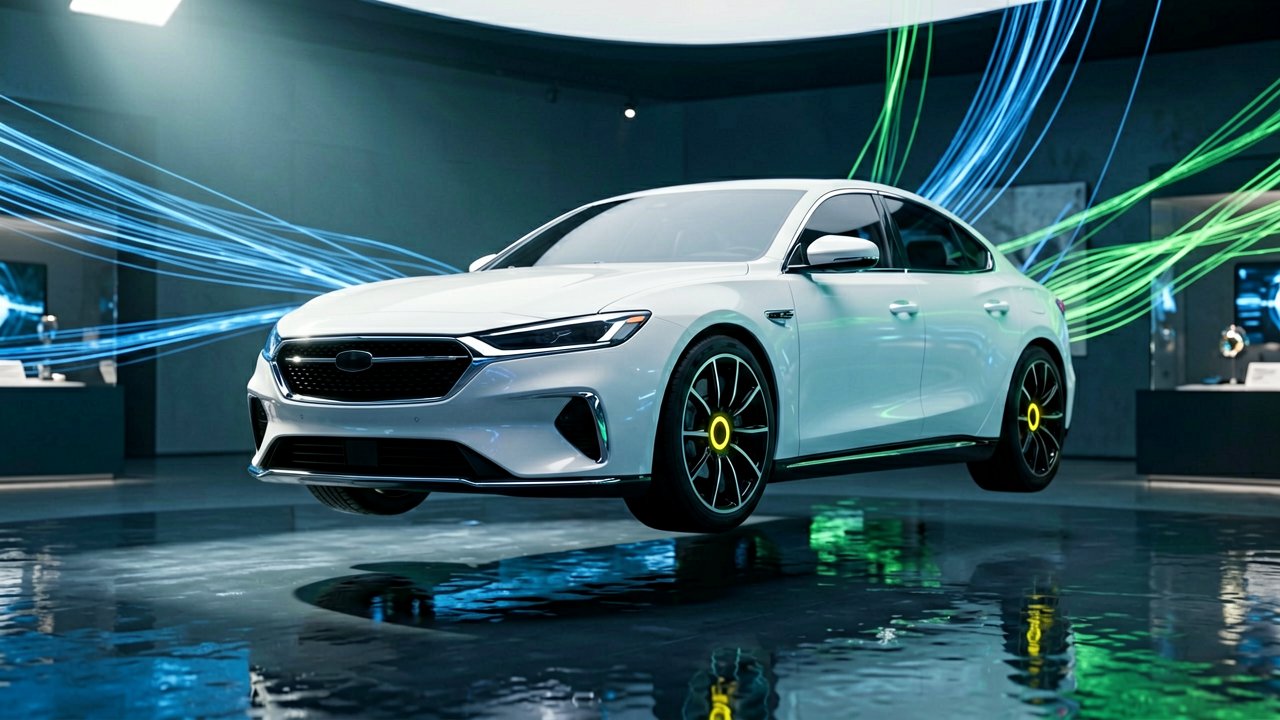
The travel industry is undergoing a quiet but significant transformation, according to Trend Hunter's latest analysis. The firm's Top 70 Travel Trends in May report, published May 2, 2026, catalogs innovations that move beyond simple booking convenience toward hyper-personalized, tech-enabled journeys.
At the core of this shift is the rise of agentic AI platforms. Companies like Voyagier and JustBookIt are deploying AI that doesn't just recommend destinations—it plans and books entire trips with minimal user input. This isn't a chatbot asking clarifying questions; it's an autonomous agent executing complex itineraries based on preference profiles. The friction of comparing dozens of flight options, hotel reviews, and activity calendars is collapsing into a single interface.
Video booking engines represent another tangible evolution. Aven integrated Hovr to bring dynamic video into hotel booking journeys. Instead of scrolling through static photos of a room, travelers watch short clips showing natural light at different times of day, the sound of the hallway, the texture of the bedding. It's a small change in the UI, but it fundamentally alters the decision-making process. You're no longer guessing what a space feels like—you're previewing it.
Airline cabin upgrades are also catching up to traveler expectations. United will introduce the Airbus A321XLR cabin this summer, featuring premium narrow-body configurations. Alaska Airlines launched International Business Class Suites. These aren't just reclining seats with more legroom; they're enclosed spaces with lie-flat surfaces, direct aisle access, and upgraded materials. The physical reality matters: the weight of the seat, the texture of the blanket, the angle of the tray table. These details accumulate into the overall experience.
Accommodation trends reflect similar attention to specificity. Avora's Continuum offers subscription-based yacht residences—ownership-free luxury yachting for those who want the lifestyle without the maintenance burden. Omni partnered with Peter Millar to launch branded luxury suites. Marriott introduced artist residency stays, turning hotels into temporary creative spaces. These aren't generic rooms; they're curated environments designed for particular types of travelers.
Immersive destination experiences are expanding beyond traditional theme parks. Disney is building a real-life Arendelle with World of Frozen. Warner Bros. is gamifying Superman storytelling with interactive gameplay elements. iQIYI is bringing streaming IP into immersive real-world theme park experiences. The line between digital content and physical travel is blurring, which creates new opportunities for engagement but also raises questions about authenticity.
Wellness-focused travel continues its upward trajectory. SHA unveiled 2026 health programs with personalized optimization experiences. Montevalle Resort & Spa debuted the Full Moon Women's Retreat. TheLifeCo St. Lucia introduced flexible wellness-focused stays. These aren't spa add-ons; they're structured programs with measurable outcomes, integrated into the travel experience itself.
Food tourism is getting more sophisticated. Air Canada offers curated food tourism packages and guides. Tourradar features cross-continental culinary and food tours. Intrepid offers diverse food tours for curious travelers. Champagne Drappier unveiled a new Urville cellar with sustainable underground experiences. The trend isn't just eating local food—it's understanding the production, the history, the people behind it.

Luggage and gear innovation remains central to the year's developments. Peak Design released the Roller Pro. Monos co-crafted the Brooklyn Coach Works Arles Blue Collection and launched the Carry-On Pro Plus. WaterField Designs upgraded its Air Porter carry-on based on customer feedback. TUMI unveiled the Mediterranean Escape Collection. These products address real pain points: wheel durability, weight distribution, compartment organization, material longevity.
Accessibility improvements are appearing in unexpected places. New Forest National Park boasts accessible visits. HotelGyms.com launched GYMR for Chrome and Edge browsers, helping travelers find gym-friendly accommodations. VR Rail Carriages on the St Vincent's Express take senior care residents to 10 countries virtually. These innovations expand who can participate in travel experiences, which is both a business opportunity and a moral imperative.
The report identifies 70 distinct trends, but several patterns emerge. First, AI is moving from recommendation to execution. Second, physical comfort is being redefined through material quality and spatial design. Third, experiences are becoming more narrative-driven, with storytelling integrated into destination design. Fourth, wellness is shifting from add-on to core offering. Fifth, sustainability is appearing in unexpected contexts—from underground cellars to ocean-aged bourbon.
Some trends feel genuinely useful. Jetbzaf finds cheap flights using low fare calendars and deals. bestin.city helps travelers discover top attractions and nearby gems. CoTrips uses AI to generate personalized travel itineraries quickly. These tools solve actual problems: price discovery, local knowledge, time allocation.
Other trends feel more like marketing exercises. Y2K Pop Star Accommodations—Airbnb opening the door to Hannah Montana's Malibu Beach House. Modern Travel Collaborations—American Express and STAUD launching a resortwear collection. Photogenic Destination Campaigns—Icelandair searching for a really bad photographer. These are attention-grabbing, but their long-term value is questionable.
The technology enabling these trends is maturing rapidly. AI travel planners can now handle complex multi-city itineraries. Video booking engines render real-time room conditions. Agentic platforms negotiate bookings across multiple vendors. The infrastructure is there, but adoption varies widely across the industry.
Travelers should approach these trends with skepticism. Not every innovation solves a real problem. Some are gimmicks designed to generate social media buzz. Others represent genuine improvements in convenience, comfort, or accessibility. The difference matters when you're spending thousands of dollars on a trip.
Brands need to distinguish between trend-chasing and trend-leading. Copying a competitor's AI feature without understanding the underlying technology creates friction, not convenience. Building experiences that align with actual traveler needs creates loyalty. The gap between these approaches is widening.
Whether these 70 trends translate into measurable improvements for travelers remains the real question. Some will fade quickly. Others will become standard expectations. The industry's ability to deliver on these promises will determine whether this represents genuine progress or just another cycle of innovation theater.
Artūras Malašauskas is an AI Systems Integrator with 20+ years of production-grade web engineering experience. He has designed, shipped, and scaled enterprise Python/PHP systems for logistics, SaaS, and public-sector clients. For the past year, he has focused exclusively on AI integrations: deploying open-source LLMs, building generative media pipelines (image, audio, video), and engineering multi-agent workflows for real production environments. His standard: reproducibility, security, cost-efficient inference—no vaporware. He documents and evaluates emerging AI tooling, separating verified capabilities from marketing noise. Technical editor at: muza-ai.eu, ai-verslas.lt, ai-naujinos.lt Connect on LinkedIn
Comments