Snapchat Launches AI Sponsored Snaps for Chat Ads
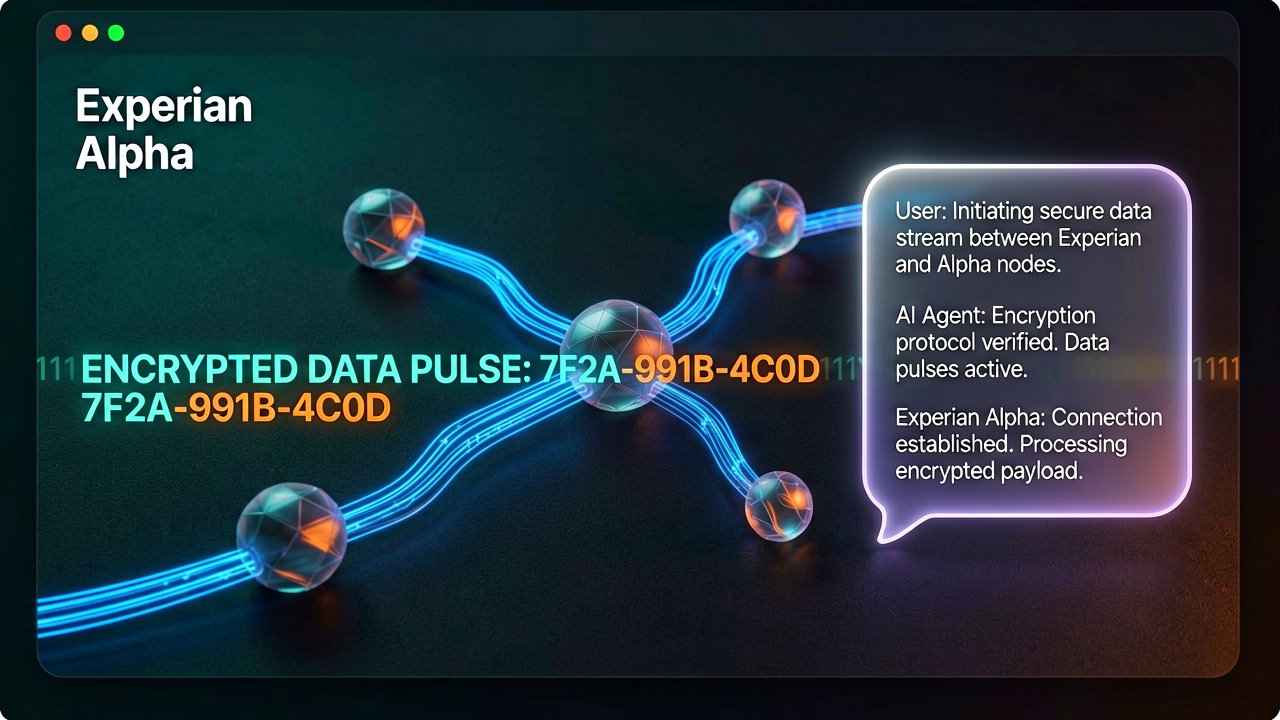
Advertising is moving into the chat feed. Snapchat announced AI Sponsored Snaps on April 28, 2026, a new format that lets users interact directly with brand AI agents inside the app's Chat tab. Instead of static placements, these ads function as conversational interfaces where people can ask questions, get recommendations, and explore products without leaving the conversation.
The official announcement from Snap Inc. frames this as a natural evolution of where attention already lives. The company's newsroom post states that Snapchatters sent over 950 billion chats in Q1 2026 alone, with over half a billion users having already messaged the platform's My AI chatbot since its 2023 launch. The data suggests the community isn't just tolerating AI in conversation—they're actively using it.
For brands, the mechanics are straightforward. Companies can deploy their own AI agents onto the platform to drive full-funnel outcomes, from discovery to purchase. The format builds on existing Sponsored Snaps performance, which already deliver 22 percent more conversions with nearly 20 percent lower cost per action compared to other ad inventories. That's a significant margin improvement (and one that marketing teams will definitely notice in their quarterly reviews).
The alpha launch partners with Experian, a data and technology leader. The financial services company plans to use the format to provide credit insights and financial education directly within conversations. This turns what would traditionally be a static ad into a utility—something users can actually use rather than just scroll past.

From a user experience perspective, the interaction happens where people already spend time. Eighty-five percent of users engage regularly in the Chat feed, and 57 percent of teen Snapchat users message others daily. The physical reality of this means less friction: no app switching, no new tabs, no waiting for pages to load. Just tap, type, get an answer.
Ajit Mohan, Chief Business Officer at Snap, called conversation "the most valuable real estate in advertising." He noted that AI is accelerating the shift, turning chat into where people discover products and make decisions in real time. The opportunity isn't just inserting ads into those environments—it's designing formats that feel native to how people already talk.
Independent reporting from TechCrunch corroborates the launch details and highlights the scale. With nearly one billion monthly active users, the potential reach is substantial. However, the coverage also notes that not everyone will welcome AI in yet another part of their social experience.
Marketers face new requirements with this format. Creative becomes conversational design. You're no longer writing headlines—you're designing dialogue flows. The quality of responses, tone, and relevance directly impact engagement. AI agents become brand touchpoints, raising the bar for accuracy, compliance, and brand voice consistency. Brand safety and trust become more complex when introducing AI into ads, with questions around data usage and misinformation.
Engagement replaces impressions as the key metric. Clicks and views matter less when users are actively interacting. Expect new KPIs such as conversation depth, intent signals, and assisted conversions. Personalization moves from pre-defined audience segments to dynamic interaction based on user inputs. Early adopters could benefit from lower costs and higher engagement before saturation kicks in.
This isn't experimental anymore. Conversational advertising is quickly becoming part of the core digital playbook. The question isn't whether the technology works—it's whether users will tolerate brands in their personal chat spaces without feeling like they're being sold to. Whether advertisers can make these interactions genuinely useful rather than just another interruption remains the real test.
Artūras Malašauskas is an AI Systems Integrator with 20+ years of production-grade web engineering experience. He has designed, shipped, and scaled enterprise Python/PHP systems for logistics, SaaS, and public-sector clients. For the past year, he has focused exclusively on AI integrations: deploying open-source LLMs, building generative media pipelines (image, audio, video), and engineering multi-agent workflows for real production environments. His standard: reproducibility, security, cost-efficient inference—no vaporware. He documents and evaluates emerging AI tooling, separating verified capabilities from marketing noise. Technical editor at: muza-ai.eu, ai-verslas.lt, ai-naujinos.lt Connect on LinkedIn
Comments