Experian Launches Agent Trust for AI Commerce
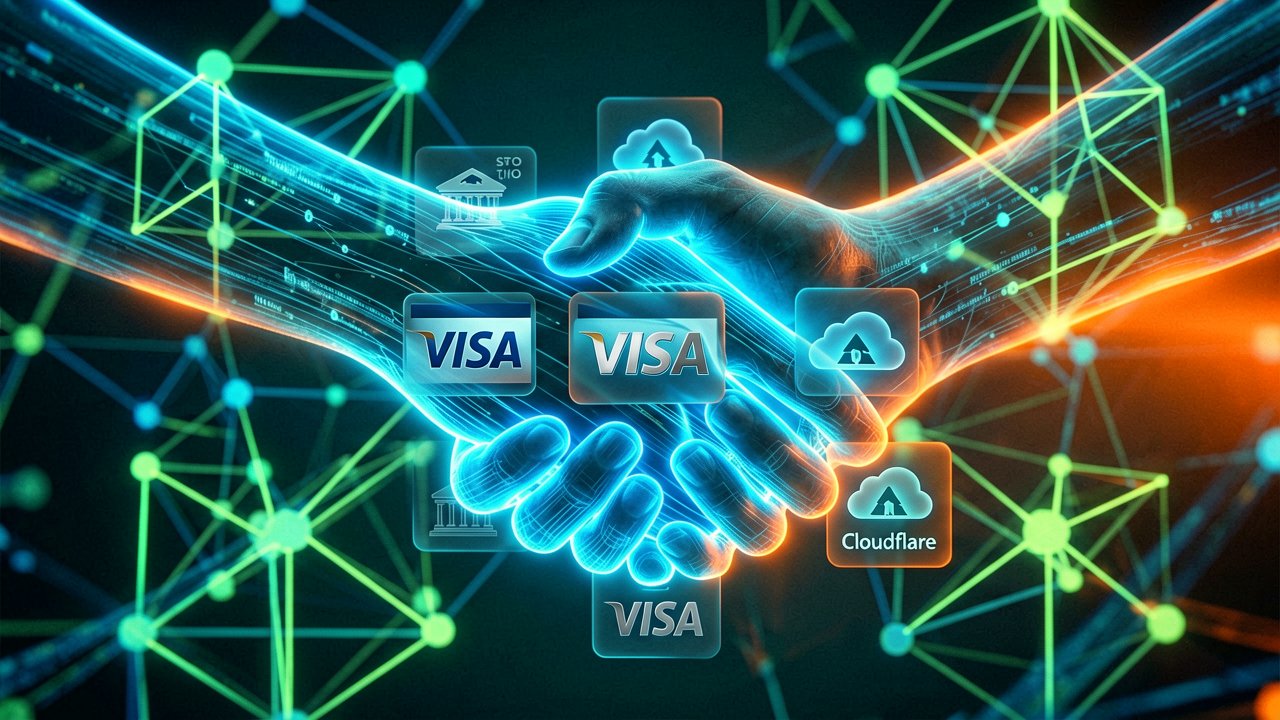
Soon, you won't be the one making the purchase. Your AI will. That's the premise driving Experian's April 30, 2026 announcement of Experian Agent Trust™, a new framework designed to verify identity and accountability in AI-driven commerce. The company is attempting to solve a fundamental problem: when an autonomous agent initiates a transaction, how does a merchant know it can trust the action?
The core innovation is Human-to-Agent Binding. This creates a secure, persistent link between a verified consumer, their device, and the AI agent acting on their behalf. Each agentic transaction can be traced back to the human who initiated it. Without this connection, autonomous commerce introduces risks of fraud, misrepresentation, and unauthorized transactions that traditional verification systems cannot address.
According to the official Experian blog post, the framework extends the company's existing identity verification and fraud detection solutions into the age of AI agents. Experian claims its current solutions help clients avoid an estimated $15 to $19 billion in fraud losses annually. Agent Trust is positioned as a natural extension of that work.
The system issues an Agent Trust Token that provides real-time signals of identity, consent, and fraud risk. An Agent Registry continuously evaluates agent behavior over time, maintaining dynamic trust scoring. Think of it like a digital fingerprint that follows the agent through every interaction (a problem that has plagued users for years, frankly).
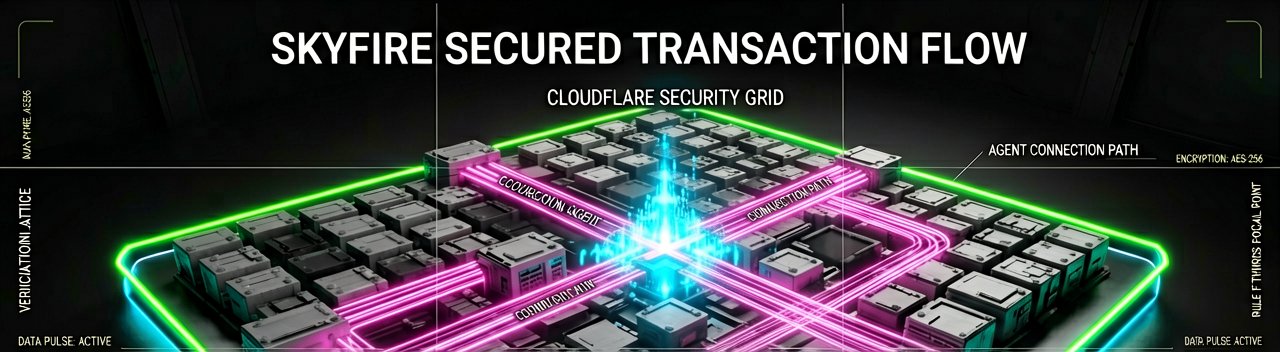
Experian is not building this in isolation. The framework was developed within an ecosystem of collaborators including Visa, Cloudflare, and Skyfire. Each partner contributes a different layer to the trust stack. Visa provides the Trusted Agent Protocol for merchant-side verification. Cloudflare enforces the trust layer at the network edge, where it already protects approximately 20% of the world's internet traffic. Skyfire offers standardized protocols for exchanging agent-related information across platforms.
Consider the physical reality of how this might work. A consumer asks their AI agent to find noise-cancelling headphones for an upcoming trip. The agent evaluates options based on stored preferences, selects a recommendation like Bose headphones, and prepares the transaction for approval. Once the consumer authorizes the purchase through their device, Human-to-Agent Binding confirms the agent is acting on behalf of a verified individual. The experience remains simple for the user. The business gains confidence that the transaction originates from a verified consumer.
Kathleen Peters, Chief Innovation Officer at Experian, stated that agentic commerce will not scale without trust. The company is attempting to verify the agent, the human behind it, and their intent to purchase. This represents a shift from traditional identity verification, which focused on confirming who a person is at a single point in time. Now the system must track how an agent behaves over time.
Independent reporting from Business Wire corroborates the announcement details and partnership structure. The press release confirms the framework is platform-agnostic and designed to integrate with existing payment systems without disruption.

Other executives weighed in on the ecosystem approach. Rubail Birwadker, SVP at Visa, noted that Visa has spent decades earning trust across global commerce, which matters even more as AI becomes part of transactions. Stephanie Cohen, Chief Strategy Officer at Cloudflare, emphasized that the rise of AI agents represents one of the most significant shifts in digital commerce history. Amir Sarhangi, CEO and co-founder of Skyfire, highlighted the need for merchants to understand who they are transacting with.
The technical architecture requires coordination across multiple layers. Identity verification happens at the Experian layer. Payment security flows through Visa's network tokenization. Network-level protection comes from Cloudflare's infrastructure. Agent interoperability relies on Skyfire's protocols. Each component must function correctly for the system to work. If one layer fails, the entire trust chain breaks.
This is not just an evolution of digital commerce. It is a new system requiring a new foundation. The organizations that succeed will be those that can establish trust across every interaction, including those initiated by AI. Experian Agent Trust represents a foundational step in defining that trust layer.
Whether merchants actually adopt this framework remains the real question. The technology addresses a genuine problem, but adoption depends on whether businesses see enough value to integrate new verification systems into their checkout flows. The convenience of autonomous shopping must outweigh the friction of additional verification steps. Time will tell if the market agrees.
Artūras Malašauskas is an AI Systems Integrator with 20+ years of production-grade web engineering experience. He has designed, shipped, and scaled enterprise Python/PHP systems for logistics, SaaS, and public-sector clients. For the past year, he has focused exclusively on AI integrations: deploying open-source LLMs, building generative media pipelines (image, audio, video), and engineering multi-agent workflows for real production environments. His standard: reproducibility, security, cost-efficient inference—no vaporware. He documents and evaluates emerging AI tooling, separating verified capabilities from marketing noise. Technical editor at: muza-ai.eu, ai-verslas.lt, ai-naujinos.lt Connect on LinkedIn
Comments