Apple Prepares AI Photo Editing Tools For iOS 27
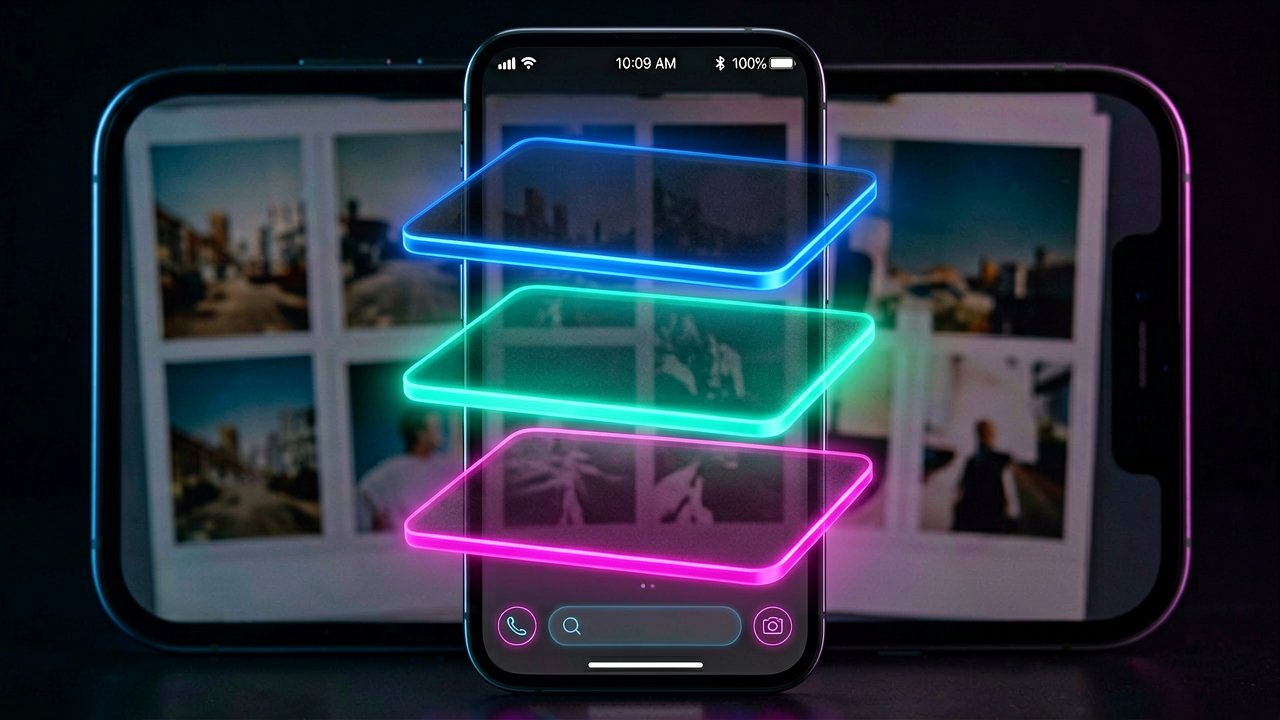
Apple is preparing a significant overhaul of its native photo editing capabilities for iOS 27, iPadOS 27, and macOS 27, with three new AI-powered tools expected to launch this fall. The initiative represents one of the most substantial updates to the Photos app in years, positioning Apple to better compete with Android rivals who have already deployed similar generative editing features.
According to Bloomberg's Mark Gurman, the new suite includes Extend, Enhance, and Reframe. These tools will reportedly appear in a dedicated "Apple Intelligence Tools" section within the Edit window, replacing the current Adjust, Filters, Crop, and Clean Up layout.
Extend uses generative AI to create content beyond an image's original borders. Users can drag the photo's edges with their fingers to control how much artificial content gets added. Imagine taking a close-up shot of a landmark and expanding the frame to fill in surrounding scenery that wasn't captured in the original shot.
Enhance handles automatic improvements to color, lighting, and overall image quality. This is straightforward enough—tap a button and the AI adjusts the photo. Reframe enables perspective shifts for spatial photos, allowing users to change the point of focus. A photo showing a car's front could be edited to display its side instead.
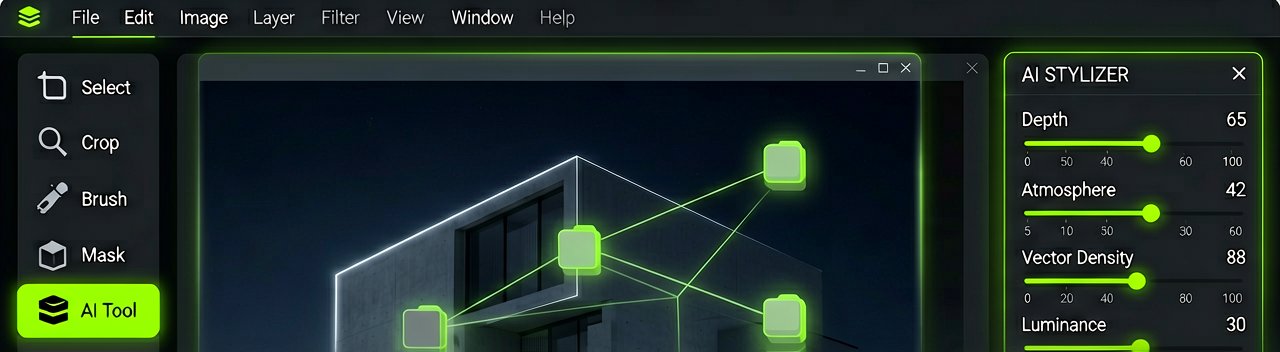
Development hasn't gone entirely smoothly. Internal testing has revealed that Extend and Reframe don't perform reliably enough for the initial release. Apple may delay or scale back these features depending on improvements to the underlying models (a problem that has plagued users for years, frankly).
9to5Mac corroborates the timeline and feature set, noting that iOS 27 will be unveiled at WWDC on June 8, with public release expected in September. The update coincides with the launch of a new foldable iPhone.
All three tools will run on-device using Apple's Apple Intelligence platform. This matters for privacy-conscious users who don't want their photos processed in the cloud. The physical experience involves touching and dragging edges on a screen, waiting a few seconds for the AI to generate results, then reviewing whether the output looks natural or obviously synthetic.
Industry context matters here. Samsung launched its Photo Assist suite with the Galaxy S26 in February, featuring various AI editing capabilities. Google Photos has similarly enhanced its functionality with generative background changes. Apple's response comes two years after promising major Siri upgrades, putting additional pressure on the company to deliver.

In preparation for these AI advancements, Apple released the Pico-Banana-400K dataset in October 2025, comprising 400,000 curated images to enhance its photo editing models. The company also acquired the Pixelmator app in 2024 to strengthen its photo editing capabilities.
iOS 27 will feature a revamped Siri chatbot codenamed Campos and new Visual Intelligence tools alongside the photo editing overhaul. Performance and stability improvements remain priorities, as Apple faces scrutiny over delivering on previous AI promises.
The question isn't whether Apple can build these tools. The question is whether they'll work well enough to justify the wait. Whether users actually pay attention to these features remains the real question.
Artūras Malašauskas is an AI Systems Integrator with 20+ years of production-grade web engineering experience. He has designed, shipped, and scaled enterprise Python/PHP systems for logistics, SaaS, and public-sector clients. For the past year, he has focused exclusively on AI integrations: deploying open-source LLMs, building generative media pipelines (image, audio, video), and engineering multi-agent workflows for real production environments. His standard: reproducibility, security, cost-efficient inference—no vaporware. He documents and evaluates emerging AI tooling, separating verified capabilities from marketing noise. Technical editor at: muza-ai.eu, ai-verslas.lt, ai-naujinos.lt Connect on LinkedIn
Comments