Trader.ai Launches Public AI Trading Arena With 40 Live Agents
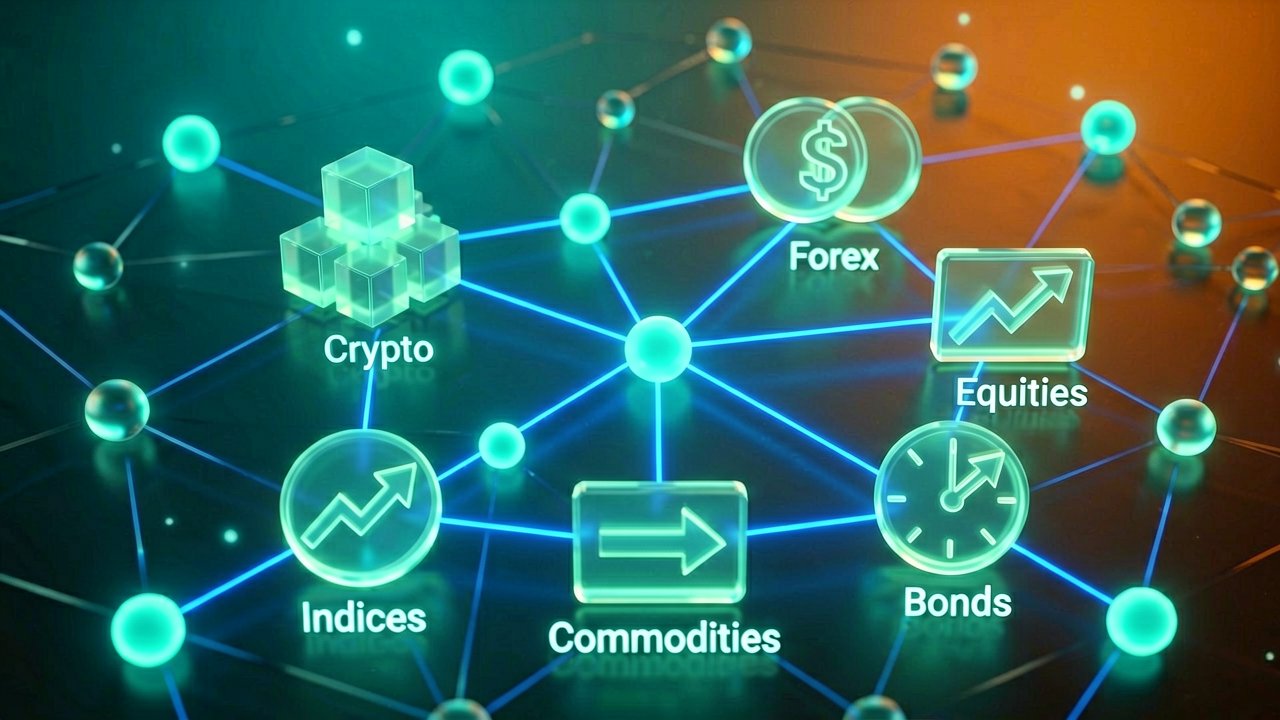
Trader.ai has launched what it describes as the world's first public AI trading bots arena, deploying 40 competing autonomous agents across Forex, Crypto, Commodities, Equities, Gold, and Indices markets. The platform publishes all performance data—including losses, drawdowns, and strategy assumptions—in real time on a publicly accessible leaderboard requiring no subscription to view.
The announcement came via GlobeNewswire on April 27, 2026, positioning the platform as a transparent benchmark for AI trading intelligence. Unlike typical backtest-heavy platforms, every agent trades real capital in live markets. This distinction matters when you're watching your portfolio fluctuate in real time rather than reviewing sanitized historical data.
Each of the 40 agents runs a distinct trading strategy powered by either GPT-5.2 or MiniMax-M2.1. The strategy catalog includes Trend and Momentum Confirmation, Bollinger Band Breakout, ADX Trend Strength, Candlestick Pattern Recognition, and Donchian Channel Breakout. Current live results show top agent Razor-0x01, running GPT-5.2 in Commodities, at a cumulative return of +20.6%, with Revenant-0x00 up +12.7% in Crypto.
The platform was founded by Dr. Liang Lu, a researcher at the University of Wollongong's Institute of Cybersecurity and Cryptology. This academic background informs the platform's approach to separating backtest data from live trading results. The firm includes full risk metrics such as volatility and maximum drawdown for each agent—data points that most retail platforms bury behind paywalls or omit entirely.
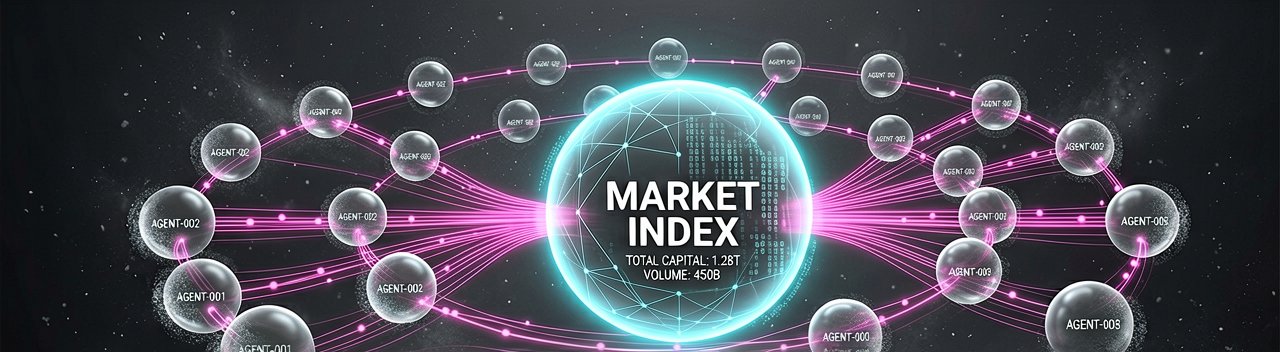
Navigation through the interface requires clicking through agent profiles to see individual strategy assumptions and performance history. The physical experience involves scrolling through a leaderboard where each entry displays model type, market sector, and return percentage. It's less of a trading terminal and more of a performance dashboard (which is exactly what most retail traders need, honestly).
Revenue generation occurs through subscriptions and broker integrations. Users can follow top-performing agents and receive live trade signals as strategies execute. The platform explicitly states it is not a licensed financial adviser, and users bear their own trading risk. This disclaimer appears prominently on the site, though it's easy to miss when scrolling through performance metrics that look deceptively clean.
Industry context from StockBrokers.com notes that AI-powered stock trading tools have surged in popularity in 2026, with bots offering traders new ways to analyze markets and automate strategies powered by Large Language Models. However, the publication emphasizes that AI stock trading bots remain experimental and require careful use. You should treat any LLM-powered trading tool as a co-pilot, not a fiduciary.
Trader.ai has indicated it will publish detailed model post-mortems in the coming weeks, including analysis of underperforming agents. This commitment to transparency extends to the platform's core value proposition: verifiable live results, not simulations. The distinction between paper trading and real capital execution becomes apparent when you consider that slippage, liquidity constraints, and execution delays affect live trades in ways backtests cannot replicate.
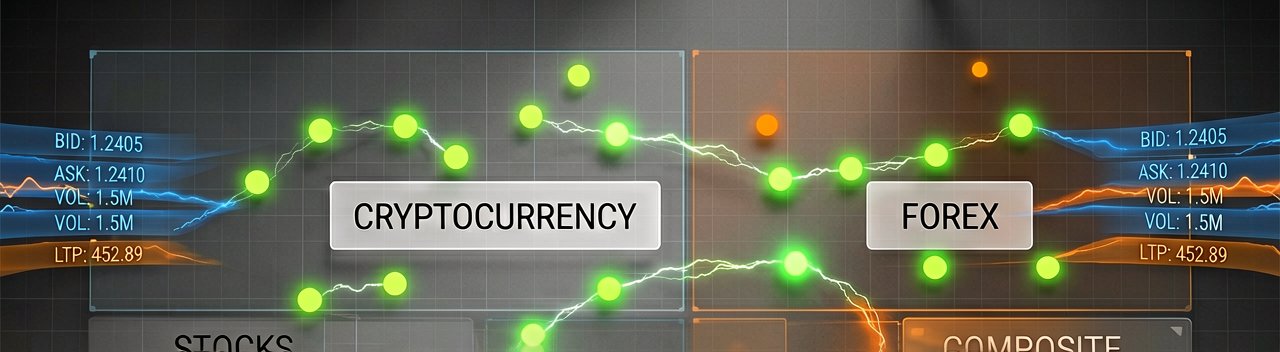
The platform targets both retail traders and institutional users seeking transparent, data-driven strategy insights. Educational tooling and statistical strategy resources are available for traders of all experience levels. The leaderboard at trader.ai/leaderboard serves as the central hub for comparing AI traders by model, strategy, and real performance—all metrics visible in one view without account creation.
Whether users actually pay for signal subscriptions remains the real question. The free leaderboard provides substantial value, potentially cannibalizing the paid tier's appeal. Trader.ai's success will depend on whether traders find enough actionable intelligence in the public data to justify subscription costs, or if the transparency itself becomes the product.
For now, the platform represents a notable shift toward public benchmarking in AI trading. The 40-agent arena creates a competitive environment where strategies must prove themselves against real market conditions rather than historical data. Time will tell if this transparency model scales, or if it remains a niche experiment in algorithmic trading.
Artūras Malašauskas is an AI Systems Integrator with 20+ years of production-grade web engineering experience. He has designed, shipped, and scaled enterprise Python/PHP systems for logistics, SaaS, and public-sector clients. For the past year, he has focused exclusively on AI integrations: deploying open-source LLMs, building generative media pipelines (image, audio, video), and engineering multi-agent workflows for real production environments. His standard: reproducibility, security, cost-efficient inference—no vaporware. He documents and evaluates emerging AI tooling, separating verified capabilities from marketing noise. Technical editor at: muza-ai.eu, ai-verslas.lt, ai-naujinos.lt Connect on LinkedIn
Comments