Oppo Find X9 Ultra Debuts; iOS 26.5 Beta Adds Maps Ads
Two major tech announcements landed this week, each targeting different segments of the mobile ecosystem. Chinese manufacturer Oppo unveiled its Find X9 Ultra, a device explicitly marketed as a professional camera that happens to make phone calls. Simultaneously, Apple pushed the third beta of iOS 26.5 to public testers, quietly preparing the operating system for monetization changes that will affect millions of daily users.
The Find X9 Ultra represents a significant pivot for Oppo into the ultra-premium market. The device carries a retail price of £1,449 (approximately $1,960) and launches globally on May 8, though it will not be available in the United States. The phone's entire identity revolves around its "New-Generation Hasselblad Master Camera System," a collaboration that has now spanned five years of intensive R&D.
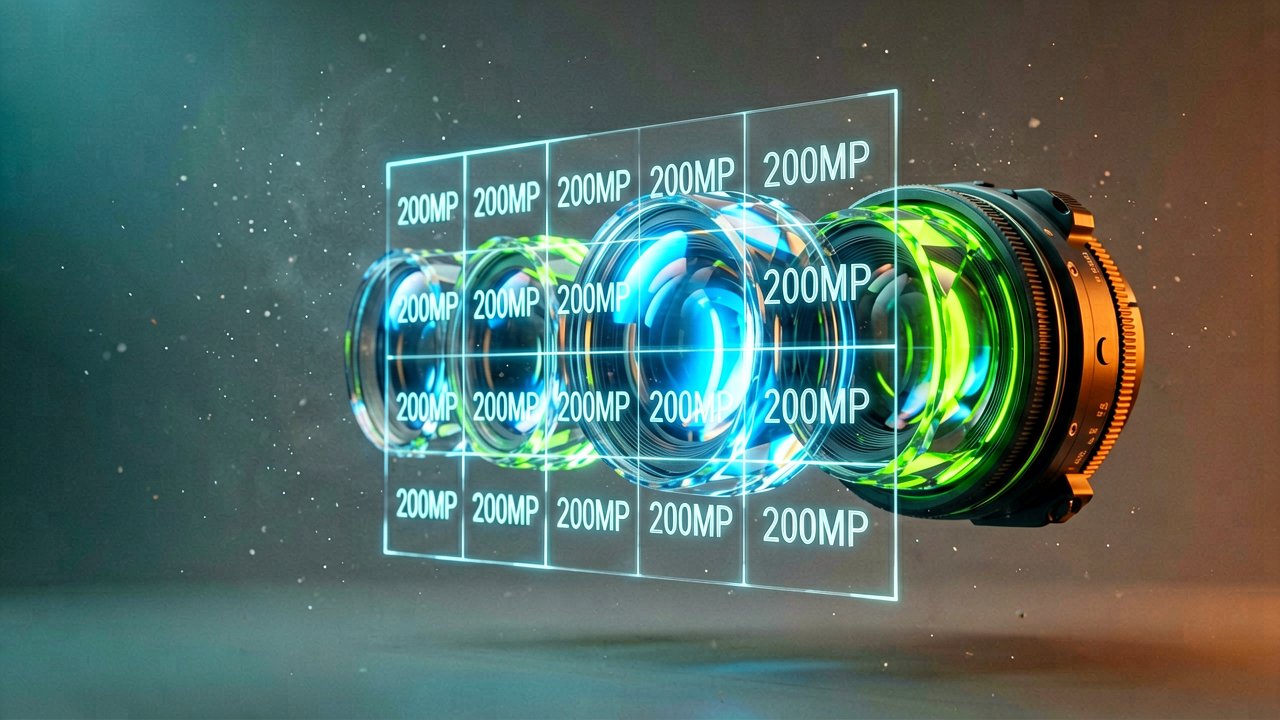
According to the official press release from Oppo, the flagship introduces the world's first 50MP 10x optical telephoto lens. This is achieved through a Quintuple Prism Reflection Periscope Structure that folds the light path five times, reducing the module length by 30% while maintaining true optical zoom. The system also includes dual 200MP sensors, a 50MP ultra-wide camera, and a multispectral True Color Camera for white balance calibration.
Physical interaction with the device matters here. The rear features a split-panel design available in Tundra Umber with vegan leather or Canyon Orange with aerospace-grade fiber. For those who want the phone to feel more like a camera, Oppo offers an optional Explorer Case with a two-stage camera button and physical zoom dial. The 6.82-inch OLED display reaches 3,600 nits peak brightness but can drop to 1 nit in low-light environments, which is genuinely useful for late-night scrolling without waking your roommate.

Performance specs include a Qualcomm Snapdragon 8 Elite Gen 5 processor and a 7,050 mAh silicon-carbon battery supporting 100W wired and 50W wireless charging. Pete Lau, SVP and Chief Product Officer at Oppo, stated the device "fundamentally redefines the category" by uniting cutting-edge optics with computational photography. Whether it actually does that remains to be seen by reviewers once units ship.
On the software side, Apple's iOS 26.5 beta introduces changes that will reshape how users interact with core apps. The update is relatively minor in terms of visible features, but it lays groundwork for two significant shifts: end-to-end encryption for RCS messaging and advertising in Apple Maps. The third beta was released to public testers on April 21, following developer betas the day before.
End-to-end encryption for RCS ensures messages between iOS and Android devices cannot be intercepted during delivery. Apple tested this feature in iOS 26.4 but removed it before the final release last month. The feature returns in iOS 26.5 with a beta label, though no such caution has been shared this time around. Conversations labeled as encrypted will be protected end-to-end, but availability depends on device and carrier support.
More controversially, Apple is preparing to launch ads in the Maps app. According to MacRumors, businesses in the U.S. and Canada will be able to place local ads in search results and at the top of a new "Suggested Places" section. These ads will carry an "Ad" label, and Apple promises that location data and ad interactions won't be associated with a user's Apple Account. Still, the idea of sponsored locations appearing in navigation results feels like a natural evolution of the platform's monetization strategy.

The Suggested Places feature itself recommends two locations every time users tap into the search field, based on trending nearby spots and previous searches. It's a useful discovery aid that doesn't clutter the interface, though one of those slots will eventually feature promoted content. Apple says the feature launches "this summer" alongside the ad integration.
iOS 26.5 also extends iPhone features like notifications, Live Activities, and AirPods-like pairing to third-party smartwatches and headphones in the EU, as required under the Digital Markets Act. The App Store gains a new subscription option: a "monthly with 12-month commitment" plan that splits annual payments into twelve monthly charges. This hybrid model could entice users who want annual discounts without the upfront cost.
Developer documentation from Apple confirms StoreKit updates for the new billing configuration, along with fixes for Unity and Kaleidoscope wallpaper installation issues. The beta also includes a new Pride Luminance wallpaper and watch face for both iOS 26.5 and watchOS 26.5.
Both announcements reflect broader industry trends. Oppo is betting that camera enthusiasts will pay premium prices for hardware that prioritizes optical quality over computational processing. Apple is quietly monetizing its most-used apps while maintaining privacy promises that may or may not hold up under scrutiny. The Find X9 Ultra won't reach American consumers, and iOS 26.5's Maps ads will likely face pushback from users who prefer ad-free navigation.
Whether these strategies succeed depends on execution. Oppo needs to prove its 10x telephoto delivers real-world value beyond marketing specs. Apple needs to balance ad revenue with user trust. Time will tell if either company gets the equation right, but the bills will be due regardless of the outcome.
Artūras Malašauskas is an AI Systems Integrator with 20+ years of production-grade web engineering experience. He has designed, shipped, and scaled enterprise Python/PHP systems for logistics, SaaS, and public-sector clients. For the past year, he has focused exclusively on AI integrations: deploying open-source LLMs, building generative media pipelines (image, audio, video), and engineering multi-agent workflows for real production environments. His standard: reproducibility, security, cost-efficient inference—no vaporware. He documents and evaluates emerging AI tooling, separating verified capabilities from marketing noise. Technical editor at: muza-ai.eu, ai-verslas.lt, ai-naujinos.lt Connect on LinkedIn
Comments