Amazon Unveils Alexa+-Built Echo Dot Max and Studio
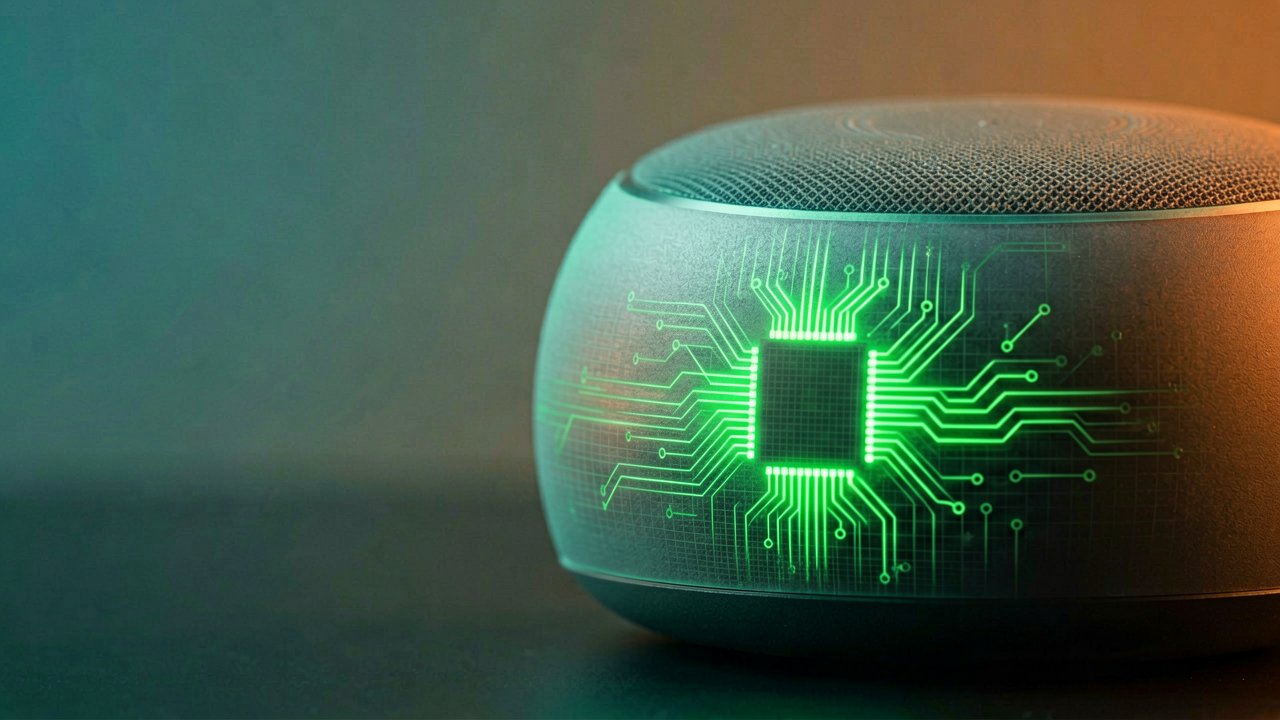
Amazon has launched four new Echo devices purpose-built for its next-generation AI assistant, Alexa+, with the all-new Echo Dot Max and Echo Studio now available for purchase. The announcement, detailed in an official company blog post, marks a significant shift in how consumers interact with smart home ecosystems, integrating advanced hardware and ambient AI capabilities directly into the devices.
The Echo Dot Max and Echo Studio are the first devices to feature Amazon's custom-designed AZ3 and AZ3 Pro silicon chips, respectively. The AZ3 chip powers the Dot Max's enhanced microphone array, improving wake-word detection by over 50% and enabling more natural, free-flowing conversations. The AZ3 Pro in the Echo Studio supports advanced language models and vision transformers, allowing for richer interactions with Alexa+ through features like proactive home management and personalized routines.
Central to these devices is Omnisense, Amazon's sensor fusion platform that combines data from multiple sources including audio, Wi-Fi radar, and accelerometers. This enables Alexa+ to deliver "ambient AI experiences that fade into the background of daily life," such as automatically starting morning routines when recognizing a user's presence or alerting homeowners about unlocked doors after 10 p.m. The Echo Dot Max, priced at $99.99, features a redesigned two-way speaker system with double the air space for deeper bass, while the Echo Studio is 40% smaller than its predecessor yet delivers premium sound quality.
Unlike previous Echo models, all new devices include Alexa+ access out of the box, eliminating the need for separate subscriptions. Prime members receive full access to Alexa+ features, including personalized entertainment recommendations and home management, without additional costs. Amazon emphasized that customers with Early Access to Alexa+ have already doubled their interaction frequency with the assistant, engaging in deeper conversations and completing more tasks like smart home control and calendar management.
These devices represent Amazon's most advanced Echo lineup to date, prioritizing edge-based computing and on-device processing to reduce latency and enhance privacy. The company's focus on custom silicon and sensor fusion signals a strategic pivot toward embedding AI capabilities directly into hardware, rather than relying solely on cloud-based processing. This approach aligns with broader industry trends toward decentralized AI, though Amazon's implementation remains proprietary and tightly integrated with its ecosystem.
Artūras Malašauskas is an AI Systems Integrator with 20+ years of production-grade web engineering experience. He has designed, shipped, and scaled enterprise Python/PHP systems for logistics, SaaS, and public-sector clients. For the past year, he has focused exclusively on AI integrations: deploying open-source LLMs, building generative media pipelines (image, audio, video), and engineering multi-agent workflows for real production environments. His standard: reproducibility, security, cost-efficient inference—no vaporware. He documents and evaluates emerging AI tooling, separating verified capabilities from marketing noise. Technical editor at: muza-ai.eu, ai-verslas.lt, ai-naujinos.lt Connect on LinkedIn
Comments