Beyond the Binary: How Mohini is Reclaiming the Soul of Synthetic Music
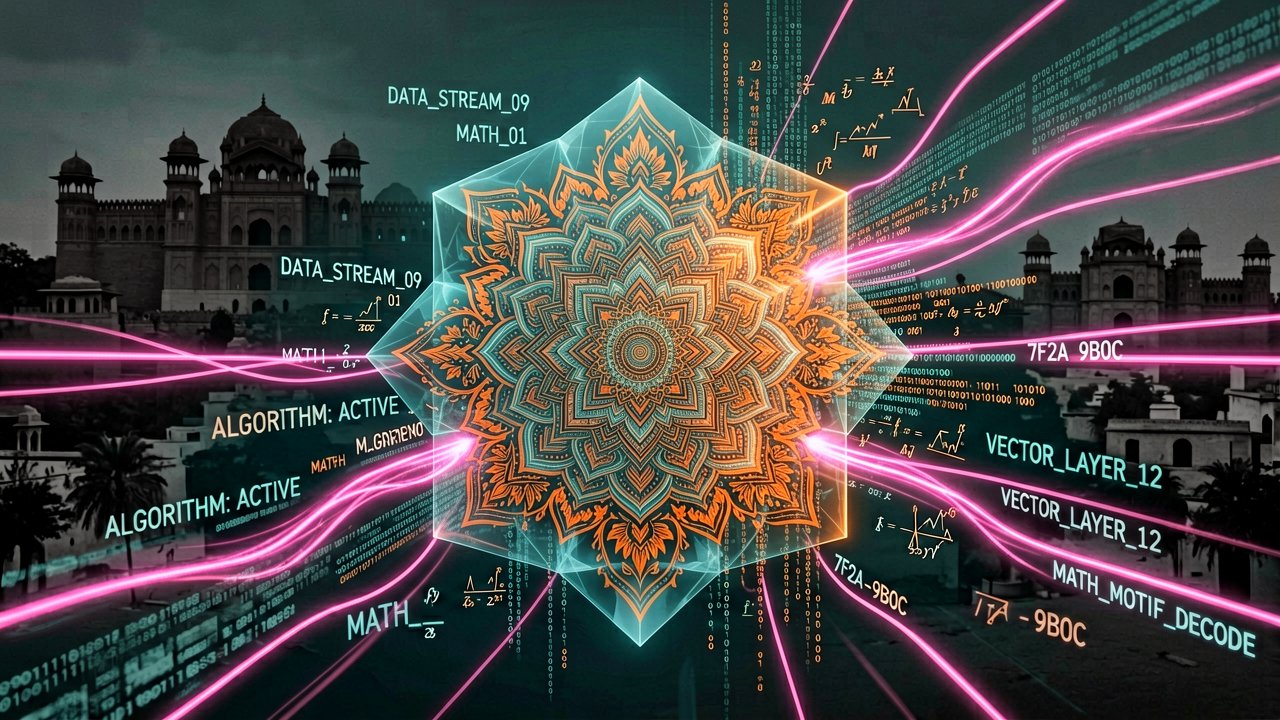
For years, tech skeptics have confidently declared that artificial intelligence would eventually stumble when faced with the delicate intricacies of deep-rooted cultural heritage. It's easy to see why. Code can mimic form, but it usually lacks the heartbeat, the generational weight, and the subtle, unspoken syntax that makes regional art forms resonate. However, a bold new release is actively turning that assumption on its head. The algorithmic audio-visual landscape has taken a dramatic leap forward with the debut of Variety's covered microdrama, Mohini – Khud Se Pyaar. Produced by India's Equinox Virtual, this project challenges everything we think we know about synthetic entertainment by leaning directly into the complex emotional landscape of South Asian storytelling.
The project's debut track, "Angaat Aalay Ka," doesn't play it safe. Rooted deeply in the folk traditions of Maharashtra, the piece acts as a vital narrative bridge for the title character, a gifted Kathak dancer working through grief, memory, and an ultimate return to the stage. What makes the track standout isn't just that it was built using machine learning tools like the AI generation platform Suno, but how seamlessly those tools capture a distinctly hyper-local warmth. Co-creator Amita Madhvani chose to treat the technology as a new kind of instrument rather than a shortcut, aiming to prove that a generative workflow can still evoke raw human feeling when guided by intentional artistic vision.
Folk Traditions Meet Algorithmic Precision
It's a fascinating paradox. We often expect AI music to sound clinical, futuristic, or entirely detached from geographical reality. Instead, "Angaat Aalay Ka" relies on a layered, multilingual structure that mirrors the chaotic beauty of live performance. By shifting the heavy lifting of multi-layered production to digital platforms, the creators managed to protect the core story's vulnerability. It's a template that could redefine how independent creators approach cultural preservation globally.
The Rise of the Generative Storyteller
This release proves that the future of synthetic media isn't just about automated efficiency; it's about expanding who gets to tell deeply emotional stories on a global budget. When technology is paired with rigorous cultural fluency, the results feel less like cold math and far more like genuine art. Mohini suggests that artificial intelligence doesn't have to erase our musical traditions. In the right hands, it might actually help keep them alive.
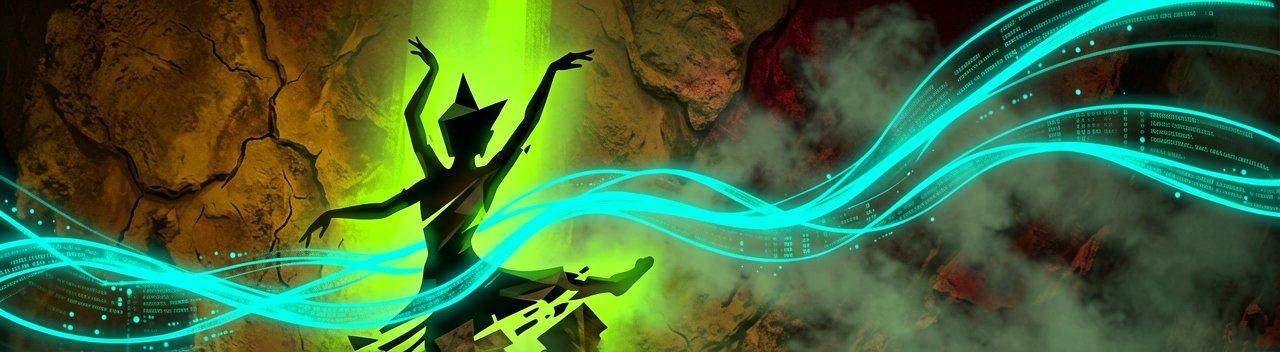
The true measure of artistic technology lies not in its ability to replicate sound perfectly, but in its capacity to translate human grief. By focusing the narrative arc of Mohini – Khud Se Pyaar on a gifted Kathak dancer retreating to the background rows of Mumbai after losing her father, Equinox Virtual anchors this computational project in raw, deeply relatable vulnerability. This intentional focus on personal tragedy ensures that the algorithmic architecture serves the emotional weight of the story, transforming what could have been a cold technical showcase into a touching exploration of memory, loss, and artistic rebirth. It suggests that the digital space can hold a mirror to our most intimate human experiences if guided by thoughtful hands.
This deliberate intersection of classical performance and digital synthesis represents a massive shift in how we define independent creative ecosystems. Instead of allowing automated algorithms to dictate the pacing or dilute the texture of the music, the project uses tools like Suno to compress production timelines and give indie storytellers outsized resources. According to a report by , co-creator Amita Madhvani emphasizes that this framework is designed to create new collaborative opportunities rather than replacing the human workforce, effectively building a more resilient, technology-forward creative hub. By handling the complex mechanics of multi-layered production through machine learning, the creative team frees up valuable headspace to focus purely on the nuances of performance and story.
Stepping Beyond the Screen
The long-term vision for this virtual IP stretches far beyond short-form digital consumption on platforms like Instagram. Co-founders Ram Madhvani and Amita Madhvani have already outlined ambitious plans to transition the synthetic narrative world of Mohini directly into the physical realm via live musical experiences. This planned evolution sets up an incredibly compelling feedback loop, where characters born from complex algorithmic code eventually find expression through real dancers, live instrumentation, and physical stagecraft. It completely reframes generative media as a launchpad for tangible, real-world art, bridging the gap between digital innovation and physical theater.
Ultimately, "Angaat Aalay Ka" functions as a striking proof of concept for the next era of global entertainment. By demonstrating that machine learning can respect, adapt to, and successfully elevate localized folk traditions, the track sets a brand-new benchmark for synthetic creativity. Technology is no longer just a passive archiving tool for our ancestral heritages; it has officially become an active participant in their survival, growth, and continuous evolution.
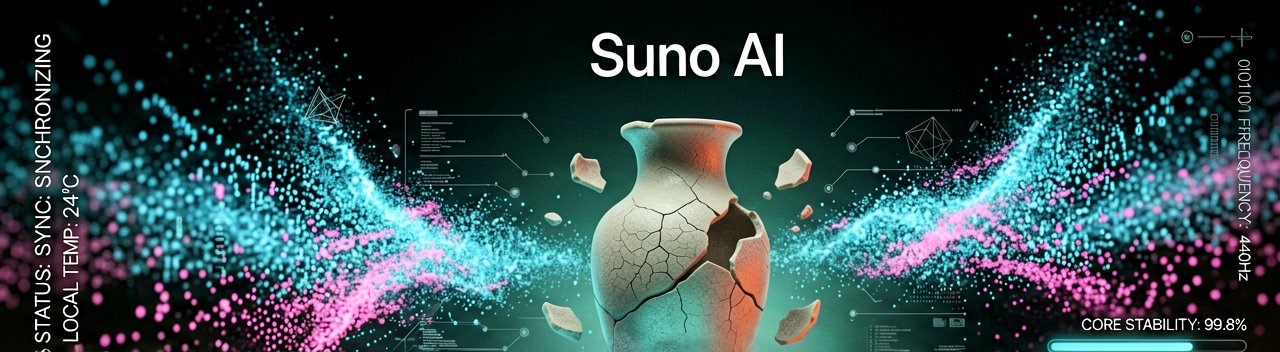
The ultimate victory of this digital experiment is that the algorithm eventually fades into the background, leaving only the art standing. When the novelty of synthetic generation wears off, a piece of music must survive on its own sonic and emotional merits. "Angaat Aalay Ka" accomplishes precisely this by refusing to lean on the "AI-generated" label as a marketing gimmick or a shield against critical critique. Instead, the track demands to be judged alongside contemporary South Asian compositions, proving that machine-molded melodies can carry the precise weight of classical rigor when steered by creators who actually understand the cultural landscape they are navigating.
This milestone forces a massive re-evaluation of the long-standing debate surrounding technology and artistic erasure. For years, the prevailing narrative suggested that globalized automation would flatten cultural specificities into a homogenous, Westernized digital soup. Mohini flips that script entirely, demonstrating that generative tools can act as hyper-local preservation mechanisms. By capturing the distinct, polyrhythmic energy of Maharashtrian folk and the precise emotional cadence of a Kathak dancer's journey, this project shows that code can be trained to respect regional textures rather than dilute them.
A Blueprint for Independent Creators
What Equinox Virtual has built is a highly scalable blueprint for independent storytellers operating outside the traditional, deep-pocketed studio systems. By utilizing machine learning platforms as collaborative multipliers rather than autonomous replacements, small creative teams can now execute grand, multi-layered multimedia visions that previously required massive capital. The democratization here isn't just about making music faster; it is about giving creators with deep cultural knowledge the technical infrastructure to broadcast their heritage on a global stage without compromising their artistic integrity.
As the boundaries between physical performance and synthetic media continue to blur, the true measure of success will be how seamlessly these worlds intertwine. The planned transition of this virtual universe onto physical stages suggests that artificial intelligence is not a dead-end destination, but rather a dynamic starting line. It opens up an era where digital tools spark real-world revivals, pushing live performers to interact with technology in ways that enrich, rather than diminish, the human experience.
"We spent decades worrying that machines would make our art feel utterly soulless, only to discover that if you inject enough heritage into the prompt, the code learns how to bleed."
Artūras Malašauskas is an AI Systems Integrator with 20+ years of production-grade web engineering experience. He has designed, shipped, and scaled enterprise Python/PHP systems for logistics, SaaS, and public-sector clients. For the past year, he has focused exclusively on AI integrations: deploying open-source LLMs, building generative media pipelines (image, audio, video), and engineering multi-agent workflows for real production environments. His standard: reproducibility, security, cost-efficient inference—no vaporware. He documents and evaluates emerging AI tooling, separating verified capabilities from marketing noise. Technical editor at: muza-ai.eu, ai-verslas.lt, ai-naujinos.lt Connect on LinkedIn
Comments