Dovetail Weaponizes Customer Feedback via AI Agents and Category-Defining Digital Twins
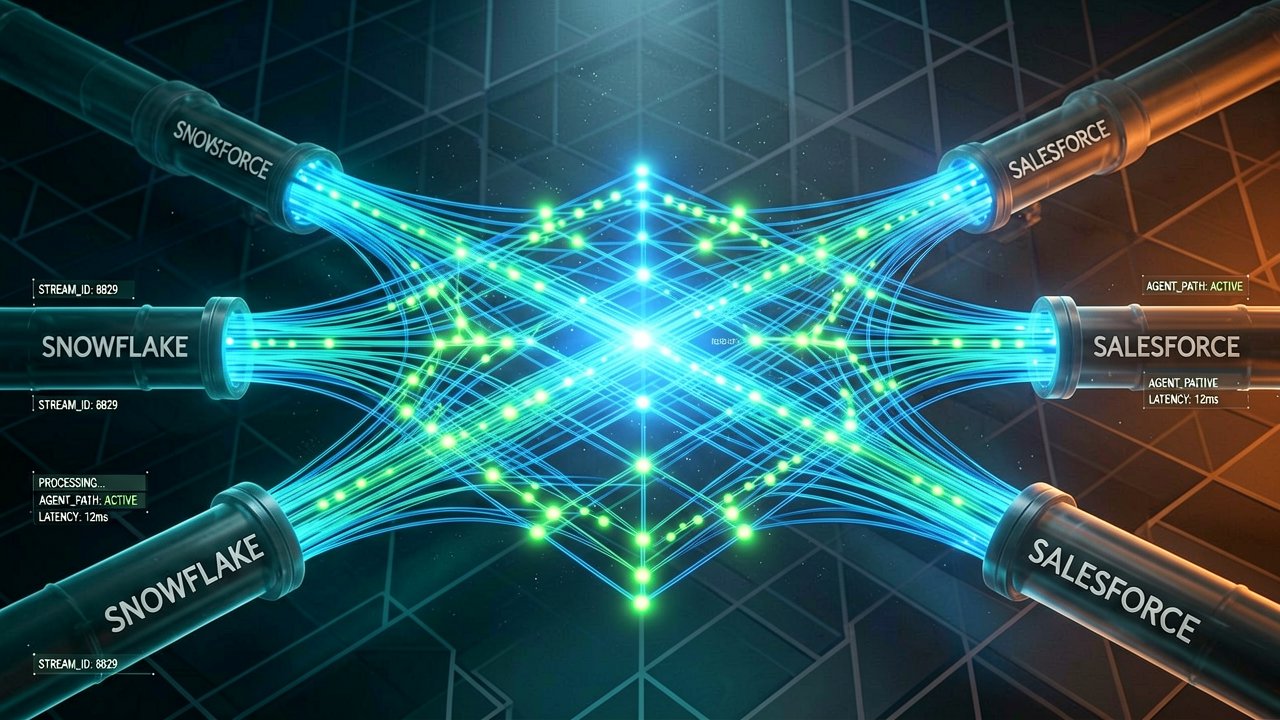
The traditional enterprise feedback loop is fundamentally broken, burdened by a structural disconnect between raw customer sentiment and operational execution. Organizations routinely hoard petabytes of qualitative research, customer support logs, and sales transcripts, yet fail to distill this messy data into quantitative corporate strategies. Addressing this operational bottleneck, customer intelligence pioneer Dovetail rolled out its comprehensive Dovetail platform expansion, designated as the Sun’s Out Summer Launch '26. The update introduces autonomous AI agents and highly tailored digital twins specifically engineered to convert unstructured customer signals directly into measurable business outcomes.
This major strategic shift targets the multi-billion-dollar enterprise analytics market, moving beyond static data visualization into the era of agentic, real-time simulation. Instead of relying on generic synthetic averages populated by models trained on the open internet, Dovetail allows product, sales, and executive teams to cross-examine their own unique data silos. Large organizations such as AWS, Visa, and Breville are utilizing the updated system to bypass conventional cross-department bottlenecks, democratizing user feedback directly from central systems like Snowflake and Salesforce into daily workflow logic.
The Architecture of Autonomous Insight
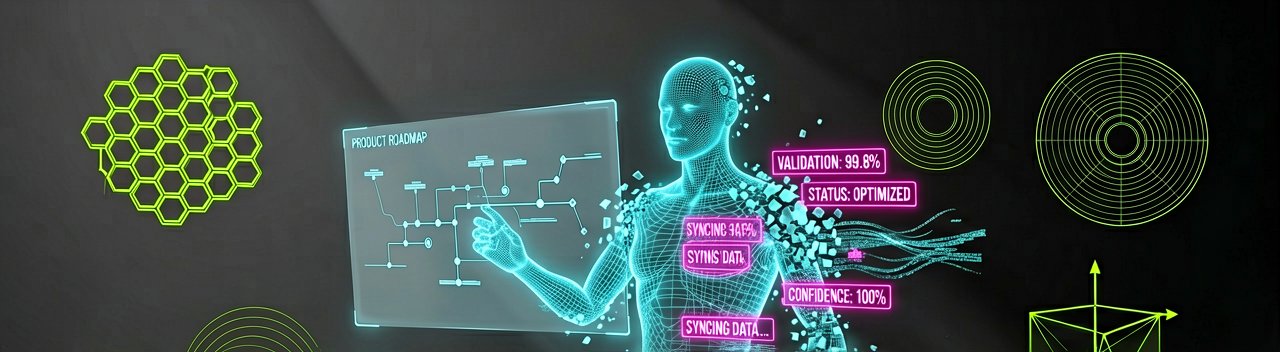
The updated technical ecosystem hinges on two distinct product rollouts: Dovetail Agents and Digital Twins. Built as continuous, autonomous background operators, Dovetail Agents track live telemetry, isolate emerging customer complaints, and route automated intelligence directly to relevant corporate channels based on predefined triggers. Complementing these agents, the platform's Dovetail Digital Twins establish dedicated, conversational personas modeled entirely from contextual historical records, such as support tickets, user interviews, and active sales pipelines. Product managers can instantly stress-test and validate new roadmap hypotheses against these hyper-focused cohorts, gaining validated, real-world customer perspectives within seconds.
Enterprise Integrations and Governance
To assure seamless cross-platform utility, Dovetail has introduced over 30 external data integrations and secure Model Context Protocol connectors linking directly into Slack, Microsoft Copilot, Claude, and Linear. Recognizing the acute compliance and security risks inherently tied to processing vast enterprise repositories, the platform incorporates strict automated AI redaction alongside an official ISO 42001 certification for responsible AI engineering. Through revenue-weighted telemetry tracking and localized enterprise security, this architecture aims to establish qualitative research as a verifiable, core asset for the modern corporate technology stack.
Silicon Valley's Pragmatic Shift to Agentic Validation
What Most Reports Miss: The enterprise software sector is undergoing a profound structural correction, shifting away from superficial generative summaries toward hyper-contextualized simulation models. For the past several years, organizations flooded their corporate data lakes with qualitative customer feedback, yet executive decision-making remained heavily reliant on instinct and incomplete numerical trends. Dovetail’s strategic deployment of domain-specific digital twins marks a critical pivot in how companies extract value from these massive data silos. By moving from static analysis to live, interactive simulation, the platform fundamentally updates the corporate methodology for validating new product features and customer-facing strategies.
Industry engineers and research leaders frequently struggle with the limitations of generic public artificial intelligence, which frequently hallucinates patterns when applied to narrow, specialized industries. Dovetail circumvents this issue by anchoring its software avatars exclusively in a company's internal history, such as live support tickets, sales pipelines, and historical research transcripts. This customized architecture enables product managers to interview a synthetic representation of an enterprise customer persona, obtaining highly accurate, contextual feedback without scheduling lengthy user interviews. Consequently, cross-functional teams can test speculative ideas against complex enterprise archetypes before allocating expensive engineering assets to production.
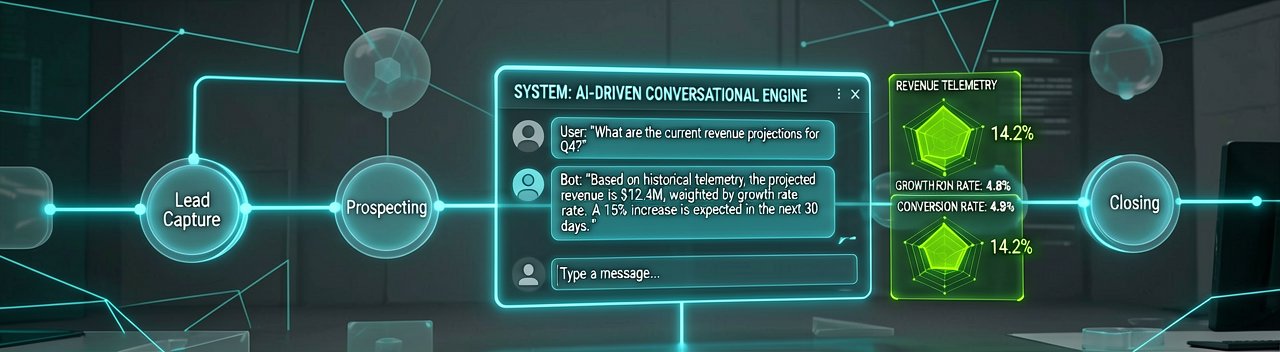
This automated framework also fundamentally alters the balance of power between product design groups and finance departments. Historically, design researchers struggled to quantify customer pain points, resulting in qualitative insights being sidelined by concrete, revenue-driven metrics. The introduction of autonomous agents that continuously track incoming signals allows teams to map urgent user issues directly to larger market trends and customer accounts. As major enterprises integrate these agentic networks into their daily operations, unstructured feedback evolves into a clear, measurable corporate asset capable of influencing high-level product engineering and strategic investments.
The Synthetic Reality of Automated Customer Empathy
Reading Between the Lines: The corporate rush to replace genuine customer interaction with agentic digital twins exposes a fundamental contradiction in the modern tech stack. Silicon Valley has long evangelized the importance of direct human empathy, yet enterprises are actively building sophisticated technological barriers to insulate themselves from real-world users. While interviewing an artificial intelligence clone of a target demographic promises unprecedented operational speed, it assumes that human frustration and shifting market demands can be neatly simulated by historical datasets. This methodology risks creating an echo chamber, where product teams optimize software for a predictable, synthetic caricature of their audience rather than the unpredictable reality of the market.
Furthermore, this high-velocity simulation model introduces significant compliance and data gravity challenges that few organizations are fully prepared to navigate. Feeding continuous streams of unstructured support logs, sales calls, and internal telemetry into autonomous agent networks creates an expansive, high-risk target for algorithmic bias and data leakage. If an organization's digital twin is trained on historical data from a period of poor product stability, the system may stubbornly reject innovative strategic pivots based on outdated customer grievances. The commercial viability of these platforms will ultimately depend on their ability to cleanly decouple permanent structural shifts from fleeting, operational noise.
This automated paradigm also threatens to upend the internal corporate hierarchy by turning qualitative researchers into mere data curators for automated systems. When autonomous agents can instantly generate revenue-weighted impact scores for user complaints, the nuanced, observational expertise of human researchers risks being reduced to a software input. If executive leadership relies exclusively on automated dashboards to determine product-market fit, companies may find themselves highly optimized for fixing existing defects while completely blind to entirely new, disruptive market categories that their historical data cannot possibly predict.
Replacing flesh-and-blood customer interviews with perfectly compliant digital twins is an absolute triumph for corporate efficiency, provided your actual customers never decide to do something as inconveniently human as changing their minds.
Artūras Malašauskas is an AI Systems Integrator with 20+ years of production-grade web engineering experience. He has designed, shipped, and scaled enterprise Python/PHP systems for logistics, SaaS, and public-sector clients. For the past year, he has focused exclusively on AI integrations: deploying open-source LLMs, building generative media pipelines (image, audio, video), and engineering multi-agent workflows for real production environments. His standard: reproducibility, security, cost-efficient inference—no vaporware. He documents and evaluates emerging AI tooling, separating verified capabilities from marketing noise. Technical editor at: muza-ai.eu, ai-verslas.lt, ai-naujinos.lt Connect on LinkedIn
Comments