Wayvia Bridging the AI Integration Gap: Launch of Professional Services Division Signals Enterprise Shift From Insight to Action
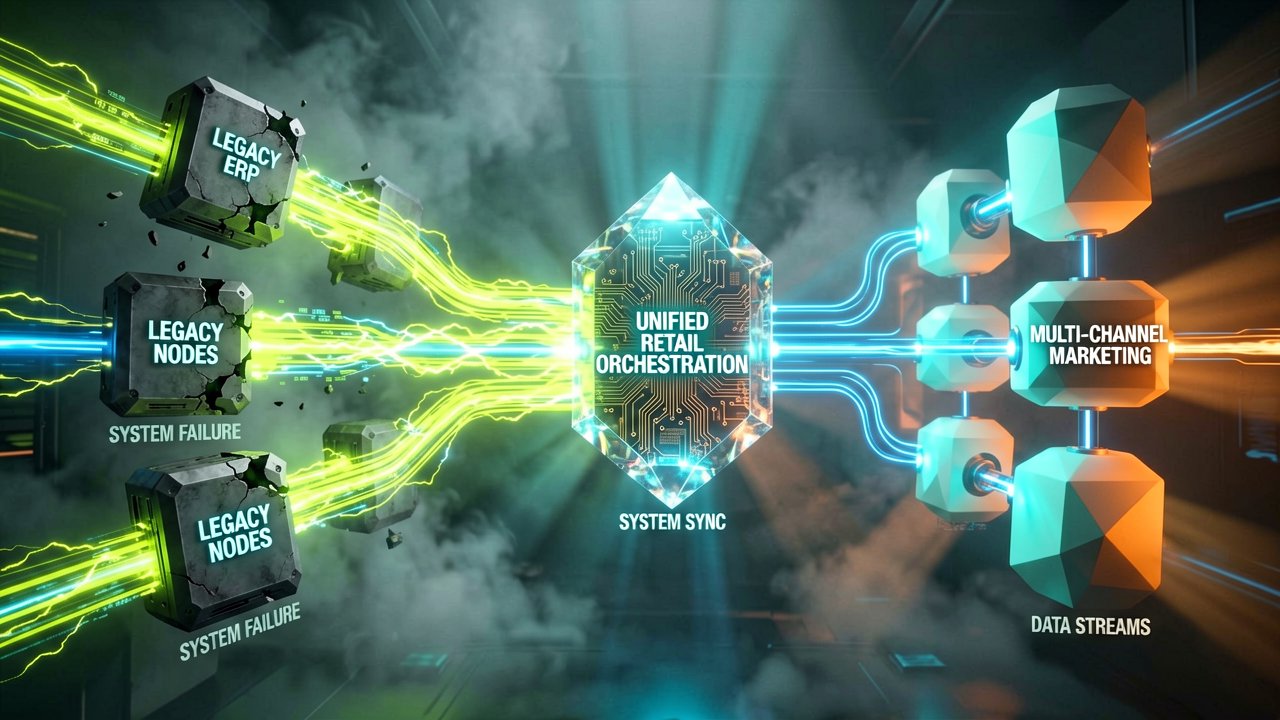
Omnicommerce and retail intelligence provider Wayvia has announced the launch of a new Professional Services Division tailored to help enterprise brands navigate the complexities of AI integration. As announced in a GlobeNewswire press release, the enterprise expansion aims to translate the brand's AI-native data and shopping agent insights into directly executable revenue strategies. To lead this strategic rollout, the company appointed industry veteran Robert Gregory as Senior Director of Professional Services and hired Lynne Riojas as Head of Sales to scale its global B2B operations.
This organizational expansion highlights an industry-wide pivot among software-as-a-service (SaaS) and retail tech providers. While the initial wave of enterprise AI focused heavily on capturing raw metrics and consumer behaviors, modern brands face steep implementation bottlenecks when trying to convert these analytics into automated purchasing workflows. By establishing a dedicated professional services arm, Wayvia is positioning itself to deliver high-touch engineering, custom onboarding, and strategic architecture. This move reflects a broader macroeconomic realization that pure-play software models often require expert human consultancy to ensure long-term customer retention and full utilization of advanced agentic commerce technologies.
Solving the Execution Bottleneck in Retail Tech
The addition of specialized consulting solutions directly tackles the modern enterprise struggle with software fragmentation. Brands often lack the internal expertise to integrate real-time retail intelligence with their legacy supply chains and multi-channel marketing stacks. Wayvia’s approach introduces a white-glove advisory framework where automated data recommendations are immediately executed by vertical experts, accelerating time-to-value for enterprise customers.
Strategic Leadership to Drive Net Revenue Retention
Hiring experienced leaders from ecommerce giants and established SaaS platforms underpins Wayvia’s objective to expand its footprint within its base of over 2,000 existing brands. Prioritizing human expertise alongside automated tools lets the company target larger strategic contracts. This approach minimizes churn by ensuring deep enterprise-wide deployment, rather than letting software sit unused as shelfware.
The Maturation of Agentic Commerce Ecosystems
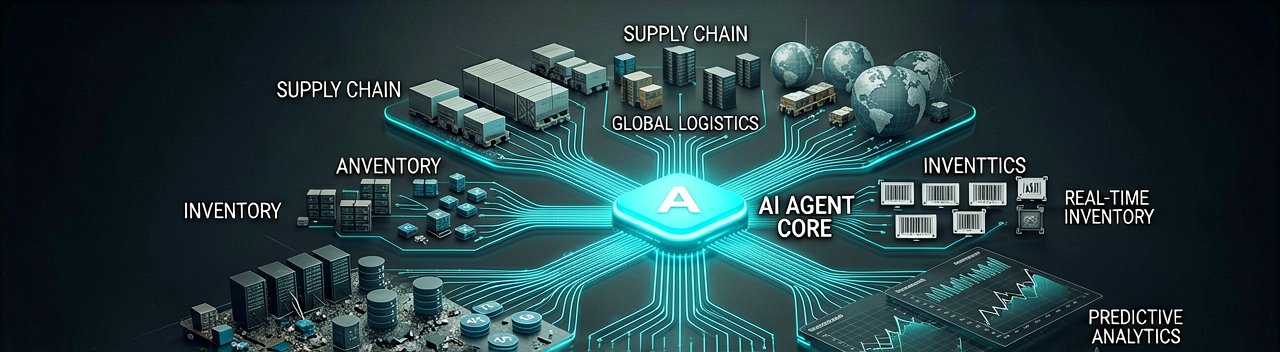
This operational shift reflects a mature phase of market growth, where success is judged by actual business outcomes rather than the novelty of a tool's underlying machine learning model. Moving into professional services allows enterprise vendors to build defensible moats. It wraps proprietary retail algorithms in bespoke services that competitors using generic, off-the-shelf APIs cannot easily replicate.
Anatomy of an AI Realignment
Under the Hood: The launch of Wayvia’s Professional Services Division addresses a growing vulnerability in the enterprise software ecosystem: the widening gap between purchasing artificial intelligence capabilities and achieving operational ROI. For years, tech vendors sold the promise of autonomous enterprise solutions out of the box, yet large brands frequently found themselves stranded during deployment. By offering customized implementation frameworks, the company recognizes that even the most sophisticated AI-native agents require deep contextual calibration against a brand's legacy ERP infrastructure and localized inventory models before delivering measurable yield.
From a stakeholder perspective, this pivot represents a significant retooling of the standard high-margin software-as-a-service (SaaS) business model. Pure software companies traditionally avoided heavy services infrastructure due to the negative impact on gross margins and scalability. However, enterprise buyers have grown weary of "shelfware"—expensive subscriptions that fail to integrate deeply into everyday retail workflows. Wayvia's decision to deploy dedicated consulting teams signals a strategic move to build an operational moat, trading raw software margins for long-term customer lock-in and stabilized net revenue retention across its partner brands.
Historical shifts in the enterprise tech landscape mirror this evolution, echoing the late-2000s transition to cloud computing when companies realized that migration required more than just moving servers to a data center. Today's generative and agentic commerce deployments present an identical bottleneck, where the challenge shifts from data ingestion to actual cross-platform orchestration. By anchoring their technical suite with human subject-matter experts, the incoming leadership team must now navigate the friction of changing internal corporate habits, transforming passive data analysts into active coordinators of automated retail systems.
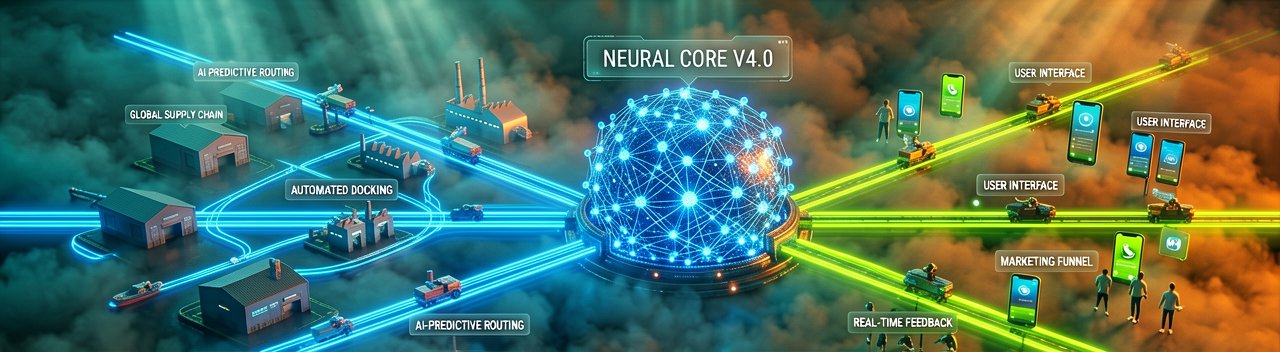
Ultimately, this organizational shift indicates that the market has moved past the initial phase of AI experimentation and hype. Large enterprises no longer judge tech providers by the novelty of their underlying algorithms, but by their ability to execute seamlessly across multi-channel supply chains. Vendors that fail to provide this high-touch integration support risk losing market share to agile, services-first competitors, making specialized human consultancy the true differentiator in scaling enterprise-grade artificial intelligence.
The Hidden Cost of Automated Efficiencies
Reading Between the Lines: The pivot toward an intensive human-led consultancy model exposes a glaring paradox at the heart of the modern enterprise AI movement. Software vendors have spent the better part of a decade pitching autonomous agents as the ultimate headcount-reduction tool, promising that algorithms would seamlessly replace bloated operational teams. By staffing up a massive professional services arm with industry veterans, Wayvia implicitly acknowledges that the road to total automation requires a heavy influx of old-school, billable human labor to patch the holes that pure code cannot bridge.
This structural shift highlights a growing skepticism among corporate chief financial officers who are tightening budgets after years of unvetted AI experimentation. Enterprises are discovering that while an AI agent can instantly suggest an optimized supply chain adjustment, implementing that change without crashing legacy warehousing networks still demands manual oversight. The commercial reality is that "out-of-the-box" software rarely fits into a Fortune 500 tech stack, forcing providers to morph back into traditional IT consultancies just to keep their platform churn rates from spiking.
Furthermore, this strategy introduces a delicate balancing act for tech valuations, as Wall Street historically punishes software companies that begin looking too much like services firms. Professional services carry significantly lower margins and are notoriously difficult to scale compared to repeatable software licensing fees. Wayvia is gambling that the enterprise market's desperation for functional, secure AI implementations will justify the depressed margins, betting that deeply embedded consultative relationships will insulate them from the commoditization plaguing standard API vendors.
As the agentic commerce landscape matures, the definition of a tech platform is being fundamentally redrawn out of sheer necessity. The companies that survive the inevitable cooling of the AI hype cycle will likely be those that treat artificial intelligence not as a magic wand, but as a complex engine that requires continuous mechanical tuning. For enterprise buyers, the lesson is clear: the true cost of eliminating human operational friction is simply shifting that expense onto the specialized consultants hired to build the automation in the first place.
"We were promised a world where self-driving software would run global retail empires overnight, but it turns out that behind every flawless AI agent is an army of expensive consultants in business-casual attire keeping the servers from collapsing under the weight of reality."
Artūras Malašauskas is an AI Systems Integrator with 20+ years of production-grade web engineering experience. He has designed, shipped, and scaled enterprise Python/PHP systems for logistics, SaaS, and public-sector clients. For the past year, he has focused exclusively on AI integrations: deploying open-source LLMs, building generative media pipelines (image, audio, video), and engineering multi-agent workflows for real production environments. His standard: reproducibility, security, cost-efficient inference—no vaporware. He documents and evaluates emerging AI tooling, separating verified capabilities from marketing noise. Technical editor at: muza-ai.eu, ai-verslas.lt, ai-naujinos.lt Connect on LinkedIn
Comments