Silicon Heartbreak: Inside the Lawsuit Alleging Meta Used Cold AI Metrics to Ax Staff on Family and Medical Leave

The tech sector's obsession with automated optimization has hit a stark and deeply troubling legal milestone. Twenty-six Meta employees filed a federal lawsuit in Oakland, California, alleging that the social media giant deployed an invasive network of internal artificial intelligence systems to systematically target workers on protected medical and parental leave during mass layoffs. The plaintiffs argue that as Meta slashed roughly 8,000 jobs—amounting to 10% of its workforce—the automated mechanisms failed to account for approved absences, effectively treating legal leave as a lack of productivity.
According to the legal complaint reported by AP News, the company's algorithmically assisted selection process captured aggressive metrics like keystroke monitoring, mouse activity, and AI token-usage dashboards. Because the algorithm allegedly interpreted the lack of active device data as poor performance, workers on maternity or disability leave were disproportionately flagged for termination. This reliance on blind optimization effectively weaponized algorithmic efficiency against employees during their most vulnerable personal and medical moments.
The Real-World Cost of Algorithmic Bias
This lawsuit isn't just about cold lines of code; it represents an immediate threat to the livelihoods of individuals dealing with major life changes. Plaintiffs' attorneys point out that the automated cuts hit women harder than men, precisely because women are statistically more likely to take pregnancy and caregiving leave. The legal action seeks to halt the separations before they finalize, warning that the immediate consequences—such as losing employer-subsidized health coverage during postpartum recovery or active cancer treatments—cannot be reversed by later arbitration.
The Shield of Corporate Denial
As expected, Meta is pushing back against the allegations with standard corporate messaging. In an official statement, the company declared that the lawsuit completely lacks merit and is not grounded in fact. Meta insists that its organizational and workforce decisions are entirely shaped by human managers rather than automated scripts. However, tech watchdogs argue that even if a human manager signs the paperwork, relying heavily on algorithmically generated "productivity scores" means the machine is making the real decision anyway.
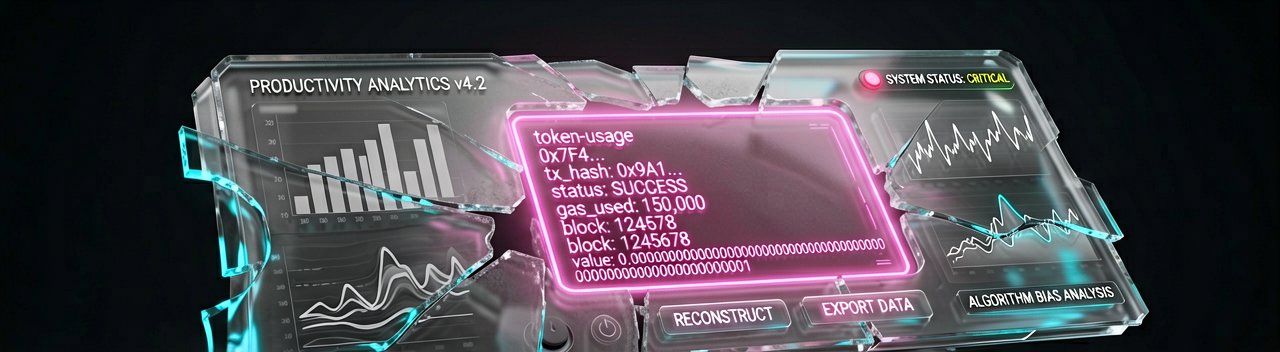
This escalating battle provides a landmark test for the broader technology industry. Tech firms have spent years rolling out workplace monitoring tools to capture everything from messaging logs to browser histories. If the court allows companies to hide behind the opaque decisions of internal AI models during mass layoffs, it sets a dangerous precedent for worker protections everywhere. Silicon Valley has long preached a future automated by artificial intelligence, but this lawsuit exposes the cold, heartless reality when that future is unleashed on human resources.
What Most Reports Miss: The Black-Box Blueprint Behind High-Tech Offboarding
The core tension of this litigation lies in a structural shift within corporate tech infrastructure: the transformation of human resources from an empathetic advisory branch into an automated, data-driven optimization pipeline. For over half a decade, Silicon Valley has quietly adopted workforce analytics platforms designed to distill human effort into a single, digestible "efficiency score." When mass layoffs arrived, these analytical dashboards ceased being passive observational tools and became the active architects of corporate downsizing, stripping human context from critical employment decisions.
Industry insiders reveal that the metrics cited in the Meta complaint, particularly keystroke monitoring and artificial intelligence token-usage logs, were originally implemented to benchmark developer efficiency and train internal language models. However, when fed directly into automated downsizing algorithms, these continuous telemetry streams became a structural trap for absent workers. The mathematical architecture of these systems was structurally incapable of recognizing a zero-activity status as an authorized medical pause, instead categorizing the sudden silence as catastrophic underperformance.
From an labor law perspective, this case moves the conversation past traditional discrimination claims and into the uncharted territory of algorithmic liability. Attorneys specializing in digital rights point out that companies have historically used the "black box" defense, claiming that since an algorithm treats everyone uniformly, it cannot harbor specific discriminatory intent. This defense is falling apart under legal scrutiny, as plaintiffs argue that designing an automation tool that fails to filter out legally protected leave constitutes a reckless and predictable violation of civil rights.
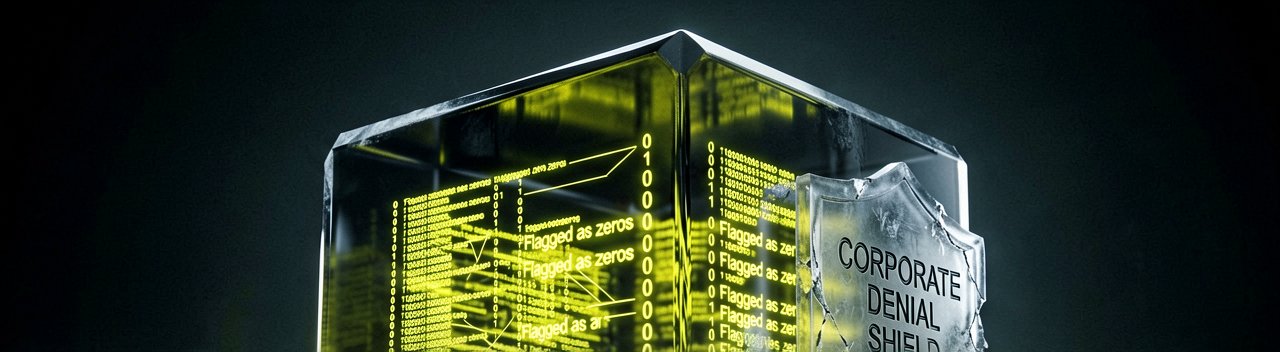
The systemic fallout stretches far beyond the walls of Meta's campuses, signaling an industry-wide crisis of worker trust. Tech professionals are increasingly realizing that corporate devotion to data metrics leaves zero room for the messy realities of human illness, childbirth, or caregiving. By replacing standard managerial reviews with cold automated pipelines, companies risk creating a deeply paranoid corporate culture where employees feel forced to fake digital activity—even from a hospital bed—just to keep a machine from flagging them for termination.
Reading Between the Lines: The Paradox of the Frictionless Workforce
The core irony of this legal battle rests on the industry's own marketing mythology. For years, tech executives have pitched artificial intelligence as the ultimate tool for eliminating human bias, promising an objective meritocracy where workers are judged strictly by the value they generate. Yet, this lawsuit exposes how easily absolute data objectivity degrades into absolute systemic cruelty, treating a planned maternity leave with the exact same automated hostility as a slacking employee. The fundamental flaw was not a lack of data, but a blind, uncritical faith in numbers that lacked any real human context.
Furthermore, Meta’s defense highlights a glaring corporate contradiction. The company insists that human managers made the final termination decisions, yet it simultaneously spends billions of dollars building automated infrastructure designed to minimize human intervention. If managers truly evaluated each case individually, they would have instantly noticed that the flagged employees were on legally protected leave. The reality is likely far more cynical: human managers were forced to rely on algorithmically generated shortlists, transforming the final human sign-off into a superficial rubber stamp meant to shield the company from legal liability.
The broader fallout from this case will likely reshape the legal liabilities of the entire tech ecosystem. If the plaintiffs successfully prove that using passive telemetry data to drive layoffs creates a disparate impact on protected groups, the multibillion-dollar workforce analytics industry will face an existential compliance crisis. Companies will no longer be able to buy off-the-shelf tracking software and blindly apply it to human resource pipelines without facing massive legal exposure. The era of corporate leaders hiding behind a shield of algorithmic ignorance is quickly coming to an end.
"Silicon Valley spent an entire decade trying to automate the human out of human resources, only to discover that when you let a machine handle the corporate guillotine, it lacks the basic programming to check if its targets are actually allowed to be away from their desks."
Artūras Malašauskas is an AI Systems Integrator with 20+ years of production-grade web engineering experience. He has designed, shipped, and scaled enterprise Python/PHP systems for logistics, SaaS, and public-sector clients. For the past year, he has focused exclusively on AI integrations: deploying open-source LLMs, building generative media pipelines (image, audio, video), and engineering multi-agent workflows for real production environments. His standard: reproducibility, security, cost-efficient inference—no vaporware. He documents and evaluates emerging AI tooling, separating verified capabilities from marketing noise. Technical editor at: muza-ai.eu, ai-verslas.lt, ai-naujinos.lt Connect on LinkedIn
Comments