The Death of the Prompt: OpenArt Director and the Shift to Conversational AI Filmmaking
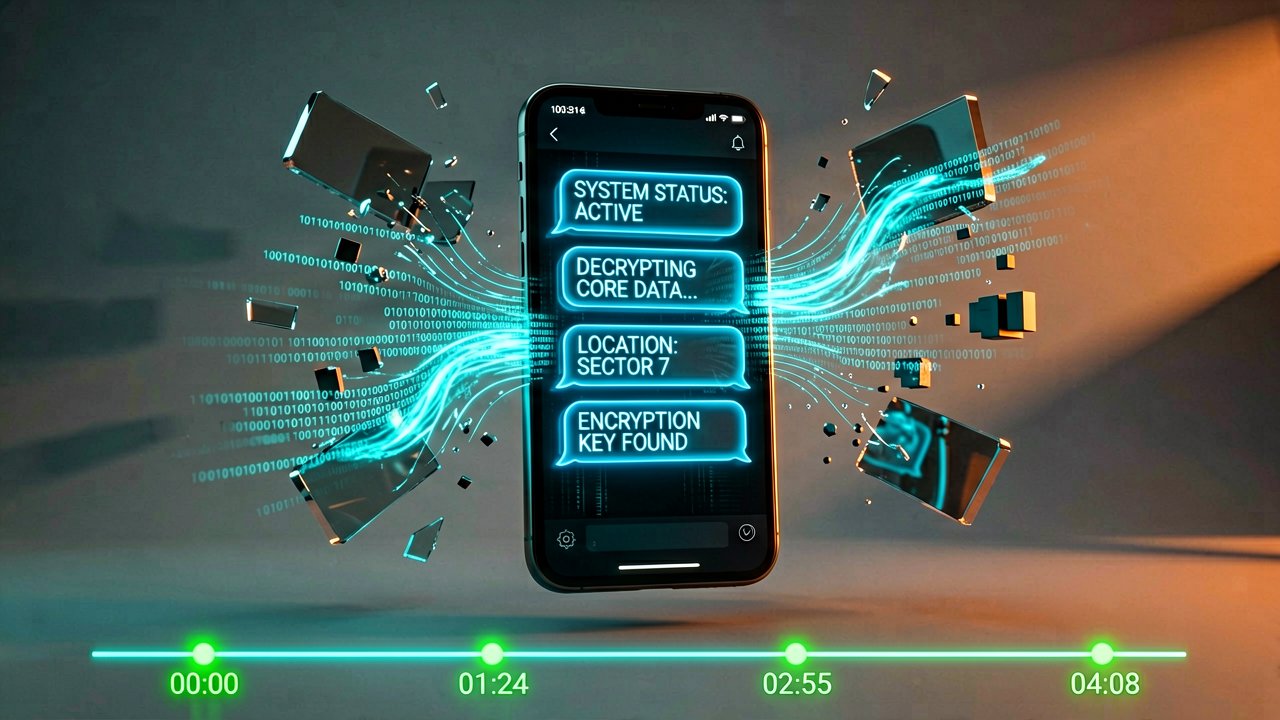
The landscape of generative artificial intelligence is moving away from rigid text prompts toward continuous, fluid orchestration. San Francisco-based generative media startup OpenArt AI has codified this evolution by launching Director, an interactive system engineered to replace traditional prompt engineering with multi-turn conversational video generation. According to the official announcement published via OpenArt Blog, the application establishes an ongoing creative dialogue with users to shape entire cinematic narratives. This strategic release follows a substantial period of scale for OpenArt, which grew its revenues sevenfold in 2025 and closed a $30 million Series A funding round in January 2026, serving an active monthly user base of roughly eight million creators.
By prioritizing plain-text interaction over dense parameter toggling, the tool functions as an integrated creative partner that handles storyboarding, character design, and asset synthesis simultaneously. As highlighted in a report by ITDigest, the release moves past raw text-to-video prompt limitations by allowing users to refine continuous sequences iteratively rather than generating disconnected individual clips. The platform manages complex asset structures, including audio and consistent brand assets, to bypass the fragmented multi-app workflows that currently choke independent digital media production lines.
This deployment establishes a new paradigm in consumer and enterprise media creation, moving technical bottlenecks away from vocabulary precision and toward conceptual vision. OpenArt is targeting the immediate production demands of independent filmmakers, marketing agencies, and social media content teams who require fast turnarounds without losing narrative control. By transforming the user experience from an abstract engineering exercise into a collaborative conversation, Director lowers operational barriers to entry and increases the baseline capabilities of creative studios worldwide.
From Script to Multi-Minute Coherence
Current video generators struggle significantly with continuity, frequently dropping character designs, changing backgrounds, or breaking environmental physics after a few seconds. The product documentation hosted on the OpenArt Director Feature Page notes that the platform natively generates coherent video sequences up to five minutes long without requiring manual stitching or external video editing software. The integrated single-agent architecture maintains contextual understanding across every sequential frame, ensuring that characters, lighting schemes, and core objects remain uniform over extended timelines.
The Economics of Vibe Directing
The enterprise shift toward what OpenArt refers to as "vibe directing" reflects a broader optimization trend across digital creation tools. The application integrates fine-grained control structures directly beneath its chat interface, providing professional editors with a dedicated timeline view to adjust specific shots frame by frame. This hybrid setup lowers asset development friction while retaining the surgical control required for high-stakes advertisement and narrative production, signaling a major monetization bridge for the company following its recent capital influx.
Consolidating the Modular AI Stack
The launch represents a strategic challenge to the modular AI production pipeline, where creators are forced to bounce between separate tools for image generation, motion synthesis, and lip-syncing. Operating as a unified execution agent, the tool handles audio integration and automatic lips-syncing alongside visual generation out of a single hub. This structural consolidation directly addresses consumer fatigue surrounding software-as-a-service subscriptions while making long-form, automated media generation highly accessible to non-technical users.
The Practical Reality of Vibe Directing
What Most Reports Miss: The shift toward conversation-driven asset generation is less about syntax optimization and more about managing cumulative pipeline latency. In legacy generative pipelines, a filmmaker attempting to create a five-minute sequence had to write localized text prompts, render isolated source clips, extract keyframes, manually match lighting maps, and stitch individual assets within external linear editors. The outlines how Director abstracts this fragmented setup by processing structural context across an entire eight-scene storyboard simultaneously. By consolidating visual asset creation, voice rendering, background tracks, and contextual memory into a single loop handled by an autonomous agent named Ori, the platform prevents the generation drift that typically destroys narrative consistency after fifteen seconds.
From a technical execution standpoint, the system relies on an underlying multi-layer reference architecture to enforce visual uniformity. Rather than restricting users to text-only requests, the interface enables the upload of static brand identity files, distinct audio waveforms, and character portraits to anchor the agent's spatial understanding. According to user workflow guides on OpenArt's Director Features Page, when a director inputs an adjustment via the live chat panel, the system refines the targeted frames without overriding the broad environmental parameters or the locked identity files of the cast. This targeted recalculation capability allows production teams to execute iterative revisions safely, bypassing the standard generative limitation where minor prompt changes accidentally alter the entire background architecture or character face geometry.
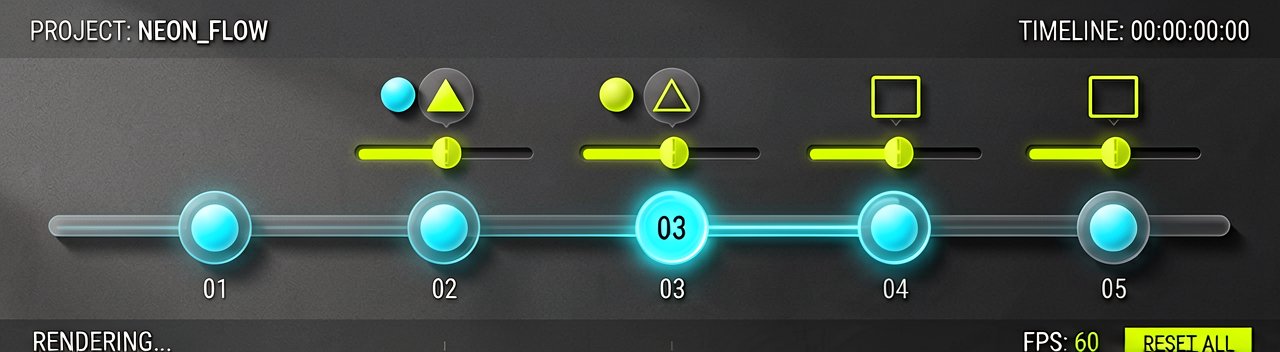
This structural change fundamentally transforms the economic model for boutique marketing agencies and independent media teams. According to enterprise usage metrics noted by ITDigest, the platform allows commercial studios to output diverse User Generated Content ads and detailed product trailers without committing to costly physical sets or multi-day casting calls. By offering deep timeline, scene, and shot adjustments beneath its simple chat interface, the application bridges the gap between quick, automated content generation and surgical frame-by-frame professional editing. As the wider artificial intelligence landscape moves toward unified agent architectures, this deployment signals a shift toward integrated systems that adapt directly to the user's natural language, making high-fidelity narrative filmmaking accessible to non-technical creators.
The Hidden Cost of Automated Epics
Reading Between the Lines: The commercial promise of effortless five-minute AI epics masks a deeper architectural contradiction in conversational media generation. While replacing rigid prompt syntax with natural dialogue, tools like Director essentially transfer the labor of writing precise code-like text strings into managing long, repetitive conversational loops. A creator who once spent hours troubleshooting punctuation tokens in a prompt box may now spend the same amount of time explaining subtle adjustments to an artificial assistant that still struggles with spatial relations. This paradigm shift does not eliminate production friction; it merely trades the technical barrier of token engineering for the psychological fatigue of endless verbal negotiation with an agent.
Furthermore, the claim of flawless narrative coherence over a multi-minute timeline faces significant scaling challenges when subjected to professional scrutiny. Even with robust underlying reference architecture, continuous media synthesis remains highly susceptible to contextual decay, where minor errors in early scenes quietly compound into glaring continuity breaks by the final act. For independent studios and marketing agencies, a character's face subtly shifting or a background asset changing mid-sequence can render an entire automated render useless for commercial broadcasting. The financial risk shifts from front-end production costs to back-end computational waste, as teams burn through generation credits to repeatedly fix stubborn visual artifacts.
The long-term impact on the entertainment industry may also diverge sharply from current democratization narratives. By lowering the technical barrier to long-form video creation, the marketplace will inevitably face an unprecedented surplus of mid-tier, structurally identical digital content. When any user can easily direct an automated five-minute short film via a simple chat interface, the baseline value of conversational visual storytelling drops precipitously. The ultimate competitive advantage will likely swing back toward physical filmmaking constraints, hyper-specific human curation, and traditional scriptwriting, rendering the frictionless conversational pipeline a standard utility rather than a creative differentiator.
The future of digital filmmaking belongs to the smooth talkers, but until AI directors understand that 'make it look more cinematic' does not mean adding random lens flares to every frame, human cinematographers can safely keep their day jobs.
Artūras Malašauskas is an AI Systems Integrator with 20+ years of production-grade web engineering experience. He has designed, shipped, and scaled enterprise Python/PHP systems for logistics, SaaS, and public-sector clients. For the past year, he has focused exclusively on AI integrations: deploying open-source LLMs, building generative media pipelines (image, audio, video), and engineering multi-agent workflows for real production environments. His standard: reproducibility, security, cost-efficient inference—no vaporware. He documents and evaluates emerging AI tooling, separating verified capabilities from marketing noise. Technical editor at: muza-ai.eu, ai-verslas.lt, ai-naujinos.lt Connect on LinkedIn
Comments