Mobile Operational AI Agents: Redefining On-Call Workflows for the Modern Engineer
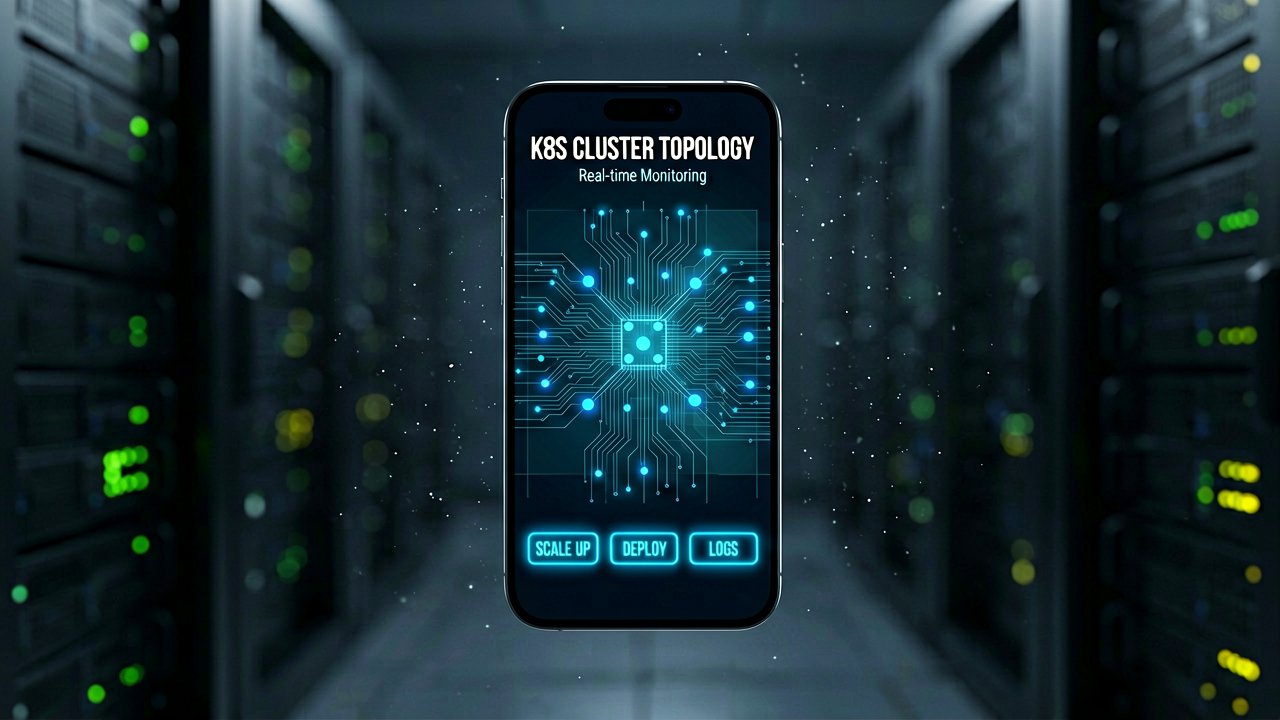
The operational landscape for Site Reliability Engineering (SRE) and DevOps teams is undergoing a critical paradigm shift as the industry transitions from passive alerting mechanisms to active, mobile-first intervention. Historically, phone-based incident response has been limited to basic push notifications and page acknowledgements, forcing technical professionals to scramble to a laptop to perform any meaningful diagnosis or remediation. The launch of ARI Mobile by InsightFinder fundamentally rewrites this workflow, empowering engineers to execute complex actions and manage enterprise system health entirely from their smartphones.
This release marks a significant milestone in corporate infrastructure management, where the demand for continuous digital service uptime collides with the reality of highly distributed engineering teams. By packaging a fully capable, action-oriented operational AI agent into a mobile application, the platform addresses a major bottleneck in modern incident response cycles. Engineers are no longer constrained by physical proximity to their workstations when critical production errors emerge, successfully bridging the long-standing gap between real-time anomaly detection and rapid execution control.
From a strategic standpoint, mobile operational agents change the fundamental role of the on-call engineer from a manual log investigator to a supervisory coordinator. As enterprise software architectures increase in complexity, relying on traditional dashboards and fragmented troubleshooting methodologies becomes unsustainable. The introduction of mobile-native intelligent orchestration demonstrates that the future of system reliability depends on putting deterministic, human-in-the-loop executive power directly into the pocket of the engineer on the go.
The Death of the Passive Alert: Transitioning from Notification to Action
Traditional monitoring tools often exacerbate operational fatigue by inundating on-call engineers with noisy telemetry and superficial alerts. According to industry analysis published by SD Times, legacy mobile incident applications are engineered primarily to signal that an error exists, offering little to no investigative capability on the fly. This limitation inevitably delays resolution timelines, directly impacting enterprise service level agreements (SLAs) and increasing the overall blast radius of system failures.
In contrast, an operational AI agent functioning on a mobile framework handles the heavy lifting of event correlation and triage natively. Engineers can query the system using natural language to pinpoint precise causal relationships rather than superficial symptoms, isolating historical anomalies and deployment changes in seconds. This shift drastically compresses the initial phases of the incident lifecycle, altering how technical professionals interact with production stacks during high-pressure scenarios.
Human-in-the-Loop Architecture and Secure Execution Control
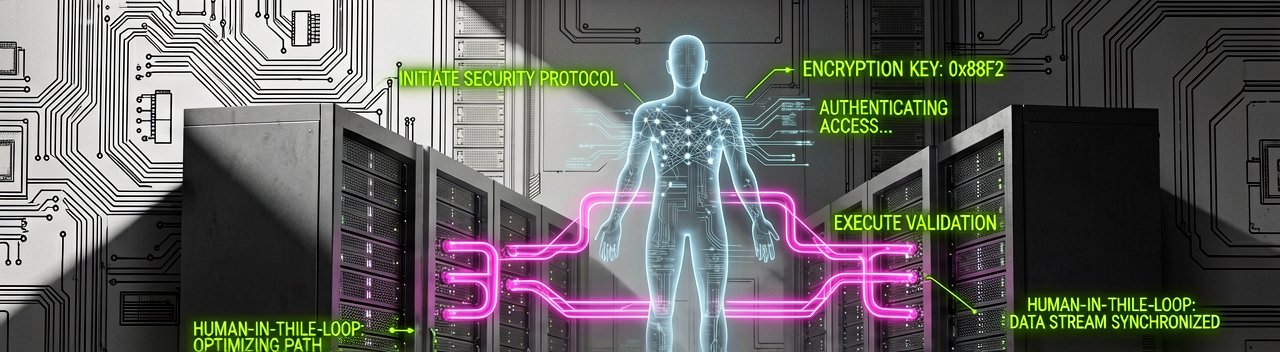
Deploying autonomous capabilities within live production environments introduces severe risk factors, making strict governance protocols a core requirement for enterprise adoption. To mitigate unauthorized API calls or accidental data exfiltration, the mobile agent relies on a human-in-the-loop structure where the AI recommends specific fixes but requires explicit engineer approval before execution. This approach maintains a rigid boundary between decision synthesis and actual system modification, ensuring that security compliance remains intact.
Through simple, one-tap mobile interfaces, engineers can review inline telemetry—including metrics, logs, and deployment timelines—and immediately authorize high-impact remedies. These actions range from approving a database rollback or restarting a Kubernetes pod to muting noisy alerts and escalating tickets to specific team members. By executing these targeted workflows through an authenticated mobile application, organizations retain strict auditability while unlocking unprecedented operational agility.
Autonomous Self-Learning and the Future of Enterprise Resilience
The underlying infrastructure driving mobile operational agents is rooted in unified intelligence engines capable of continuous adaptation. As detailed on the official InsightFinder Product Portal, the system acts as a direct extension of a broader, self-learning reliability ecosystem that integrates seamlessly with existing observability platforms like Datadog, Prometheus, and ServiceNow. This continuous integration ensures that the underlying models adapt to the specific domain constraints and architectural dependencies of each business over time.
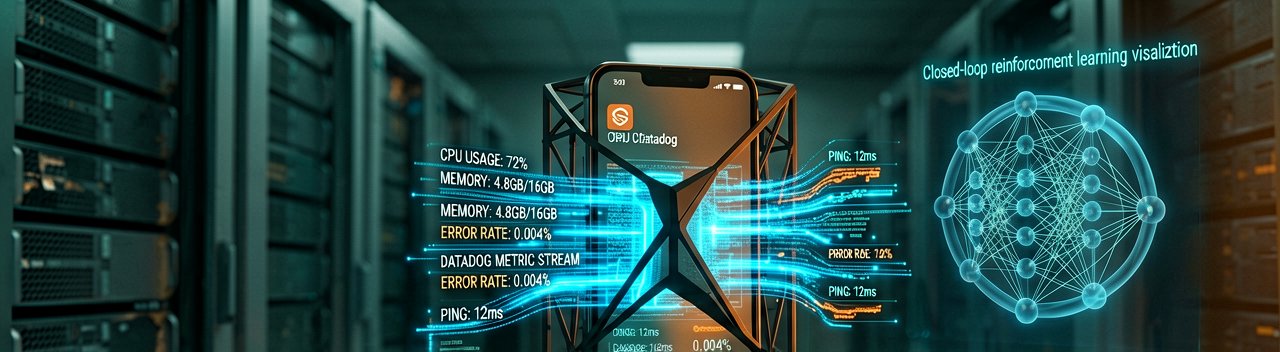
Furthermore, production failures or model inaccuracies are captured and fed back into a localized reinforcement learning loop, transforming real-world edge cases into structured training datasets. This closed-loop design ensures that the AI agent becomes more precise with every incident handled, helping teams move systematically from reactive firefighting to proactive resilience. Ultimately, mobile-first operational AI agents represent a permanent shift in engineering culture, proving that robust enterprise uptime can be maintained effortlessly without tethering technical talent to an office desk.
Behind the Scenes of the Mobile DevOps Transformation
What Most Reports Miss: The true disruption of bringing operational AI agents to mobile devices is not the portability of the software, but the psychological unburdening of the engineering workforce. For the past two decade, being on-call meant living in a state of digital house arrest, where leaving one's desk required calculating the distance to the nearest Wi-Fi network and ensuring a laptop bag was always within arm's reach. By embedding action-capable intelligence directly into a smartphone, engineering leaders are addressing the acute burnout crisis that plagues modern infrastructure teams, converting high-stress firefighting into manageable, asynchronous supervision.
From an architectural standpoint, executing complex diagnostic scripts and remediation playbooks from a mobile interface requires a profound shift in data orchestration. Traditional observability dashboards are notoriously dense, rendering poorly on small screens and overwhelming engineers with raw data during an outage. Experienced systems architects point out that a successful mobile agent must act as an aggressive curation layer, utilizing generative AI to synthesize gigabytes of log lines and metric points into a few sentences of actionable context, complete with recommended next steps.
This operational model introduces a delicate tension between autonomy and control that corporate security officers are watching closely. While the promise of executing a database rollback via a quick mobile tap increases agility, it also expands the corporate attack surface if not coupled with rigorous identity verification. Forward-thinking enterprises are addressing this by layering zero-trust network access and biometric authentication directly over the AI agent's execution layer, ensuring that critical production infrastructure cannot be modified through compromised or unauthorized mobile endpoints.
Furthermore, the long-term economic impact of mobile operational agents extends far beyond reducing Mean Time to Resolution (MTTR). By capturing human-in-the-loop decisions natively on a mobile interface—such as an engineer approving a specific pod restart over a configuration rollback—the underlying AI models build a highly localized repository of engineering intuition. This crowdsourced institutional knowledge becomes a permanent asset for the organization, allowing junior engineers to leverage the historical decision patterns of senior architects during off-hours incidents, effectively democratizing specialized troubleshooting expertise across the entire rotation.
Reading Between the Lines: The Friction of Pocket-Sized Production Control
Reading Between the Lines: The marketing narrative surrounding mobile operational AI agents assumes a frictionless transition from the desktop to the smartphone, but this idealism glosses over the realities of complex system troubleshooting. While executing a pre-packaged remediation script from a mobile app is straightforward, actual production failures rarely conform to predictable playbooks. When non-linear, multi-system cascading failures occur, the structural constraints of a five-inch screen quickly turn from a convenience into a severe operational bottleneck, as engineers cannot easily slice through multiple terminal windows or compare disparate data visualizations simultaneously.
There is also an inherent contradiction in relying on an AI agent to fix infrastructure that may be causing the very network degradation preventing the mobile device from connecting. If an enterprise suffers a catastrophic routing failure or a global DNS outage, an engineer standing in a grocery store with a smartphone will find themselves completely decoupled from the loop. This creates an uncomfortable paradox where the mobile agent is highly effective for minor, predictable anomalies, but largely impotent during the black swan events where rapid intervention is most desperately needed by the business.
Furthermore, engineering executives must reckon with the risk of algorithmic complacency among on-call rotations. When an operational AI consistently presents polished diagnostic summaries and one-touch remediation buttons, junior engineers may lose the muscle memory required to interrogate raw system telemetry directly. Over-reliance on an agent's synthesized reality risks creating a generation of professionals who can approve a recommended fix, but lack the deep, foundational understanding required to rebuild an architecture when the AI itself hallucinates or misinterprets a novel failure state.
Ultimately, the true test of mobile operational agents will not be their initial convenience, but how they reshape corporate expectations around engineer availability. If these tools are leveraged to give technical professionals their personal lives back, they represent a monumental victory for workplace culture. However, if enterprises interpret "on the go" capability as an open invitation to expect instantaneous production fixes during dinner, vacations, or sleep, then the pocket-sized AI agent will have merely transformed a structured on-call shift into a continuous, boundaryless operational prison.
"We spent a decade migrating our engineers away from the office so they could enjoy a healthier work-life balance, only to hand them an AI agent that ensures they can comfortably orchestrate a global cloud migration while standing in the drive-thru lane at two in the morning."
Artūras Malašauskas is an AI Systems Integrator with 20+ years of production-grade web engineering experience. He has designed, shipped, and scaled enterprise Python/PHP systems for logistics, SaaS, and public-sector clients. For the past year, he has focused exclusively on AI integrations: deploying open-source LLMs, building generative media pipelines (image, audio, video), and engineering multi-agent workflows for real production environments. His standard: reproducibility, security, cost-efficient inference—no vaporware. He documents and evaluates emerging AI tooling, separating verified capabilities from marketing noise. Technical editor at: muza-ai.eu, ai-verslas.lt, ai-naujinos.lt Connect on LinkedIn
Comments