Anthropic’s Claude Science Weaponizes AI Workbench to Close Global Health Gaps in Neglected Diseases
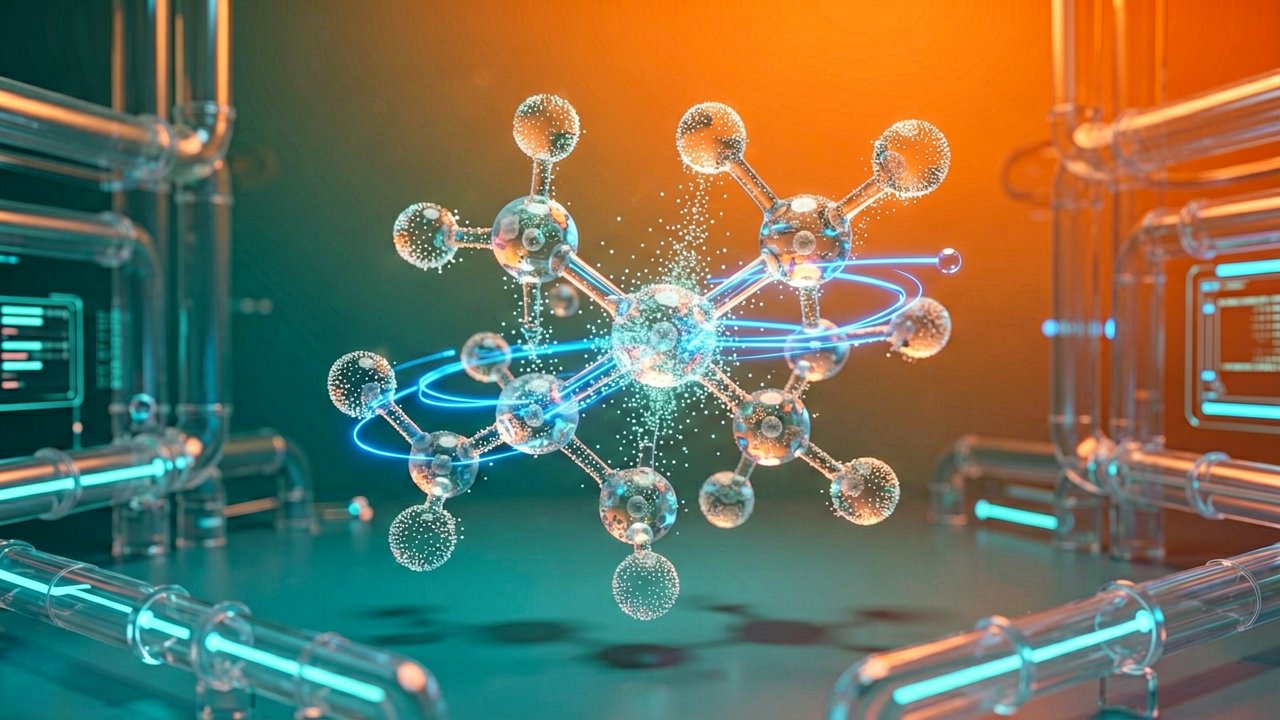
The artificial intelligence landscape has reached a pivotal transition from general productivity assistance to specialized, high-stakes industrial applications. Moving decisively into this new era, Anthropic has launched Claude Science, an integrated AI research workbench tailored specifically for biotechnology and pharmaceutical development. Released in beta for premium tier users, the platform consolidates over 60 curated scientific databases, computational pipelines, and visualization tools into a single operating environment. This initiative unifies previously fragmented workflows across single-cell RNA sequencing, genomics, structural biology, and cheminformatics to optimize the core research loop.
Concurrently, Anthropic has announced an aggressive expansion of its internal life sciences agenda by establishing an in-house pre-clinical drug discovery program. This strategic arm focuses explicitly on discovering treatments for neglected and rare diseases—therapeutic areas traditionally sidelined by major biopharmaceutical corporations due to prohibitive costs and limited commercial returns. By choosing to target indications where a massive global disease burden exists but market incentives are lacking, Anthropic intends to demonstrate the real-world validation of its platform while filling critical global health disparities.
Market Impact and Strategic Monopolization of the AI-Bio Workflow Layer
Anthropic's simultaneous introduction of a software workbench and an internal pipeline represents a calculated approach to tech-driven drug discovery. Rather than operating purely as a traditional software vendor or pivoting completely into a full-scale biopharma company, Anthropic is positioning its platform at the foundational coordination and orchestration layer of the life sciences sector. As reported by CNBC, this dual-track strategy mirrors long-standing healthcare ambitions from rivals like Alphabet and Microsoft, but deliberately sharpens the focus on near-term enterprise deployment and pipeline validation.
From an enterprise positioning standpoint, running an internal pre-clinical discovery program serves as a critical feedback loop. According to statements given to Reuters by Eric Kauderer-Abrams, Anthropic’s head of life sciences, entering the pre-clinical discovery space allows the startup to directly experience the operational friction that pharmaceutical customers face, ultimately enabling them to build superior foundational models. This internal validation strategy is supported externally by a network of high-profile institutional partnerships, including collaborations with the Howard Hughes Medical Institute and joint initiatives with the Gates Foundation to model disease transmission and computationally screen vaccine candidates for lower-income regions.
Commercial Trajectory, IP Monetization, and IPO Positioning
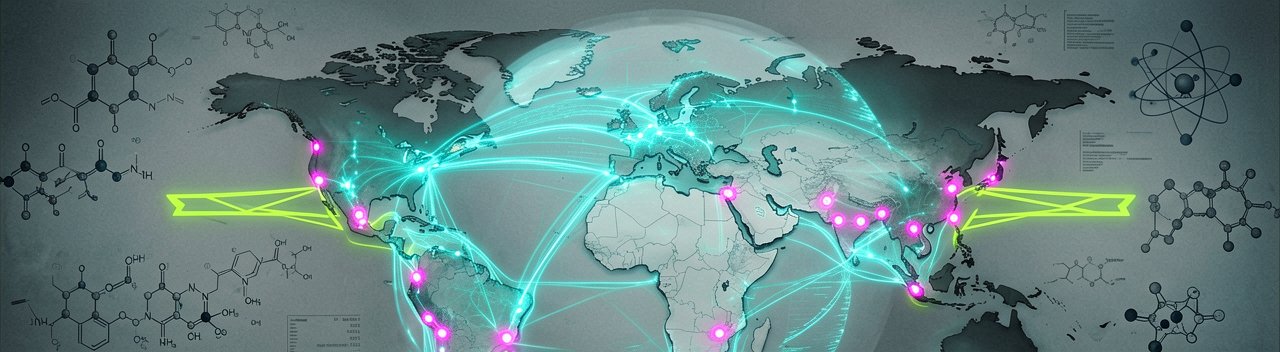
The rollout of Claude Science signals a broader economic necessity within the generative AI market to capture high-margin, enterprise software revenue streams. As noted by MIT Technology Review , pharmaceutical entities wield substantially deeper capital reserves than academic research institutions, offering Anthropic a stable enterprise customer base as the company approaches its highly anticipated initial public offering (IPO) later this year. Securing multi-year software licensing contracts with global drugmakers provides predictable recurring revenue that counterbalances the volatile compute costs associated with raw model scale.
Crucially, the platform’s focus on full auditability and reproducibility addresses a major bottleneck in regulatory compliance. Claude Science tracks the full heritage of its outputs—packaging calculations, model reasoning, and code environments into reproducible data packages. This explicit documentation layer acts as an essential safeguard for regulatory submissions, reducing the validation friction that has historically slowed AI adoption in clinical settings. By engineering these compliance standards directly into the workflow, Anthropic is building a highly defensible platform ecosystem capable of anchoring the next generation of scientific discovery.
Behind the Scenes: Inside the High-Stakes Geopolitics of Automated Medicine
The rollouts of Claude Science and Anthropic’s in-house pre-clinical pipeline are a calculated offensive in a larger, high-stakes battle to define the sovereign computing infrastructure of global biology. By embedding its platform directly into the data pipelines of neglected disease research, Anthropic is positioning its architecture as the indispensable layer for low-resource health interventions. This tactical movement addresses a structural failure in the pharmaceutical market, where the exorbitant costs of traditional wet-lab development systematically starve tropical diseases and rare genetic disorders of vital R&D funding. By using AI to slash early-stage screening costs from millions of dollars to pennies per compound, the developer aims to fundamentally rewrite the financial realities of global public health.
This aggressive pivot into life sciences signals a broader, systemic shift among elite artificial intelligence labs toward defensive intellectual property accumulation. As foundational model intelligence approaches a point of commoditization, the commercial frontier is rapidly shifting toward proprietary data generation and industry-specific workflow integration. Insiders note that Anthropic's choice to build a specialized scientific workbench reflects a deep awareness that general-purpose chatbots cannot capture the lucrative enterprise compute spend of global pharma corporations. The company's strategy focuses on locking in institutional dependencies early by offering tools that integrate disparate datasets—such as single-cell transcriptomics and structural biology—into a single compliant environment.
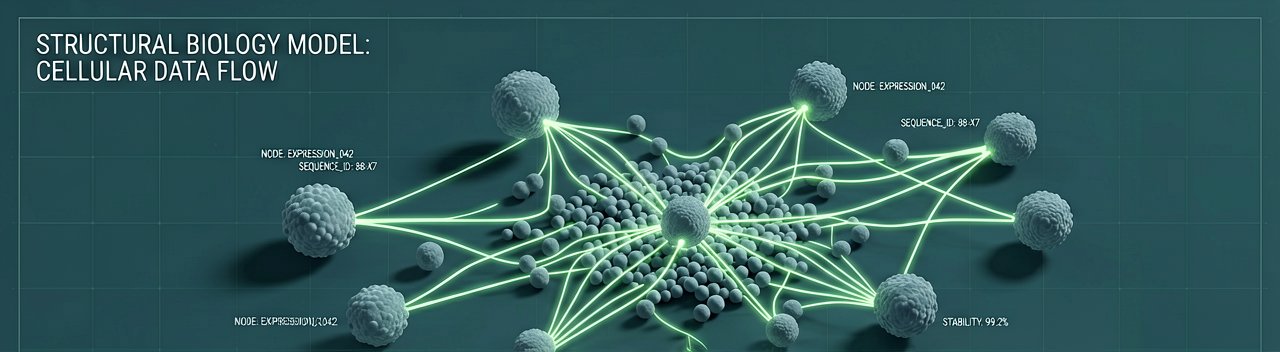
The geopolitical implications of this centralized biological computing power have already caught the attention of global regulatory authorities and security agencies. As advanced platforms like Claude Science demonstrate an unprecedented capacity to predict protein structures and optimize small-molecule synthesis, the line between therapeutic innovation and dual-use chemical risk becomes increasingly blurred. Industry analysts point out that Anthropic's rigorous emphasis on compliance, full system auditability, and safety guardrails is not merely a feature for corporate clients, but a necessary preemptive shield against government overregulation. This focus on verifiable safety metrics is designed to assure global watchdogs that autonomous molecular design can be safely commercialized without compromising biosecurity standards.
Ultimately, the long-term success of this initiative will be measured by its ability to transition digital discoveries into viable clinical therapies. Navigating the regulatory pipeline from a computationally generated hit compound to an approved drug remains an incredibly complex hurdle, regardless of how quickly the initial machine-learning phases are executed. By forging early, strategic partnerships with established philanthropic entities and academic research networks, Anthropic is building the necessary real-world testing grounds to validate its virtual discoveries. If these collaborative pipelines successfully deliver novel treatments to clinical trials, it will mark a definitive turning point where artificial intelligence evolves from an engineering experiment into a cornerstone of global healthcare infrastructure.
Reading Between the Lines: The Structural Paradox of Non-Profit Biology in a Venture-Backed Ecosystem
The core paradox of Anthropic’s humanitarian push into neglected diseases lies in the friction between venture-capital realities and the non-profit economics of global health. Developing treatments for indications that primarily impact low-income regions requires a long-term capital commitment that fundamentally clashes with the compressed time horizons of technology investors expecting exponential returns. While computational screening significantly lowers the initial financial barrier to identifying drug candidates, it does not bypass the most expensive and failure-prone stages of development: animal models, manufacturing scale-up, and multi-phase human clinical trials. By absorbing pre-clinical discovery into its own corporate balance sheet, Anthropic assumes a massive operational risk that has historically driven specialized biotech startups to the brink of insolvency.
Furthermore, this dual-track strategy reveals a distinct tension between the open-science ethos required to solve systemic global health gaps and the proprietary imperatives of a commercial AI vendor. For Claude Science to truly democratize neglected disease research, its underlying models, training methodologies, and computational findings must be accessible to resource-constrained laboratories worldwide. However, as an enterprise entity positioning itself for a landmark initial public offering, Anthropic faces intense pressure to guard its proprietary data loops and monetize its specialized software layers. This creates an environment where the most powerful discovery tools may remain gated behind premium licensing fees, inadvertently widening the technological divide between elite Western research hubs and the global South institutions they intend to assist.
There is also a profound technical skepticism regarding whether current LLM-driven architectures can reliably transcend the training data to discover truly novel biological mechanisms. Machine learning models excel at interpolating within existing scientific literature, but identifying a breakthrough therapeutic pathway for an unstudied disease often demands a leap into completely uncharted biological territory. If the platform merely rehashes existing academic hypotheses, it risks flooding the pre-clinical pipeline with plausible-sounding but functionally inert molecular candidates, shifting the research bottleneck from computational hypothesis generation to physical validation. Ultimately, Anthropic’s bold entry into medicine will be judged not by the volume of synthetic compounds it screens, but by its capacity to deliver tangible, approved therapeutics that survive the unforgiving crucible of the clinic.
"We have officially reached the era where AI can synthesize ten million virtual molecules before breakfast, leaving human scientists with the comforting realization that we are still desperately needed for the tedious, multi-year task of discovering whether any of them actually work in a living organism."
Artūras Malašauskas is an AI Systems Integrator with 20+ years of production-grade web engineering experience. He has designed, shipped, and scaled enterprise Python/PHP systems for logistics, SaaS, and public-sector clients. For the past year, he has focused exclusively on AI integrations: deploying open-source LLMs, building generative media pipelines (image, audio, video), and engineering multi-agent workflows for real production environments. His standard: reproducibility, security, cost-efficient inference—no vaporware. He documents and evaluates emerging AI tooling, separating verified capabilities from marketing noise. Technical editor at: muza-ai.eu, ai-verslas.lt, ai-naujinos.lt Connect on LinkedIn
Comments