Breaking the Paywall: UNESCO Deploys Open-Source Repository to Democratize Global Science

The traditional scientific publishing model has long felt like a gated community, where critical breakthroughs are locked behind premium paywalls. In a decisive move to shatter these barriers, UNESCO officially launched its brand-new Open Science Platform during the UN Open Source Week in New York. Developed in lockstep with the United Nations International Computing Centre, this free and open-source infrastructure provides an accessible gateway to a massive repository of global research, leveling the playing field for scientists in developing nations who have historically been sidelined by exorbitant institutional subscription fees.
By building the repository on CERN’s proven InvenioRDM framework, the creators aren't just dumping documents into a generic database; they're constructing a highly interconnected web of knowledge. Initially, the platform concentrates heavily on the diverse output of the UNESCO Natural Sciences Family, making everything from peer-reviewed journal articles and books to desk studies easily discoverable through a single, unified search interface. Over time, the initiative plans to absorb raw research datasets, offering a deeper look into the actual numbers backing up major global studies.
Tracking Progress and Translating Complexity
What makes this roll-out genuinely compelling is its refusal to stop at basic text storage. The platform integrates interactive dashboards that track how well member states are adopting the broader 2021 UNESCO Recommendation on Open Science, highlighting real-world gaps in infrastructure, national policy, and academic incentives. Furthermore, recognizing that raw academic text often alienates the people who need it most, the platform features curated highlights and illustrated, plain-language summaries. It's a thoughtful touch that translates dizzying data on climate change, water resource management, and gender disparities into actionable insights for policymakers and the public alike.
The Hidden Cost of Academic Friction
What Most Reports Miss: The true victory of this platform isn't just the zero-dollar price tag; it's the elimination of the invisible bureaucratic friction that stifles international collaboration. For decades, researchers in the Global South have wasted critical weeks negotiating institutional access or relying on fragmented, unauthorized mirror sites just to review contemporary literature. By deploying a standardized, open-source infrastructure, UNESCO is effectively bypassing the legacy publishing cartel, allowing a climatologist in Nairobi to instantly access the exact same dataset as a peer in Zurich.

This paradigm shift arrives at a moments of deep institutional skepticism toward commercial academic publishers, who routinely report profit margins rivaling tech giants while relying on unpaid peer reviewers. The reliance on CERN’s InvenioRDM architecture is a deliberate statement of digital sovereignty. Instead of outsourcing public knowledge to proprietary software ecosystems, the United Nations is investing in community-governed code that guarantees long-term preservation without the risk of future monetization or corporate acquisition.
However, the road to absolute scientific democratization faces steep cultural hurdles within academia itself. The global university system remains stubbornly wedded to traditional impact factors and prestige metrics dictated by legacy journals. For this platform to achieve its full disruptive potential, global funding bodies must overhaul how they evaluate career advancement, rewarding researchers who publish openly rather than those who secure placement behind elite paywalls.
Ultimately, the success of this infrastructure hinges on its planned expansion into raw machine-readable datasets. In an era where artificial intelligence requires massive, unbiased pools of data to model everything from pandemic vectors to agricultural yields, an open repository of this scale is invaluable. By treating scientific data as a public good rather than a proprietary commodity, the initiative lays the groundwork for a more equitable era of algorithmic discovery.
The Paradox of Institutional Altruism
Reading Between the Lines: While celebrating this shift toward equitable access, industry analysts must inject a necessary dose of skepticism regarding the platform's immediate global bite. The United Nations is essentially trying to fix a cultural problem with a technical solution. Launching a sophisticated, open-source repository built on CERN's infrastructure is an impressive feat of engineering, but it does not automatically dismantle the deeply entrenched academic incentives that keep the world's most cutting-edge research under commercial lock and key.
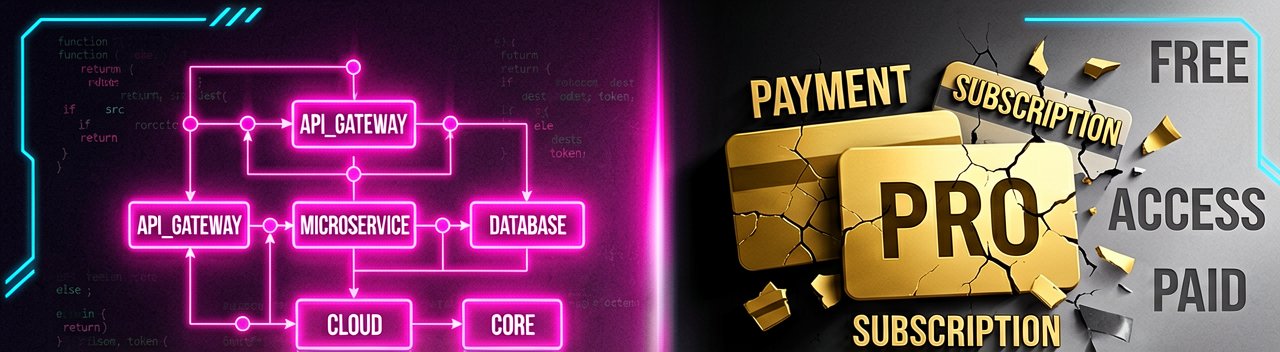
A glaring contradiction lies within the platform's initial scope, which is limited primarily to the output of UNESCO's own Natural Sciences Family. In practice, the agency is democratizing data it already owned and controlled, acting as its own gatekeeper while the massive, privately funded breakthroughs in biotechnology, quantum computing, and artificial intelligence remain aggressively proprietary. Until commercial publishers face binding policy mandates from major national funding bodies, open-source platforms run the risk of becoming digital echo chambers—highly ethical, perfectly accessible, but fundamentally starved of the mainstream, high-impact papers that drive global industry.
Furthermore, monitoring compliance through digital dashboards introduces an uncomfortable geopolitical dynamic. Tracking how effectively member states adopt open science frameworks creates a metric of accountability that many developing nations cannot realistically meet due to rolling blackouts, fragile server setups, and a lack of local technical talent. If the platform ends up highlighting regional infrastructure deficits rather than bridging them, it may inadvertently document the very digital divide it was built to erase, proving that free software is only truly free if you have the electricity and bandwidth to run it.
"It is beautifully ironic that the scientific community can successfully map the human genome and orchestrate open-source code across continents, yet remains completely powerless against the financial sorcery of a legacy journal subscription invoice."
Artūras Malašauskas is an AI Systems Integrator with 20+ years of production-grade web engineering experience. He has designed, shipped, and scaled enterprise Python/PHP systems for logistics, SaaS, and public-sector clients. For the past year, he has focused exclusively on AI integrations: deploying open-source LLMs, building generative media pipelines (image, audio, video), and engineering multi-agent workflows for real production environments. His standard: reproducibility, security, cost-efficient inference—no vaporware. He documents and evaluates emerging AI tooling, separating verified capabilities from marketing noise. Technical editor at: muza-ai.eu, ai-verslas.lt, ai-naujinos.lt Connect on LinkedIn
Comments