The Sovereign Cloud on High Seas: Orient Express Pivots to the AI Elite
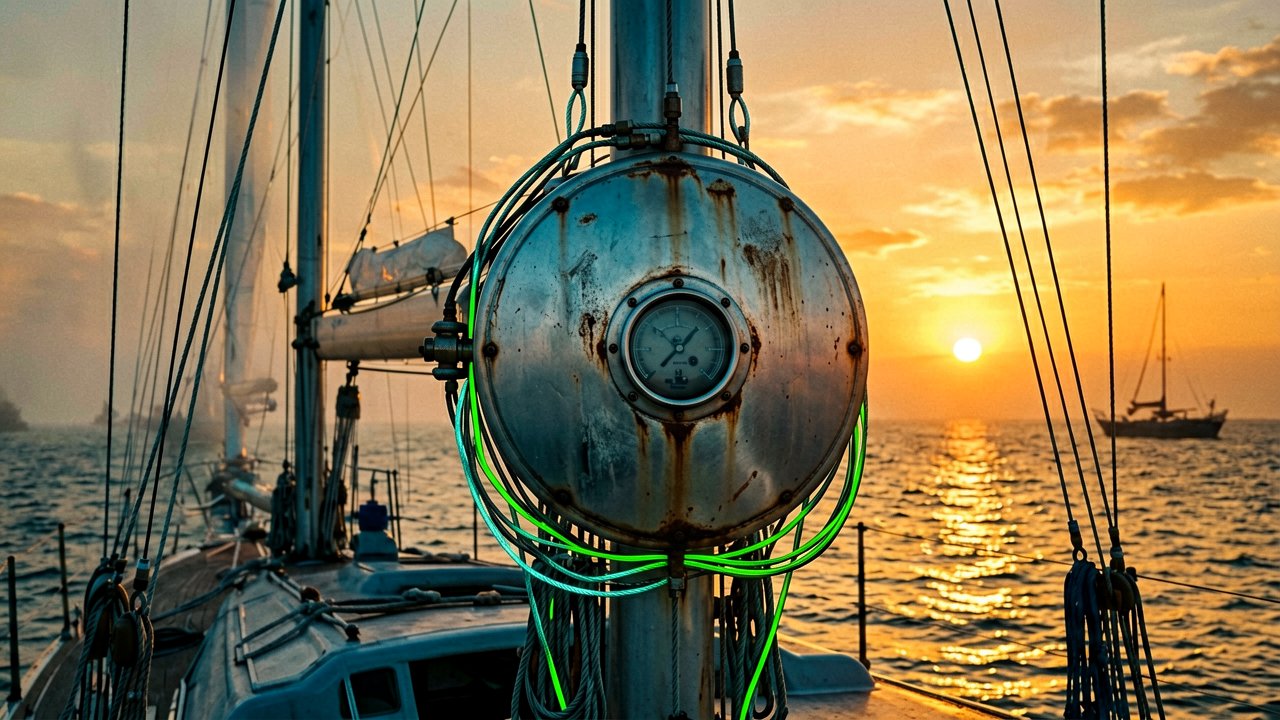
The luxury hospitality sector is undergoing a profound demographic realignment. French hotelier Accor and luxury behemoth LVMH have positioned their newly minted joint venture, Orient Express, directly in the crosshairs of the burgeoning artificial intelligence sector. According to a strategic market update reported by Reuters, the brand is targeting an emerging class of ultra-high-net-worth individuals minted by the global AI boom. This focus manifests in the deployment of the Orient Express Corinthian, a 220-meter sailing mega-yacht crafted to offer a highly exclusive environment for tech-driven capital.
This deployment occurs against a backdrop of shifting consumer dynamics at the apex of global wealth. Data from a recent Bain & Company study highlights that spending on premium experiential luxury is projected to expand by 9% to 11% this year, significantly eclipsing the modest 1% to 4% growth traced by traditional personal luxury goods. As traditional retail matrices face headwinds, the joint venture is banking on experiential status signaling to capture early-stage silicon capital. The asset footprint of Orient Express is valued at roughly €1 billion, reflecting the immense financial stakes riding on this pivot toward high-altitude tech wealth.
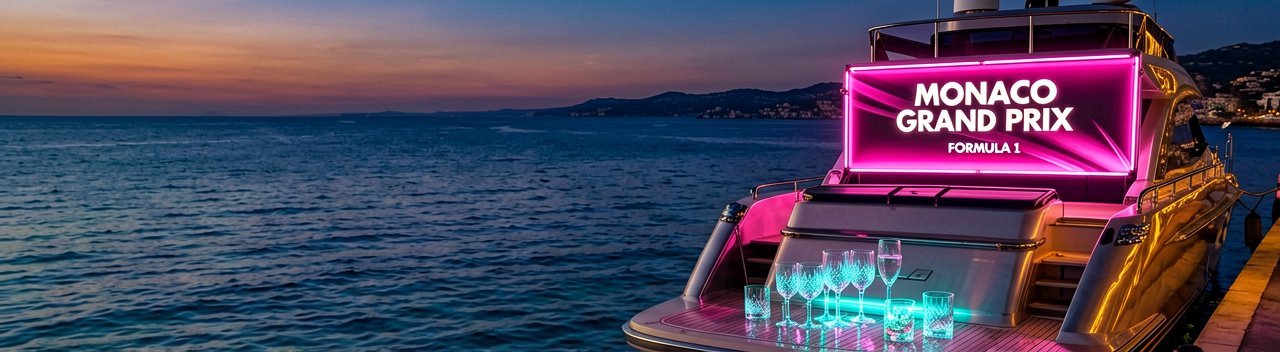
By leveraging high-octane sporting and cultural events as structural backdrops, the enterprise intends to embed itself in the social calendar of the new technological elite. To secure social validation, the vessel will shadow major gatherings like the Cannes Film Festival and the Monaco Formula One Grand Prix, where elite networking hinges on access badges and distinct social markers. This strategy leverages the yacht not merely as a high-end cruise liner, but as a floating micro-network for sovereign wealth creators seeking elite institutional recognition.
The Architecture of Floating Capital
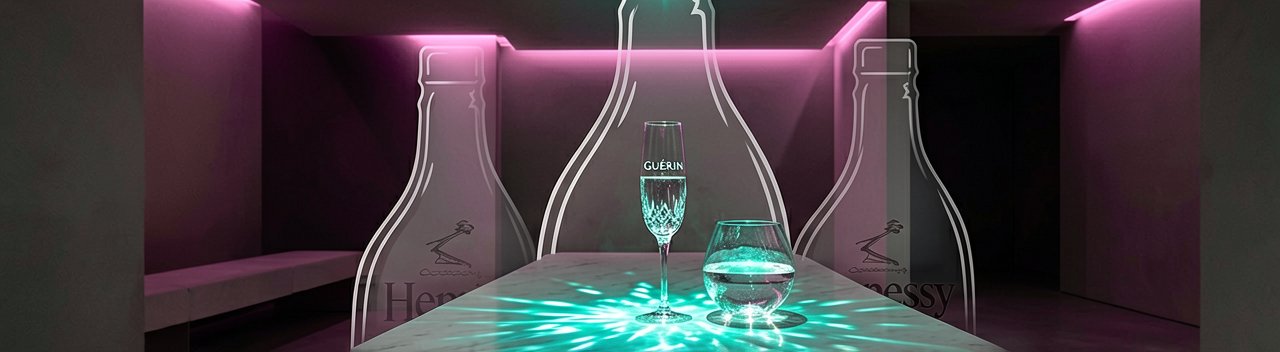
The Orient Express Corinthian functions as a physical showcase for LVMH's broader portfolio, turning the mega-yacht into a multi-brand experiential engine. Stays on the vessel command entry points of approximately €25,000 for a four-day itinerary, establishing a severe economic filter that mirrors the exclusivity of private cloud environments. The interiors feature dedicated Guerlain beauty salons and custom-stocked penthouse suites featuring ultra-premium Hennessy cognacs, as documented by The Independent. This systematic product integration exposes newly liquid tech founders to classic European heritage brands through custom, curated interactions.
Naval Decarbonization Meets Extreme Wealth
The technological architecture of the vessel itself appeals directly to the engineering sensibilities of the modern tech founder. Billed as the world's largest sailing yacht, the hybrid vessel features a state-of-the-art SolidSail rig alongside backup electric propulsion systems, engineered through extensive research from Chantiers de l'Atlantique. This focus on maritime decarbonization provides essential ethical coverage for a cohort highly sensitive to the public optics of carbon-heavy wealth. By synthesizing 19th-century luxury heritage with forward-looking environmental tech, the venture addresses both the aesthetic desires and the corporate responsibility mandates of the modern technology executive.
Corporate Hedging and Luxury Consolidation
The underlying corporate structure reveals distinct strategic motives for both corporate backers. For Accor, the partnership provides a premium, high-margin buffer against flat returns across its traditional mid-market hotel chains like Ibis and Novotel. For LVMH, the venture serves as a scalable laboratory for experiential luxury, fueled by a war chest more than ten times the size of Accor’s annual revenue. Should macro-economic shifts trigger buyout clauses within the joint framework, market analysts expect LVMH to absorb the unit entirely, integrating the experiential fleet into its permanent ecosystem of high-end hospitality assets.
Behind the Architectural Veil: The Engineering of High-Altitude Status
The strategic blueprint behind the Orient Express Corinthian reveals a calculated effort to institutionalize tech wealth within the rigid hierarchies of European high society. Historically, industrial tycoons and real estate barons dominated the Mediterranean luxury yachting circuits, establishing social codes that took generations to master. By designing a turn-key, hyper-exclusive maritime ecosystem, Accor and LVMH are effectively building an on-ramp for newly minted AI billionaires. This cohort, characterized by rapid liquidity events and a preference for functional efficiency over legacy protocols, can bypass the years of procurement and shipyard backlogs traditionally required to commission a custom 200-meter vessel.
From an operational standpoint, the engineering parameters of the vessel are calibrated to appeal specifically to Silicon Valley’s analytical sensibilities. The inclusion of Chantiers de l'Atlantique's SolidSail technology serves a dual purpose. While it provides critical environmental optics for founders hyper-aware of tech-sector carbon footprints, it also reframes the luxury cruise as an advanced engineering triumph. Internal stakeholder discussions indicate that the vessel’s hybrid-propulsion telemetry and automated rigging systems are marketed not just as amenities, but as premium maritime hardware, transforming a leisure asset into a relatable technological marvel for software and infrastructure executives.
Furthermore, the financial architecture of this venture highlights a sophisticated hedge by LVMH against shifting retail habits. As physical boutique foot traffic globally faces macroeconomic headwinds, the luxury conglomerate is leveraging the yacht as a captive retail environment. Passengers paying premium ticket prices are insulated from the public, creating a highly controlled venue where brand integration feels organic rather than commercial. The presence of LVMH-owned assets like Guerlain and Moët Hennessy within the private suites establishes an exclusive testing ground for high-end experiential consumption, away from traditional luxury storefronts.
This structural pivot also signals a profound transformation in how corporate entities view high-net-worth networking. Rather than relying on static brick-and-mortar resorts, Orient Express is deploying a mobile corporate embassy capable of migrating to where global capital clusters. By positioning the ship at strategic global intersections like Cannes and Monaco, the joint venture ensures that its brand remains central to elite cross-border tech financing discussions. The mega-yacht functions as a sovereign networking hub, providing the security, privacy, and infrastructure required for high-stakes venture capital negotiations on the open ocean.
Reading Between the Lines: The Volatility of Silicon Sovereignty
The strategic bet placed by Accor and LVMH assumes that the wealth generated by the artificial intelligence boom will mirror the durable capital configurations of traditional industrial dynasties. This assumption glosses over the inherent volatility of software-driven fortunes, which are frequently tethered to speculative equity valuations and regulatory whim rather than tangible infrastructure. A sudden market correction in technology stocks or aggressive global antitrust intervention could rapidly diminish the liquid capital available to this target demographic, turning an ambitious €1 billion maritime asset into an expensive monument to a cyclical macroeconomic peak.
A striking contradiction sits at the center of this luxury initiative. The vessel is meticulously marketed as a masterclass in decarbonization, using advanced automated sails to project environmental stewardship to a progressive tech elite. Yet, the broader enterprise relies on flying high-net-worth individuals and their support staffs across the globe via private aviation to reach these mobile maritime hubs. The environmental savings realized by a hybrid hull are quickly erased by the carbon-intensive logistics required to maintain a captive, elite audience, exposing a corporate narrative where sustainability serves primarily as an aesthetic preference rather than an operational reality.
Furthermore, the cultural friction between European luxury purveyors and Silicon Valley executives remains a persistent barrier to seamless integration. Legacy luxury brands thrive on scarcity, historical lineage, and rigid codes of exclusivity, whereas the modern tech sector champions open-source collaboration, rapid disruption, and a performative rejection of traditional status symbols. Forcing a class of founders accustomed to casual wear and decentralized protocols into the highly structured, curated ecosystems of heritage brands may produce more cultural alienation than brand loyalty, testing whether old-world prestige can truly be digitized for the algorithm era.
Ultimately, this venture represents a broader, somewhat desperate rush across hospitality sectors to institutionalize the highly elusive "new money" of the 21st century. By transforming a mega-yacht into an exclusive, floating corporate incubator, Orient Express is betting that tech billionaires crave the very traditional, old-world validation they claim to disrupt. Whether this demographic chooses to sustain a legacy brand's maritime ambitions or simply builds their own private, unaligned fleets remains the ultimate gamble for European luxury consolidation.
It appears that even the most revolutionary disruptors of the digital age cannot resist the timeless allure of old European prestige, proving that no matter how advanced your artificial intelligence becomes, nothing signals true optimization quite like drinking ultra-premium cognac on a €1 billion sailboat.
Artūras Malašauskas is an AI Systems Integrator with 20+ years of production-grade web engineering experience. He has designed, shipped, and scaled enterprise Python/PHP systems for logistics, SaaS, and public-sector clients. For the past year, he has focused exclusively on AI integrations: deploying open-source LLMs, building generative media pipelines (image, audio, video), and engineering multi-agent workflows for real production environments. His standard: reproducibility, security, cost-efficient inference—no vaporware. He documents and evaluates emerging AI tooling, separating verified capabilities from marketing noise. Technical editor at: muza-ai.eu, ai-verslas.lt, ai-naujinos.lt Connect on LinkedIn
Comments