iPhone 18 Pro Max Launch Signals Shift in Premium Smartphone Market Dynamics

The upcoming launch of the iPhone 18 Pro Max marks a pivotal transition in Apple’s hardware ecosystem, driven by macroeconomic headwinds and strategic product segmentation. Facing nearly quadrupled memory component costs due to surging AI data center demands, the tech giant is shaking up its traditional commercial playbook. According to analysis reported by Tom's Guide , Apple is expected to balance these soaring production expenses by utilizing aggressive competitive strategies rather than implementing straightforward consumer price hikes on base flagship variants. This operational pivot safeguards Apple’s entry points in the hyper-competitive premium tier while restructuring profitability margins around ecosystem exclusivity.
The defining structural shift of this product cycle is the fragmentation of Apple's iconic release timeline. Industry indicators tracking production pipelines show that Apple will split its hardware rollout into two distinct seasonal blocks for the first time in over a decade. As outlined by , the ultra-premium tier—comprising the iPhone 18 Pro, the iPhone 18 Pro Max, and a highly anticipated first-generation foldable device—will debut in the traditional September window. Conversely, mainstream value variants like the base iPhone 18 and a budget-focused iPhone 18e are being deferred until a secondary release window in the spring. This separation deliberately funnels early-adopter demand exclusively toward higher-margin premium hardware.
Market Value and Pricing Realities
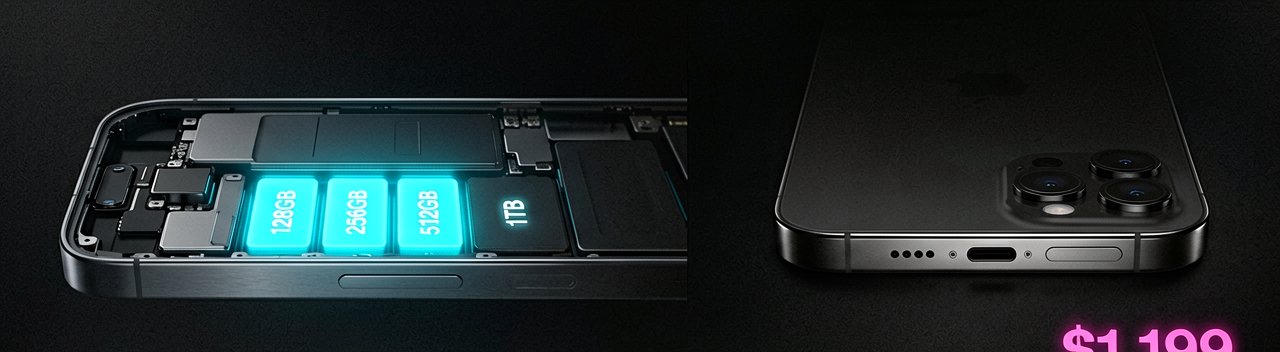
Navigating the delicate equilibrium between consumer expectations and component inflation has split expert consensus regarding final retail numbers. Financial models highlighted by Seeking Alpha suggest that base production pressures could still mandate a $100 to $150 upward adjustment for high-tier variations, effectively testing consumer elasticity in the premium tier. However, matching projections featured by PhoneArena indicate that Apple may aggressively maintain the entry point of the iPhone 18 Pro Max at $1,199 to preserve its market dominance over premium Android rivals. To absorb the underlying semiconductor costs under this flat-pricing scenario, Apple is poised to push steeper premiums onto high-capacity storage tiers, extracting optimal revenue from power users while advertising an uninflated barrier to entry.
Technological Innovation as a Growth Engine
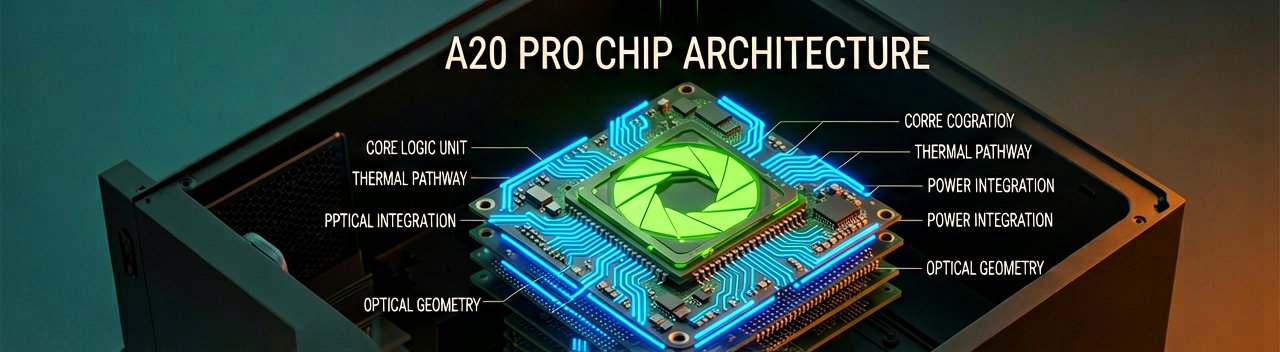
Rather than relying purely on aesthetic refreshes, Apple is heavily leaning into breakthrough semiconductor architecture to justify its hardware hierarchy. The crown jewel of the upcoming hardware refresh is the transition to a next-generation 2-nanometer manufacturing process for the A20 Pro silicon chip. Detailed documentation from MacRumors reveals that the device will also benefit from an upgraded in-house C2 modem chip, enabling advanced 5G over satellite connectivity alongside architectural hardware shrinkages like a smaller Dynamic Island and mechanical variable-aperture lenses. These engineering milestones provide the foundational processing bandwidth needed for complex localized AI workloads, ensuring the device serves as an indispensable anchor for advanced digital services.
Strategic Impact on Competitors
By controlling both hardware timelines and aggressive pricing structures, Apple is systematically squeezing its primary competitors across the global market. Introducing an ultra-premium tier in early fall places immense structural strain on immediate ecosystem rivals. Industry perspectives compiled by TelecomTalk emphasize that a combined flagship and foldable launch window leaves minimal breathing room for late-summer competitor releases. By keeping its absolute top-tier hardware affordable relative to escalating industry costs, Apple effectively nullifies the pricing leverage typically enjoyed by alternative premium ecosystems, redefining consumer expectations of premium smartphone value.
The Hidden Architecture of Apple’s Premium Hegemony
Behind the Scenes of Cupertino's Capital Playbook: The true disruption of the iPhone 18 Pro Max rollout lies not in the refined silicon or advanced optics, but in how Apple is rewriting the rules of industrial supply chain warfare. Historically, the consumer tech sector operated under the assumption that severe component inflation would inevitably be passed directly onto the retail price tag. By electing to swallow parts of the unprecedented memory and fabrication costs internally, Apple is weaponizing its massive cash reserves to execute a classic squeeze play. This strategy deliberately forces smaller rivals into an unsustainable dilemma: either hike their own prices and cede market share to Apple, or match Apple's pricing and watch their operating margins erode into non-existence.
From the perspective of major network carriers and global infrastructure providers, this strategic shift is reshaping long-term retail planning. Telecommunication executives have quietly expressed relief at the prospect of a stabilized entry price for the Pro Max line, as steep price hikes often suppress consumer upgrade cycles and complicate subsidized contract bundling. However, the decision to bifurcate the launch calendar into autumn and spring blocks poses a fresh logistical challenge. Supply chain analysts note that by stretching its manufacturing peaks across two distinct seasons, Apple is effectively flattening its traditional holiday shipping crunch, allowing the company to optimize freight costs and maintain tighter inventory controls throughout the fiscal year.
This dual-release cadence also signals a profound philosophical shift in how the company views the lifecycle of its flagship products. In previous decades, a unified launch created a monolithic cultural moment that lifted all variants simultaneously. By separating the ultra-premium 2-nanometer Pro devices from the mainstream consumer models, Apple is actively dismantling the concept of a single flagship generation. The iPhone 18 Pro Max is no longer just the largest screen option in a uniform lineup; it is the anchor of an elite, early-adopter sub-brand meant to sustain high-margin momentum months before mass-market consumers are invited to upgrade their hardware.
Ultimately, this evolving market dynamic positions the premium smartphone not merely as a communication tool, but as a heavily defended beachhead for advanced ecosystem lock-in. As hardware differences between generations become more incremental, the true battleground has shifted to localized computational capacity and proprietary services. By maintaining an aggressive pricing posture on the hardware entry point while recouping margins through high-capacity storage tiers and premium cloud subscriptions, Apple is successfully shifting its primary revenue engine from transactional hardware sales to lifetime ecosystem monetization. This ensures that even in a maturing global market, the premium tier remains a highly lucrative compounding asset.
The Paradox of Predictable Premiumization
Reading Between the Lines of the Silicon Arms Race: The industry enthusiasm surrounding Apple’s transition to a 2-nanometer architecture ignores a glaring economic contradiction. While tech enthusiasts celebrate the theoretical performance leaps of the A20 Pro chip, the practical utility of this raw computational power has hit a ceiling of diminishing returns for the average consumer. Apple is spending billions to re-engineer internal components to support localized AI processing, yet consumer data continuously demonstrates that the vast majority of smartphone users utilize their devices for tasks that could comfortably run on five-year-old silicon. This creates a bizarre market dynamic where consumers are being nudged to pay a premium for architectural breakthroughs they will likely never fully utilize outside of cloud-delayed photo rendering.
Furthermore, the strategy of keeping the entry-level price point of the iPhone 18 Pro Max flat at $1,199 reveals a subtle sleight of hand in Apple’s financial engineering. While presenting a consumer-friendly facade, this pricing baseline increasingly resembles a digital mirage. By bottlenecking the base configuration's storage capacity or charging exorbitant premiums for the tiers actually required to shoot high-bitrate video and store localized AI models, Apple quietly ensures its average selling price keeps climbing. The flat base price is less an act of corporate benevolence and more a psychological anchor designed to draw buyers into an ecosystem where the true cost of ownership is deferred to monthly iCloud subscriptions and accessory ecosystems.
The bifurcated release schedule also introduces significant risk to Apple's historical brand equity. For over a decade, the singular September keynote functioned as a cultural monolith, creating a unified wave of consumer urgency that sustained carrier retail traffic through the winter holidays. Splitting the lineup risks diluting this concentrated marketing force. If mainstream consumers realize the base iPhone 18 is intentionally delayed to make them feel obsolete before they even buy, the resulting fatigue could inadvertently drive pragmatic upgrade seekers toward Android ecosystems that offer unified, mid-tier value without the artificial scheduling drama.
"We are rapidly approaching an era where buying a premium smartphone is less about acquiring revolutionary technology and more about financing a status symbol that politely reminds you to upgrade your cloud storage every ninety days."
Artūras Malašauskas is an AI Systems Integrator with 20+ years of production-grade web engineering experience. He has designed, shipped, and scaled enterprise Python/PHP systems for logistics, SaaS, and public-sector clients. For the past year, he has focused exclusively on AI integrations: deploying open-source LLMs, building generative media pipelines (image, audio, video), and engineering multi-agent workflows for real production environments. His standard: reproducibility, security, cost-efficient inference—no vaporware. He documents and evaluates emerging AI tooling, separating verified capabilities from marketing noise. Technical editor at: muza-ai.eu, ai-verslas.lt, ai-naujinos.lt Connect on LinkedIn
Comments