Bridging Silicon and Steel: How the LG-NVIDIA Alliance Redefines Physical AI
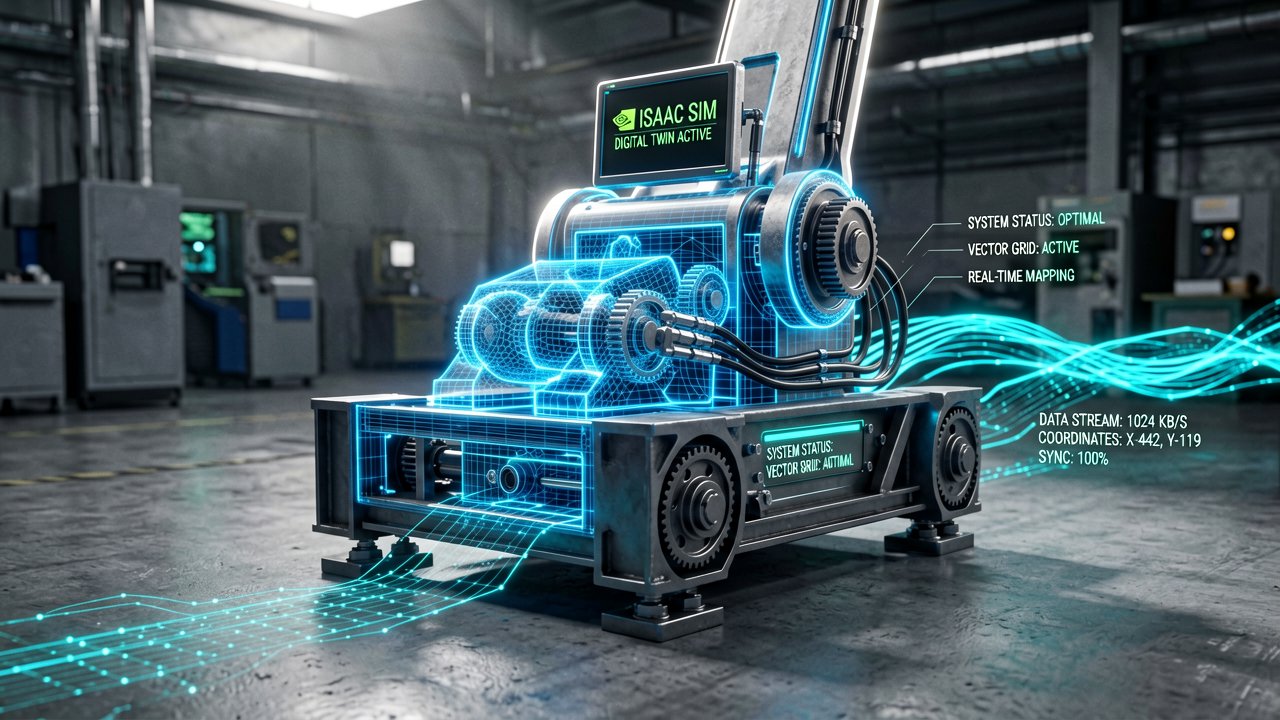
The tech landscape is shifting from digital-only software models toward physical automation, a transition highlighted by the rapid convergence of semiconductor powerhouses and global device manufacturers. In a move accelerating this trend, top executives from LG Group are visiting NVIDIA’s headquarters to finalize execution details for an expansive AI and robotics alliance. This high-profile executive delegation follows a pivotal meeting between LG Group Chairman Koo Kwang-mo and NVIDIA CEO Jensen Huang, establishing a collaborative framework designed to merge advanced neural networks with consumer-grade hardware and industrial systems.
The strategic synergy between the two giants hinges on complementary structural advantages. NVIDIA provides its end-to-end computing stack, simulated training environments, and specialized silicon architecture. LG counters with an immense global footprint, rich manufacturing data assets, and vast operational testing grounds across home appliances, smart spaces, and automotive components. By pooling these resources under its comprehensive "One LG" strategy, the South Korean conglomerate seeks to construct a robust, next-generation ecosystem where artificial intelligence directly interacts with and manipulates the physical world.
The Real-World Testing Ground for Physical AI
While software developers face persistent data scarcity when designing embodied intelligence, LG's diverse product portfolio provides a ready-made pipeline of real-world operational telemetry. The integration of NVIDIA Isaac Sim and Isaac Lab allows LG Electronics to train its home-based CLOi service robots inside highly precise digital twins before physical manufacturing begins. According to technical documentation shared by NVIDIA, the scope of this partnership goes beyond simple product manufacturing to include the deployment of massive, power-efficient AI factories. These advanced infrastructure frameworks utilize NVIDIA accelerated computing to systematically bridge the gap between virtual machine learning and real-world deployment.
Humanoid Integration and Industrial Automation
A primary objective of this joint venture is to accelerate the commercial viability of humanoid robotics in industrial environments. LG is exploring NVIDIA's Isaac GR00T vision-action language model to embed humanlike reasoning capabilities into industrial automation. As reported by The Korea Herald, the two companies are aggressively moving top-level agreements into functional projects, focusing heavily on reference robot platforms and physical deployment at scale. Concurrently, specialized arms like LG CNS are applying these technologies to optimize supply chains and logistics hubs, verifying robot suitability in complex commercial environments alongside industrial partners.
Market Impact and Shifting Industry Dynamics
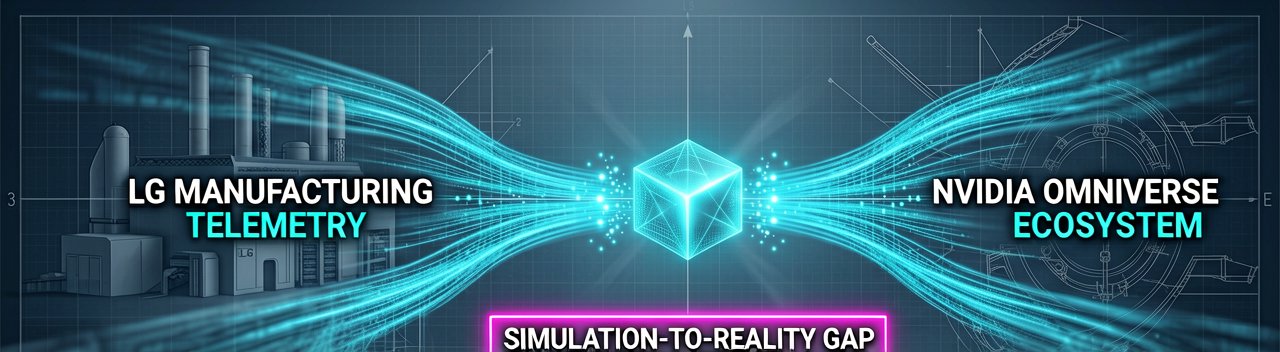
This alliance represents a broader structural realignment across the technology sector. Hardware manufacturers can no longer rely solely on mechanical engineering, and semiconductor designers require immediate real-world touchpoints to scale their edge AI platforms. Industry tracking from The Elec reveals that LG is building out core infrastructure to support this shift, including an AI data center cooling business designed to handle the massive thermal loads generated by next-generation GPU clusters. By securing a foundational role in NVIDIA's emerging physical computing architecture, LG positions its manufacturing, telecommunications, and component divisions to set new baseline standards for the global robotics market.
Behind the Scenes of the Embodied AI Arms Race
Beneath the Corporate PR: The rapid acceleration of the LG-NVIDIA alliance exposes a deeper, structural desperation shared by legacy hardware giants and silicon monopolies alike. For decades, consumer electronics manufacturers operated on predictable product cycles, treating software as an secondary feature rather than the core architecture. Now, as generative AI transitions from digital chatbots to physical entities capable of navigating human spaces, companies like LG find themselves racing to avoid becoming commoditized assembly shops for American software platforms. This executive pilgrimage to Silicon Valley is less about polite networking and more about securing a survival pipeline to the specialized silicon required to run tomorrow's autonomous machines.
From NVIDIA's perspective, the partnership solves a critical vulnerability in its long-term growth strategy: the lack of physical data. While web-scraping provided the text and image inputs necessary to train large language models, training a robot to safely navigate a crowded living room or handle fragile components in a factory requires multi-modal, real-world physical telemetry. By embedding its software stack directly into LG’s global network of factories and millions of connected home appliances, NVIDIA transforms a massive consumer footprint into a proprietary data-gathering engine. This feedback loop is precisely what is needed to refine its foundational robot models, effectively turning LG’s customer base into a distributed training ground for next-generation automation.
This shifting dynamic introduces complex internal friction within the South Korean conglomerate itself. Transitioning from traditional automated systems to fully autonomous, AI-driven robotics requires a massive overhaul of existing factory floor designs and software infrastructure. Internal engineering teams must shift away from proprietary, legacy operating software and instead integrate deeply with NVIDIA's proprietary Omniverse ecosystem. While this shift grants LG immediate access to cutting-edge AI simulation models, it simultaneously creates a long-term engineering dependency on a single chipmaker, a strategic vulnerability that senior leadership is carefully trying to balance through parallel, domestic software initiatives.
The geopolitical dimension further complicates this corporate marriage. As international trade regulations tighten around semiconductor supply chains and artificial intelligence intellectual property, LG's position as a global supplier with deep manufacturing roots in Asia, Europe, and North America makes it an invaluable proxy for NVIDIA's industrial ambitions. By anchoring its physical AI architecture within a South Korean partner, the chip maker creates a highly resilient supply chain buffer that can navigate shifting regulatory landscapes. Ultimately, this collaboration serves as an early blueprint for the next decade of technology integration, where survival requires a seamless, permanent link between virtual neural networks and physical machinery.
Reading Between the Lines of the Silicon-Hardware Alliance
The Friction Behind the Promise: While market analysts celebrate this partnership as a harmonious convergence of computing power and industrial scale, the operational realities paint a far more complicated picture. The core contradiction lies in the fundamental business models of the two entities. NVIDIA operates on the astronomical margins of a software and silicon monopoly, aiming to establish its Omniverse and Isaac platforms as the non-negotiable operating systems of the physical world. Conversely, LG operates in the notoriously low-margin universe of consumer hardware and industrial manufacturing, where unexpected capital expenditures can instantly erase profitability. Forcing these two starkly different financial realities into a shared development framework is bound to create tension over intellectual property ownership and data monetization rights.
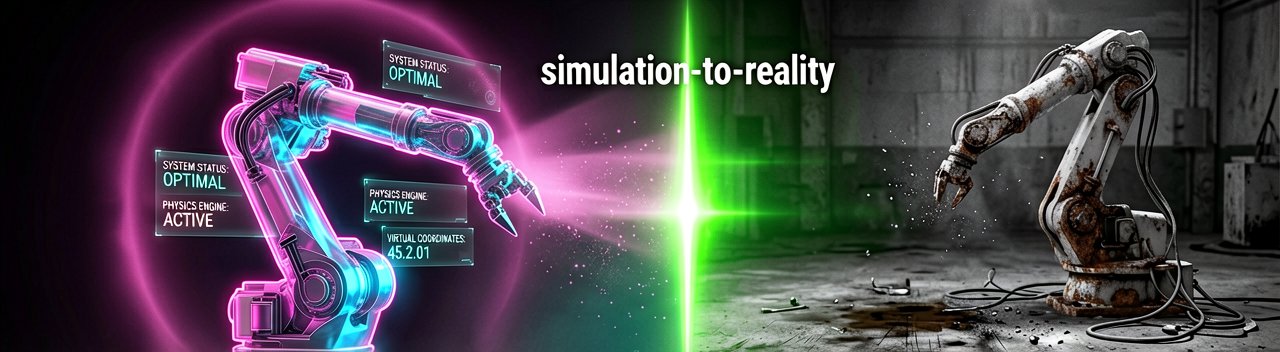
Furthermore, the assumption that virtual simulation seamlessly translates to real-world execution remains an unproven leap of faith. NVIDIA heavily promotes its digital twin technology as the ultimate training ground for physical AI, claiming that millions of hours in simulated environments can bypass traditional engineering hurdles. However, factory floors and residential living rooms are chaotic, unpredictable environments defined by friction, wear, and random human behavior that no current algorithm can perfectly replicate. LG's engineers are tasked with bridging this "simulation-to-reality" gap, a grueling technical challenge that history suggests cannot be solved simply by throwing more compute power at the problem.
Projecting the long-term implications of this alliance reveals a distinct risk of strategic asymmetry. By anchoring its future product roadmap so firmly to NVIDIA's stack, LG risks losing its architectural autonomy, effectively turning its premium hardware lines into sophisticated housings for another company's intelligence. Should a competitor develop a more efficient, open-source robotics framework, or if the current AI infrastructure bubble faces a sharp market correction, LG could find itself locked into an expensive, proprietary ecosystem with limited room to pivot. The ultimate success of this venture depends entirely on whether LG can leverage NVIDIA's tools to build its own independent intelligence, rather than merely becoming a high-end distributor for Silicon Valley's computing ambitions.
"In the race to build the future of physical AI, the tech industry has decided that the ultimate synergy is marrying a company that commands profit margins higher than Mt. Everest with a company that counts pennies on washing machines—proving that while opposites may attract, the bill at the end of the honeymoon is going to be fascinating to split."
Artūras Malašauskas is an AI Systems Integrator with 20+ years of production-grade web engineering experience. He has designed, shipped, and scaled enterprise Python/PHP systems for logistics, SaaS, and public-sector clients. For the past year, he has focused exclusively on AI integrations: deploying open-source LLMs, building generative media pipelines (image, audio, video), and engineering multi-agent workflows for real production environments. His standard: reproducibility, security, cost-efficient inference—no vaporware. He documents and evaluates emerging AI tooling, separating verified capabilities from marketing noise. Technical editor at: muza-ai.eu, ai-verslas.lt, ai-naujinos.lt Connect on LinkedIn
Comments