Ontario Chains $900K to Brock University’s Upcoming AI and Robotics Playground
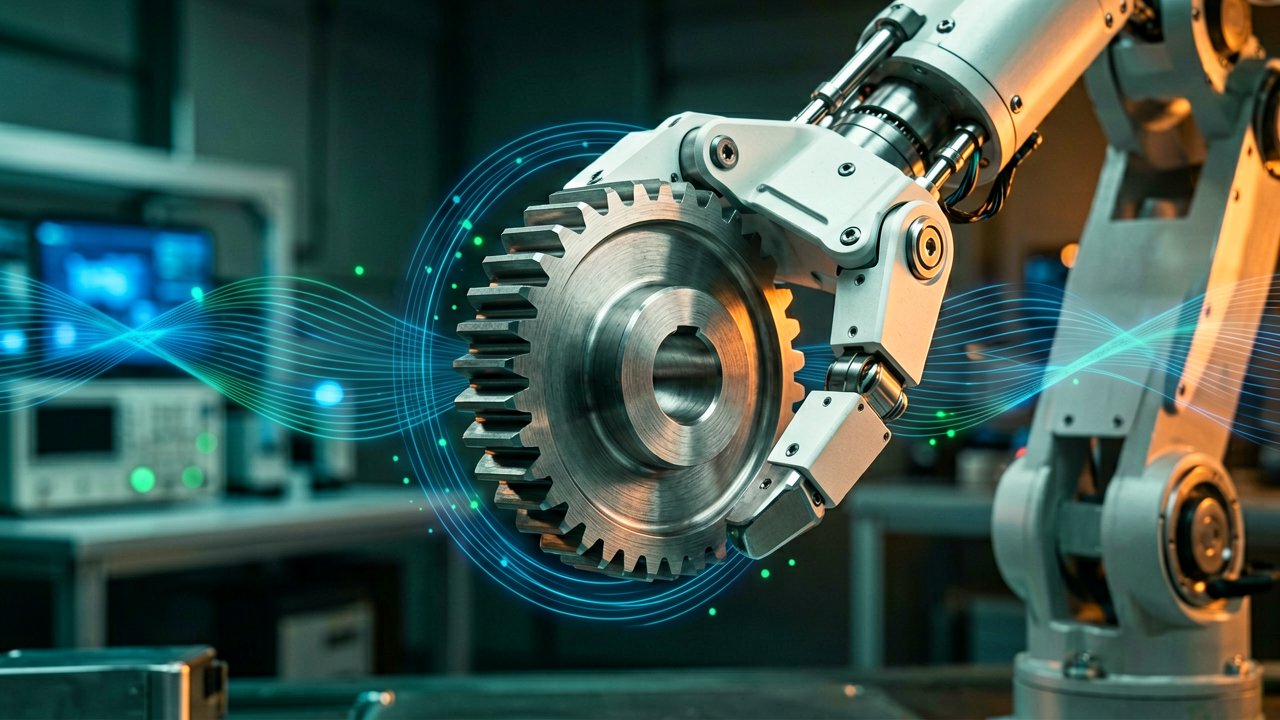
Ontario's regional tech ecosystem just got a significant shot in the arm. The provincial government is injecting over $900,000 into Brock University to build out its brand-new Engineering and Computer Science Artificial Intelligence, Robotics and Mechatronics Lab. Announced in mid-June 2026, the cash infusion comes courtesy of the province’s Training Equipment and Renewal Fund, a provincial program explicitly built to keep university training facilities aligned with actual industry standards. It's a calculated move to ensure that grads aren't just reading about automation from outdated textbooks, but are actively programming the machinery driving the modern workforce.
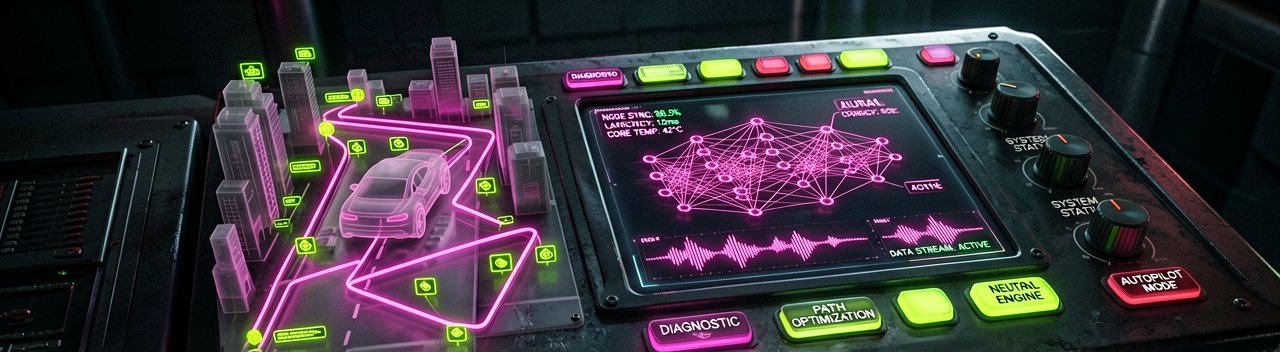
Instead of abstract software simulations, the funding is being spent on heavy-duty, highly tangible hardware. Students stepping into the lab this fall will find themselves working on autonomous self-driving cars, humanoid robots, quadrupeds—often affectionately called "robot dogs"—industrial mechanical arms, and advanced mechatronics stations. According to coverage by the Niagara-on-the-Lake Local, the ultimate goal is to let students design, train, and stress-test these complex systems in physical, real-world environments. It turns academic theories regarding industrial programming into a hands-on sandbox.
Bridging the Gap Between Code and Steel
This massive physical upgrade hits right at a critical juncture for academic tech programs. For years, computer science departments could get away with relying purely on screen-based code. However, as local manufacturing, logistics, and infrastructure rapidly integrate machine learning, the division between software and physical hardware has effectively vanished. By anchoring AI studies directly to physical robotics, the university's Department of Computer Science is positioning its graduates to step straight into high-paying automation roles across the province without needing an extensive workplace retraining period.
What Most Reports Miss: This funding injection represents far more than just another localized campus upgrade; it is a calculated response to a widening gap in the province’s technical workforce. For years, regional tech hubs have watched talent drain toward massive metropolitan software firms, leaving local advanced manufacturing and agricultural tech sectors hungry for specialists who understand both physical gears and deep learning. By anchoring this high-tier automation playground in the Niagara region, the province is attempting to reverse that drain, establishing a decentralized talent pool capable of supporting regional automation infrastructure without requiring students to flee to Toronto or Ottawa.
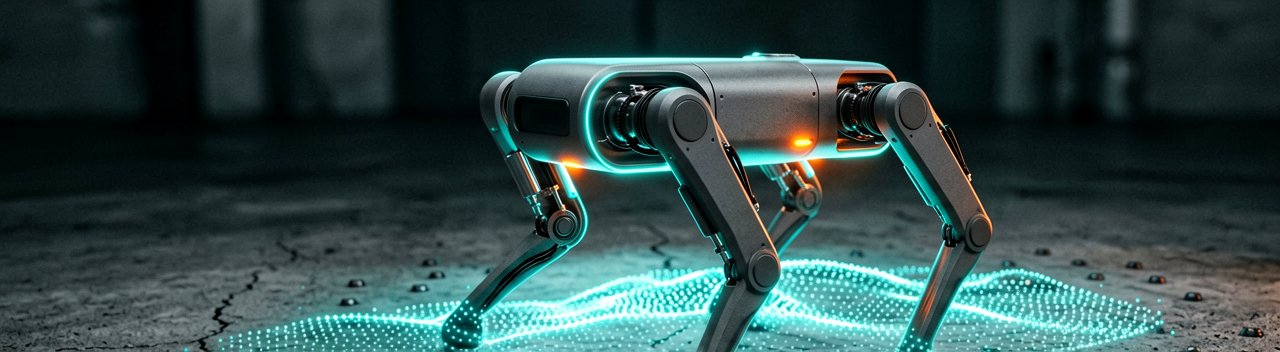
The addition of sophisticated autonomous vehicles and quadrupeds introduces a necessary layer of physical chaos to traditional computer science education. In standard coding curricula, software operates inside optimized, simulated environments where variables are strictly controlled. When artificial intelligence is forced to interact with the unpredictable real world—where sensors fail due to poor lighting, mechanical arms lose precision from wear, and robot dogs must navigate uneven flooring—students quickly learn that theory rarely survives contact with reality. This friction is exactly what the new facility targets, forcing future engineers to solve the messy hardware failures that define industrial operations.
The Realities of the Modern Factory Floor
Industry insiders have quietly noted that traditional engineering degrees often leave graduates underprepared for the hybrid nature of modern automation. Historically, mechanical engineering, electrical engineering, and computer science existed in separate academic silos, but today's smart factories demand cross-disciplinary expertise. A robotic arm on a modern logistics floor is not just a collection of motors; it is a machine learning edge device that actively predicts its own maintenance needs and optimizes its routing on the fly. The new mechatronics stations at Brock are explicitly designed to break down these historic academic walls, forcing software developers to think like mechanical engineers and vice versa.
From a provincial policy perspective, the timing of this grant aligns perfectly with broader economic security initiatives aimed at strengthening domestic supply chains and manufacturing capabilities. Automation is no longer viewed simply as a tool for cutting operational costs, but rather as a vital strategy for maintaining industrial resilience against global logistics disruptions. Ensuring that local universities possess industry-standard machinery means that nearby manufacturing operations can confidently invest in high-tech upgrades, knowing there is a steady pipeline of local experts available to program, maintain, and innovate on those systems.
Ultimately, the true measure of success for this $900,000 lab will not be found in the novelty of its humanoid robots, but in the long-term retention of its graduates within the regional economy. As academic institutions across the country struggle to keep pace with the blistering speed of commercial AI development, public-private alignment through programs like the Training Equipment and Renewal Fund becomes vital. By providing immediate access to the same equipment currently deployed by global logistics and automation giants, Brock University is positioning its students to dictate the future of automated industry rather than merely playing catch-up.
Reading Between the Lines: While a $900,000 cash injection sounds impressive on a press release, it highlights a stark contradiction in how public institutions fund tech education. Advanced robotics and AI hardware are notoriously capital-intensive and depreciate at a dizzying pace. The moment a cutting-edge quadruped or industrial mechanical arm is unboxed, its commercial relevance is already on a ticking clock. A single grant provides an excellent initial photo opportunity, but it rarely accounts for the compounding, long-term costs of software licensing, proprietary component repairs, and the inevitable hardware obsolescence that will occur within a few short years.
There is also a persistent academic assumption that simply surrounding students with expensive machinery automatically translates into industry readiness. The real bottleneck in automation education is rarely just the lack of hardware; it is the scarcity of qualified faculty who can teach its practical applications. Experts capable of programming autonomous vehicles and training humanoid robots command massive premiums in the private sector. Universities routinely struggle to recruit and retain this specialized teaching talent on rigid academic salaries, raising valid skepticism about whether these shiny new lab spaces will be fully integrated into a rigorous curriculum or occasionally sit idle as high-end marketing tools for student recruitment.
The Automation Autonomy Paradox
Furthermore, provincial enthusiasm for fueling local automation ignores a looming economic paradox regarding regional employment. The stated goal of these investments is to prepare graduates for high-paying local jobs and to keep talent within the Niagara ecosystem. However, the explicit purpose of deploying advanced robotics and machine learning in logistics and manufacturing is to drastically reduce human headcount on the factory floor. By heavily subsidizing the rapid rollout of automation technology, the province may inadvertently be accelerating the elimination of the very mid-tier manufacturing roles that historically sustained regional economies, trading hundreds of stable blue-collar jobs for a handful of elite engineering positions.
Ultimately, this labs-and-robots approach to tech policy treats a systemic structural issue as a simple equipment deficit. True technological self-reliance requires sustainable, recurring operational funding and deeply entrenched ties with local industry partners who can co-develop curricula in real time. Without an ongoing mechanism to refresh this equipment and upskill faculty, one-off capital injections act merely as temporary band-aids on a rapidly moving target. For Brock University to truly shift the regional tech landscape, it will need to leverage this hardware to secure aggressive, long-term corporate sponsorships rather than relying solely on the erratic cycles of provincial election-year grants.
"We pour millions into teaching machines how to mimic human thought and movement on the campus floor, yet the ultimate irony of modern robotics remains unaddressed: we are spending vast fortunes to build a robot dog that can perfectly navigate a debris-filled factory room, yet we still haven't figured out a budget-friendly way to prevent it from getting hopelessly confused by a simple glass door or a rogue stray zip-tie."
Artūras Malašauskas is an AI Systems Integrator with 20+ years of production-grade web engineering experience. He has designed, shipped, and scaled enterprise Python/PHP systems for logistics, SaaS, and public-sector clients. For the past year, he has focused exclusively on AI integrations: deploying open-source LLMs, building generative media pipelines (image, audio, video), and engineering multi-agent workflows for real production environments. His standard: reproducibility, security, cost-efficient inference—no vaporware. He documents and evaluates emerging AI tooling, separating verified capabilities from marketing noise. Technical editor at: muza-ai.eu, ai-verslas.lt, ai-naujinos.lt Connect on LinkedIn
Comments