Dreame Ups the Smart Home Ante in India With Massive 30,000Pa Suction Vacuums
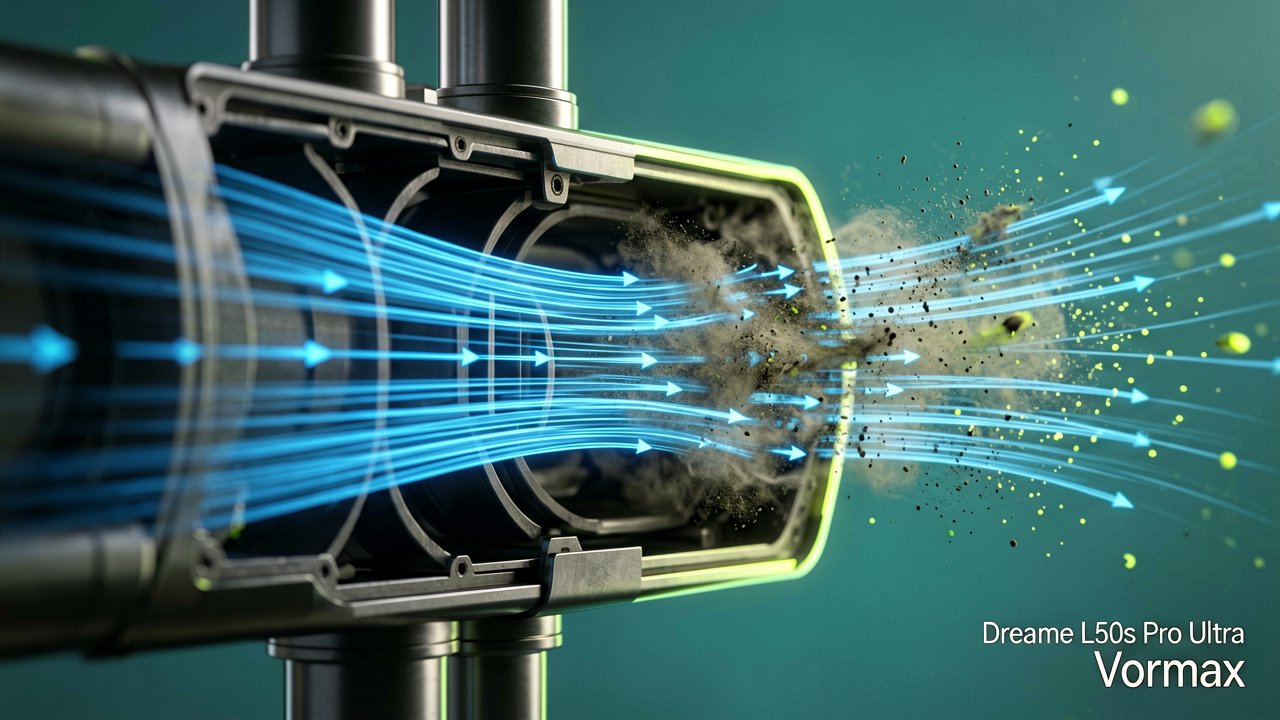
Dreame Technology has officially expanded its premium smart home portfolio in India with the launch of two new high-performance robotic vacuum cleaners, the Dreame L50s Pro Ultra and the Dreame L50 Ultra CE. Announced on June 16, 2026, these machines are aimed squarely at affluent households seeking a truly hands-free floor care experience. The company isn't pulling any punches here, arming its flagship model with an industry-topping 30,000Pa suction rating that comfortably outmuscles most traditional alternatives on the market today.
The introduction of the L50 series highlights a growing consumer appetite for all-in-one domestic automation across urban India. According to details shared by Times of India, both models utilize Dreame’s proprietary Vormax suction technology to pull stubborn dirt out of deep-pile carpets and floor crevices. Beyond raw power, the real appeal lies in their multi-functional base stations, which automate the messy realities of maintenance by handling dust collection, water refills, and hot-water mop washing without human intervention.
Brute Force Meets High-Temperature Hygiene
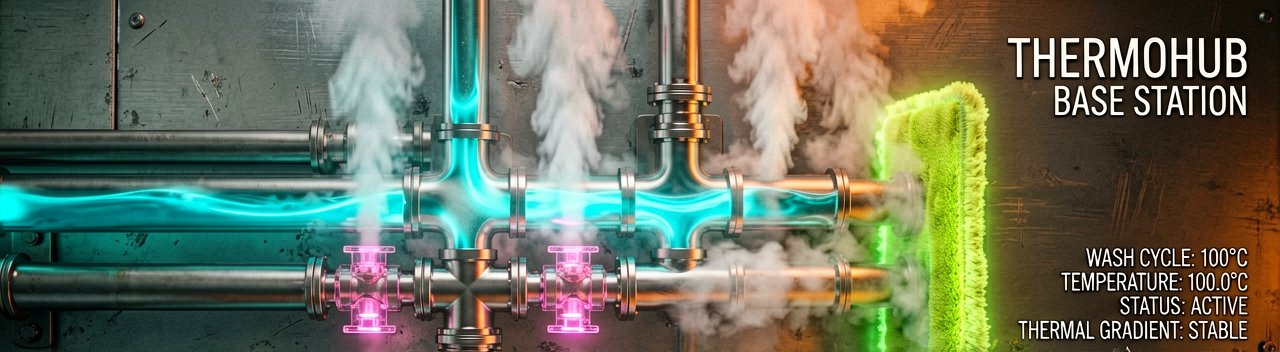
The top-tier Dreame L50s Pro Ultra features a 5,200mAh battery and a specialized ThermoHub system capable of washing its mopping pads with 100°C hot water. This addition is particularly useful for breaking down greasy residue typical in Indian kitchens, followed by a hot-air drying cycle to eliminate mold and odors. It also features a specialized obstacle-crossing mechanism designed to clear thresholds up to 40mm high, meaning it won’t get marooned moving between rooms with uneven flooring.
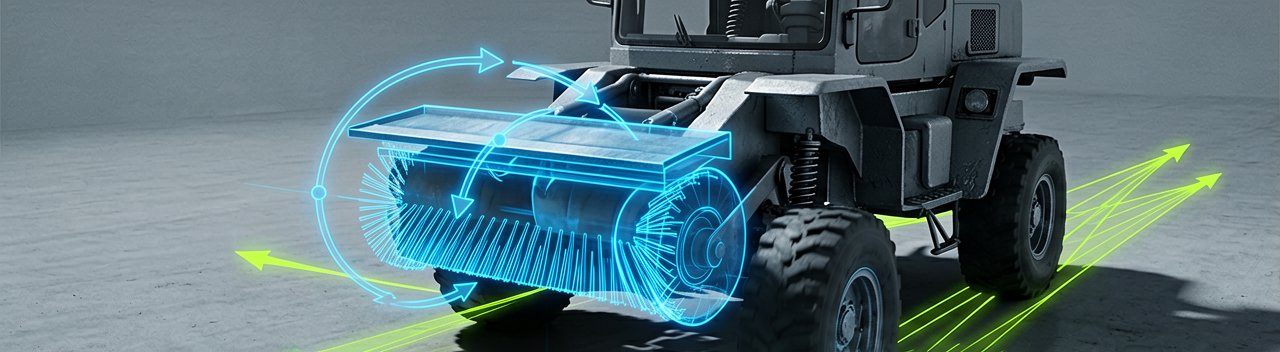
Its sibling, the L50 Ultra CE, scales things back slightly but remains a heavy hitter in its own right with a 25,000Pa suction system. As noted in the launch coverage by Gadgets 360, its companion station washes mopping components at 80°C and uses an extendable side brush system paired with localized edge-swing technology to clean tight corners and baseboards that conventional circular robots usually miss.
Pricing, Availability, and Market Ambitions
As reported by Moneycontrol, the Dreame L50s Pro Ultra enters the market at Rs 79,999, while the slightly leaner L50 Ultra CE is positioned at Rs 64,999. Both variants went on sale the day of the announcement and are available through Amazon India, the brand's official regional website, Croma, and brick-and-mortar retail outlets.
Dreame entered the Indian market in early 2023 and has aggressively climbed the ranks to claim the second position in the country's robot vacuum market. This double-pronged premium release underscores a strategic push to capture market share from established premium rivals by offering superior computational mapping alongside unmatched raw physical performance.
Behind the Engineering Claims: The race for astronomical Pascal (Pa) ratings has officially reached a tipping point in the smart home industry, but Dreame’s leap to 30,000Pa represents more than just a marketing milestone. In typical household scenarios, standard robotic vacuums operate between 4,000Pa and 8,000Pa, which is perfectly adequate for hardwood floors but struggles with fine dust embedded deep within heavy carpets. By nearly quadrupling that standard, engineers had to completely redesign the internal airflow architecture and battery management systems. The sheer force required to sustain this level of suction without melting the internal components or draining the battery in ten minutes requires a sophisticated variable-power algorithm that only ramps up to maximum capacity when a heavy-duty mess or deep carpet is detected.
Industry insiders note that this aggressive hardware push is specifically tailored to the unique challenges of the Indian domestic environment. Unlike Western markets, where wall-to-wall carpeting is common, Indian homes predominantly feature hard flooring like marble, granite, or vitrified tiles, which are prone to fine, sticky dust and heavy seasonal pollen. Furthermore, the oily residue left behind by traditional Indian cooking demands aggressive mopping rather than simple vacuuming. By integrating a 100°C hot-water wash cycle into the L50s Pro Ultra, Dreame is addressing a specific pain point that previous generations of robot vacuums ignored: the fact that cold water simply smears grease around instead of lifting it from the floor.
The Real-World Cost of Total Automation
While the promise of a completely hands-free cleaning cycle is alluring, the operational reality of these ultra-premium machines introduces new maintenance habits for consumers. The massive self-emptying base stations require a significant footprint in modern apartments, often demanding dedicated placement near electrical outlets and drainage areas if users opt for direct water hookups. Moreover, operating at high temperatures to sanitize mops and dry them with hot air increases the overall energy draw of the appliance. It creates a paradigm shift where home maintenance changes from daily physical labor to weekly digital management and reservoir upkeep.
From a market perspective, Dreame’s rapid ascent to the number two spot in India’s robotic cleaning segment reveals a massive shift in consumer spending habits. Historically, premium home appliances were viewed as luxury novelties, but a rising urban middle class with higher disposable income has redefined these devices as essential time-saving utilities. By positioning these units in the Rs 64,999 to Rs 79,999 price bracket, Dreame is directly challenging the dominance of legacy players who have slow-rolled major hardware updates. The strategy signals that the brand is confident that tech-savvy buyers are willing to pay a premium for tangible hardware upgrades over iterative software patches.
Reading Between the Lines: The smart home industry loves a numbers game, and a 30,000Pa suction rating certainly looks spectacular on a promotional billboard. However, an objective look at fluid dynamics suggests that we may be reaching the point of diminishing returns in robotic vacuum engineering. When a robot seals against a flat surface, excessive suction can actually create an unwanted vacuum-lock effect, pinning the machine to the floor or prematurely wearing out the motor rather than improving debris pickup. The engineering challenge is no longer about generating raw power, but managing the delicate aerodynamics required to prevent a 30,000Pa vacuum from turning into an expensive, stationary paperweight on living room rugs.
There is also a fascinating contradiction in the industry’s push toward complete autonomy via high-temperature maintenance. Dreame proudly touts 100°C water washing and hot-air drying as the ultimate hands-off solutions for hygiene, yet these features essentially shift the labor from floor cleaning to station cleaning. The reality of a self-emptying, self-washing dock is that it eventually becomes a concentrated repository for hot, damp muck. Users who buy these machines to escape household chores inevitably find themselves cleaning complex plastic trays, unclogging base station drains, and descaling heating elements to prevent the very odors the machine is designed to avoid.
The Sustainability Calculus of Luxury Tech
From an environmental and economic standpoint, the integration of heavy-duty heating elements and ultra-high-velocity motors introduces a different kind of household tax. Operating a mini-boiler to heat water to boiling temperatures several times a week noticeably increases the standby and operational energy draw of a smart home setup. As these devices evolve from simple, low-voltage disc vacuums into complex, power-hungry appliances, the long-term reliability of intricate internal plumbing and high-pressure seals remains an open question for premium buyers who expect a premium lifecycle.
Ultimately, Dreame’s aggressive product rollout in India is a calculated bet on a consumer base that prioritizes immediate convenience over long-term repairability. By packing an unprecedented array of mechanical arms, extendable brushes, and dual-heating loops into a single chassis, the brand has created a marvel of modern consumer tech. Yet, the true test of this 30,000Pa milestone won't be measured in laboratory suction tests, but in how gracefully these highly complex machines handle the unglamorous, real-world grit of domestic life after a few thousand kilometers on the clock.
We have successfully engineered robots capable of generating enough suction to lift a bowling ball and boiling their own water to sanitize their mops. It is a spectacular triumph of modern automation, ensuring that the human race can finally achieve the ultimate utopian dream: spending an entire weekend trying to figure out which specific internal valve is throwing an obscure digital error code.
Artūras Malašauskas is an AI Systems Integrator with 20+ years of production-grade web engineering experience. He has designed, shipped, and scaled enterprise Python/PHP systems for logistics, SaaS, and public-sector clients. For the past year, he has focused exclusively on AI integrations: deploying open-source LLMs, building generative media pipelines (image, audio, video), and engineering multi-agent workflows for real production environments. His standard: reproducibility, security, cost-efficient inference—no vaporware. He documents and evaluates emerging AI tooling, separating verified capabilities from marketing noise. Technical editor at: muza-ai.eu, ai-verslas.lt, ai-naujinos.lt Connect on LinkedIn
Comments