Apple’s Shrinking Screen Cutout and Growing Price Tag: The iPhone 18 Pro Conundrum
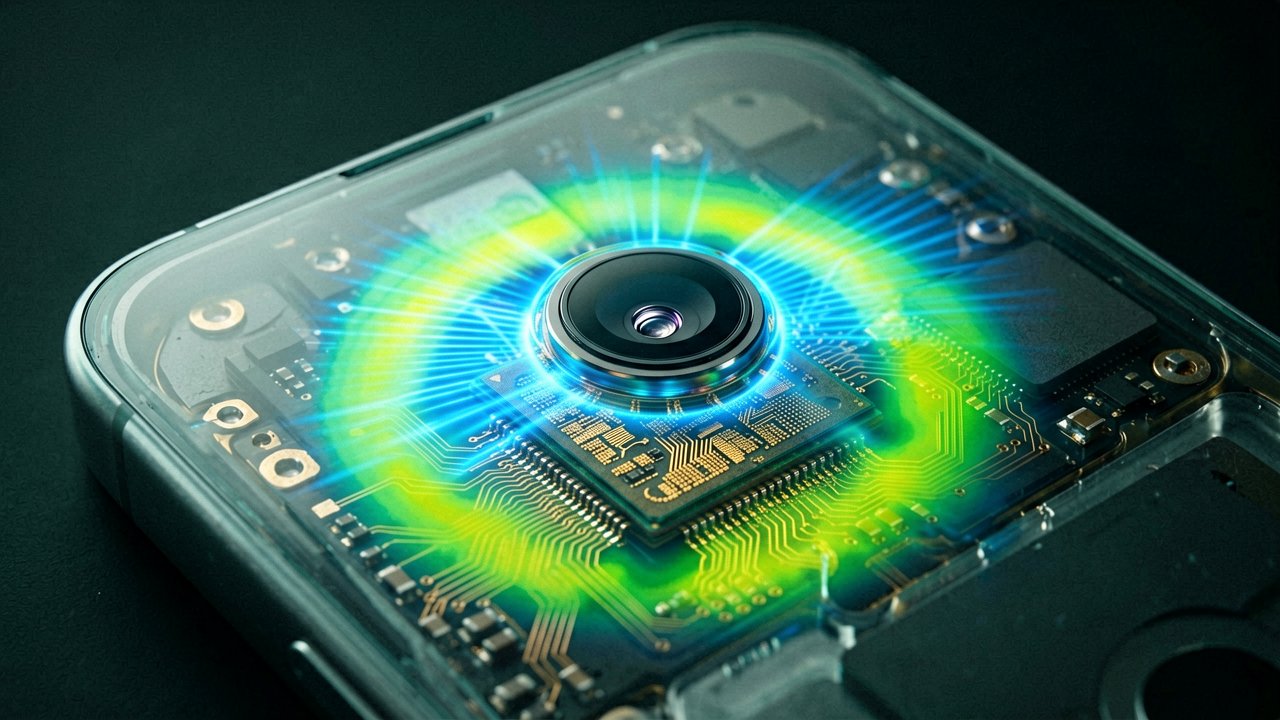
The tech landscape moves fast, but the Apple rumor mill moves faster. Freshly leaked details and supply chain factory schematics indicate that Apple’s upcoming premium hardware refresh—slated for its traditional September rollout—is heading toward a massive internal and external shake-up. Reliable insiders and industry analysts note that the tech giant plans to significantly reduce the size of the pill-shaped screen cutout on the next flagship. This aesthetic streamlining isn't just for show; it marks a major engineering pivot as part of the TrueDepth array gets tucked beneath the glass. However, early financial forecasts indicate that this influx of high-end components might force the manufacturer to pass the bill down to the consumer.
According to comprehensive reporting by The Independent, display industry analysts have pinpointed a 25% to 35% size reduction in the front cutout, a visual design upgrade that could shrink the footprint to roughly 14.98 mm. This modification relies heavily on shifting the Face ID flood illuminator beneath the display layer, leaving only the primary front-facing camera and essential proximity sensors exposed. While this frees up a healthy chunk of digital real estate, it introduces unprecedented manufacturing complexities that will likely disrupt the stable pricing structures consumers have grown accustomed to over the last few product cycles.
Advanced Optics and the Looming Price Hike
The engineering ambitions don't stop at the display boundary. Supply chain trackers highlighted by NotebookCheck reveal that the device will also mark the debut of Apple’s first-ever physical variable aperture main camera system. This mechanical lens adjustment grants mobile photographers authentic, hardware-level control over depth of field and ambient light intake, steering clear of pure software emulation. Combined with a next-generation 2-nanometer processor and surging global RAM costs, financial analysts predict the base model could spike dramatically to a starting price of $1,399. Facing fierce competition from aggressive foldable designs and highly optimized silicon from rival ecosystems, Apple seems to be gambling on ultra-premium hardware capabilities to justify its most expensive standard Pro device to date.
Behind the Scenes: The impending shift in Apple’s flagship economics is not merely an engineering milestone; it is a calculated response to a bruising geopolitical and industrial bottleneck. While consumers fixate on a more elegant, trimmed-down screen cutout, the reality keeping supply chain executives awake at night is an unprecedented crunch in the global semiconductor market. Recent analysis published by MacRumors reveals that soaring memory chip costs are severely denting standard manufacturing margins. Artificial intelligence data centers are aggressively locking down enterprise-scale DRAM and NAND flash storage supply, leaving consumer tech giants to duke it out over what remains of the silicon pie.
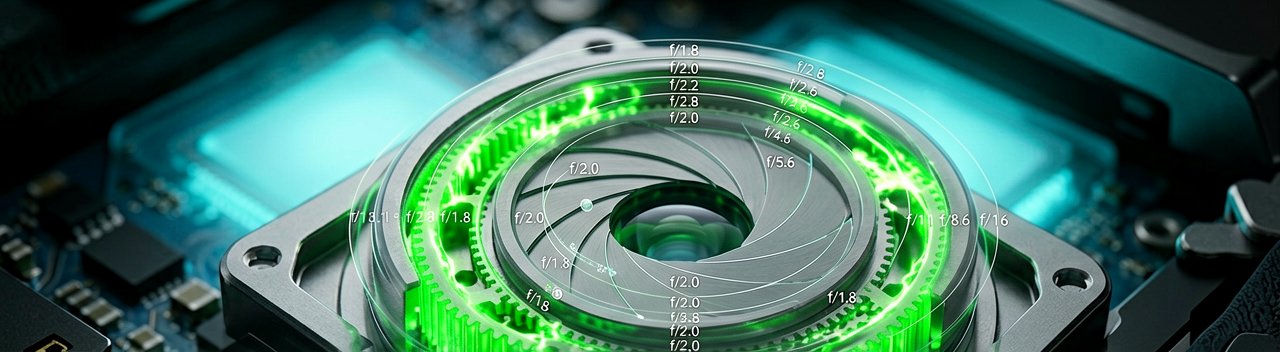
Compounding this silicon squeeze is Apple's stubborn insistence on pushing the envelope with TSMC’s bleeding-edge 2-nanometer node for the upcoming A20 Pro processor. Transitioning to a completely new fabrication architecture yields magnificent gains in thermal efficiency and AI processing speeds, but it comes with an eye-watering premium. Industry intelligence suggests that manufacturing these next-generation wafers costs roughly 50% more than the older 3-nanometer variants. For a company that fiercely guards its profitability, absorbing these compounding price hikes indefinitely has officially evolved from a minor inconvenience into an unsustainable business model.
The Real Price of Visual and Optical Minimalism
Furthermore, moving parts are historically the archenemy of streamlined smartphone manufacturing. Integrating a physical, mechanical iris into the 48-megapixel main camera sensor to enable variable aperture control adds a layer of structural complexity that Apple has spent nearly a decade avoiding. This mechanical lens system, according to supply chain trackers cited by PhoneArena, is projected to cost up to 50% more than the fixed-aperture lenses found on current-generation devices. When combined with the complex laser-drilling and alignment processes needed to submerge the Face ID flood illuminator beneath active display pixels, the total bill of materials starts looking unrecognizable.
This premium component stack creates an fascinating strategic dilemma for the tech giant's autumn release cadence. Observers indicate that Apple plans to implement a split launch cycle, prioritizing these ultra-premium flagships for a late-2026 debut while delaying the standard, more affordable base models until the following spring. By positioning the heavily upgraded hardware as the only fresh choice for the lucrative holiday season, the company can funnel upgrade-hungry consumers directly toward its highest-margin devices, effectively conditioning the market to accept a loftier baseline for premium mobile technology.
Reading Between the Lines: The tech industry's collective obsession with the shrinking Dynamic Island reveals a fascinating contradiction in how we evaluate smartphone innovation. For years, the notch and its pill-shaped successor were treated as compromises—temporary architectural scar tissue on the path to an unblemished, all-screen future. Yet, Apple spent vast engineering capital transforming that very compromise into a signature branding element, complete with specialized UI animations that integrated it deeply into the iOS experience. Reducing its size now, while technically impressive, essentially unravels a core visual differentiator just as consumers have fully adapted to it, forcing us to pay a premium for the privilege of seeing less of Apple's most distinct software playground.
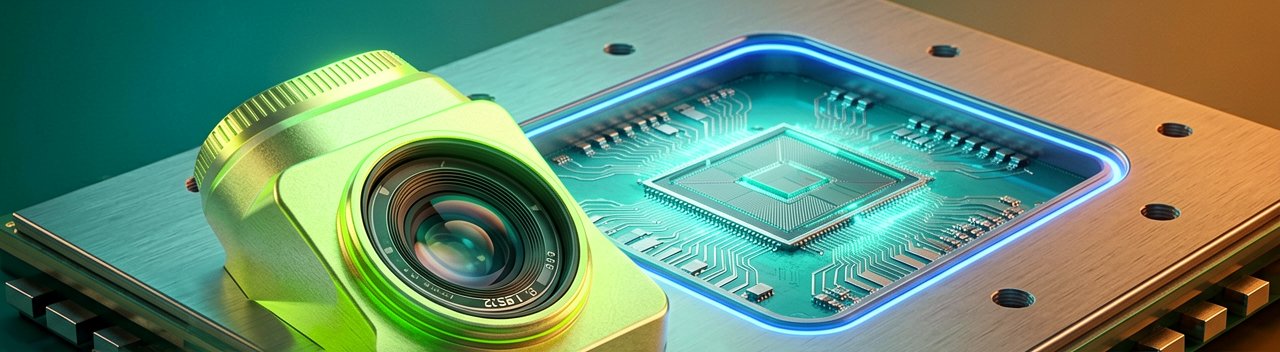
There is also a palpable sense of historical irony in the projected price hike to $1,399. When the tech giant first crossed the thousand-dollar threshold a decade ago, critics predicted a rapid consumer revolt that never materialized; instead, the market adjusted, and premium tiers became the industry's primary growth engine. However, banking on that same inelastic demand in today's economic climate carries unprecedented risk. The promise of a variable aperture camera system sounds revolutionary on a spec sheet, but it faces a steep wall of diminishing returns for the average user who relies heavily on computational photography to fix their framing anyway. Forcing buyers to subsidize heavy mechanical glass elements when software algorithms already simulate bokeh with remarkable accuracy looks less like an essential upgrade and more like engineering for engineering’s sake.
Silicon Gamble and Consumer Fatigue
Furthermore, the strategic decision to tie this price increase to the debut of TSMC’s 2-nanometer architecture ignores the shifting realities of smartphone longevity. Consumers are holding onto their devices longer than ever, often pushing upgrade cycles past the four-year mark because everyday performance has largely plateaued. A faster, more expensive chip is an easy sell to shareholders looking at margin sheets, but it is a much harder pitch to a consumer whose current device already handles multitasking, high-end gaming, and everyday tasks without breaking a sweat. Apple is effectively asking the public to fund a massively expensive hardware foundation for advanced artificial intelligence features that are still largely theoretical or locked behind slow rolling software updates.
Ultimately, this creates a dangerous vacuum at the mid-premium layer of the market, where rivals are eagerly waiting to capitalize on Apple’s upward mobility. While Cupertino chases the stratosphere of device pricing to maintain its legendary margins, competitors utilizing slightly older, heavily optimized chipsets can offer 90% of the practical experience at a fraction of the cost. By elevating the Pro lineup into a luxury tier that rivals the cost of a high-end laptop, the company risks alienating the aspirational buyer who once viewed the flagship iPhone as an accessible piece of premium tech. It is a high-stakes gamble that assumes the allure of the Apple logo can indefinitely outpace the gravity of standard household budgeting.
It seems we have finally reached the pinnacle of modern smartphone wizardry: an era where engineering breakthroughs are measured by how much extra we will eagerly pay to make a tiny black rectangle on our screens slightly smaller, proving that true luxury isn't about what features a device adds, but how expensively it can make its own compromises disappear.
Artūras Malašauskas is an AI Systems Integrator with 20+ years of production-grade web engineering experience. He has designed, shipped, and scaled enterprise Python/PHP systems for logistics, SaaS, and public-sector clients. For the past year, he has focused exclusively on AI integrations: deploying open-source LLMs, building generative media pipelines (image, audio, video), and engineering multi-agent workflows for real production environments. His standard: reproducibility, security, cost-efficient inference—no vaporware. He documents and evaluates emerging AI tooling, separating verified capabilities from marketing noise. Technical editor at: muza-ai.eu, ai-verslas.lt, ai-naujinos.lt Connect on LinkedIn
Comments